













Register

Wx System Structure

Let’s take a step beyond reading the weather maps. We’ll do it together and I’m here to make sure you don’t lose your way.

Gemini Sparkle

Key Takeaways:

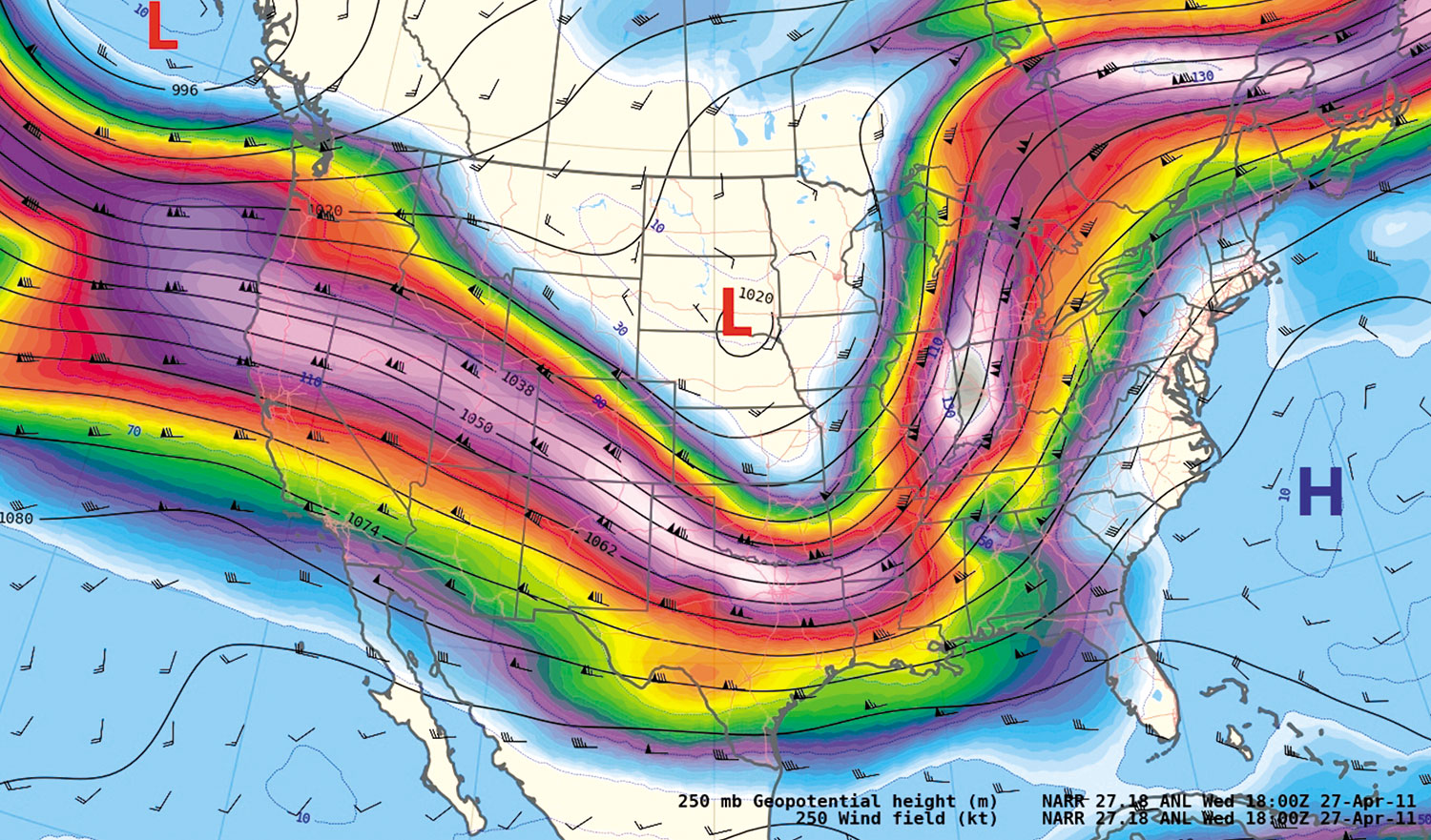
  • Pilots can enhance safety and decision-making by understanding weather patterns beyond basic forecasts, primarily by utilizing surface charts and jet-stream level charts (e.g., 250mb/hPa).
  • Master reading upper-level charts by understanding geopotential heights (linking to high/low pressure, ridging/troughing) and applying Buys Ballot's Law to identify troughs, ridges, and jet streams.
  • Use these insights to anticipate weather: generally, the worst weather is found between a trough and the downstream ridge, while improving conditions are between a trough and the upstream ridge, assisting in estimating surface features and flight planning.
See a mistake? Contact us.

Reading a weather map is typically covered in ground school and maybe even pilot refresher courses. Where are the lows and highs? What do the front markings mean? How is wind related to the isobars? This is all great but you’ve probably asked yourself, “How can I actually see this in more depth, maybe even like the forecasters do?”

You’re in luck. In WX SMARTS my primary goal is to help make you a little more of a weather expert as a pilot, able to make decision on the go. If a standard legal weather briefing is good enough for you, perhaps you’ll have no need for this information. 

Ready to Sell Your Aircraft?

List your airplane on AircraftForSale.com and reach qualified buyers.

List Your Aircraft
AircraftForSale Logo | FLYING Logo
Pilot in aircraft
Sign-up for newsletters & special offers!

Get the latest stories & special offers delivered directly to your inbox.

SUBSCRIBE
