














Why Are Flaps Used in Some Soft-field Takeoffs?

Who said flaps don't increase lift? Flaps do increase lift. Reference Chapter 6 of the Pilot’s Handbook of Aeronautical Knowledge, which states, "Flaps are the most common high-lift devices used on aircraft. These surfaces, which are attached to the trailing edge of the wing, increase both lift and induced drag for any given angle of attack (AOA)."

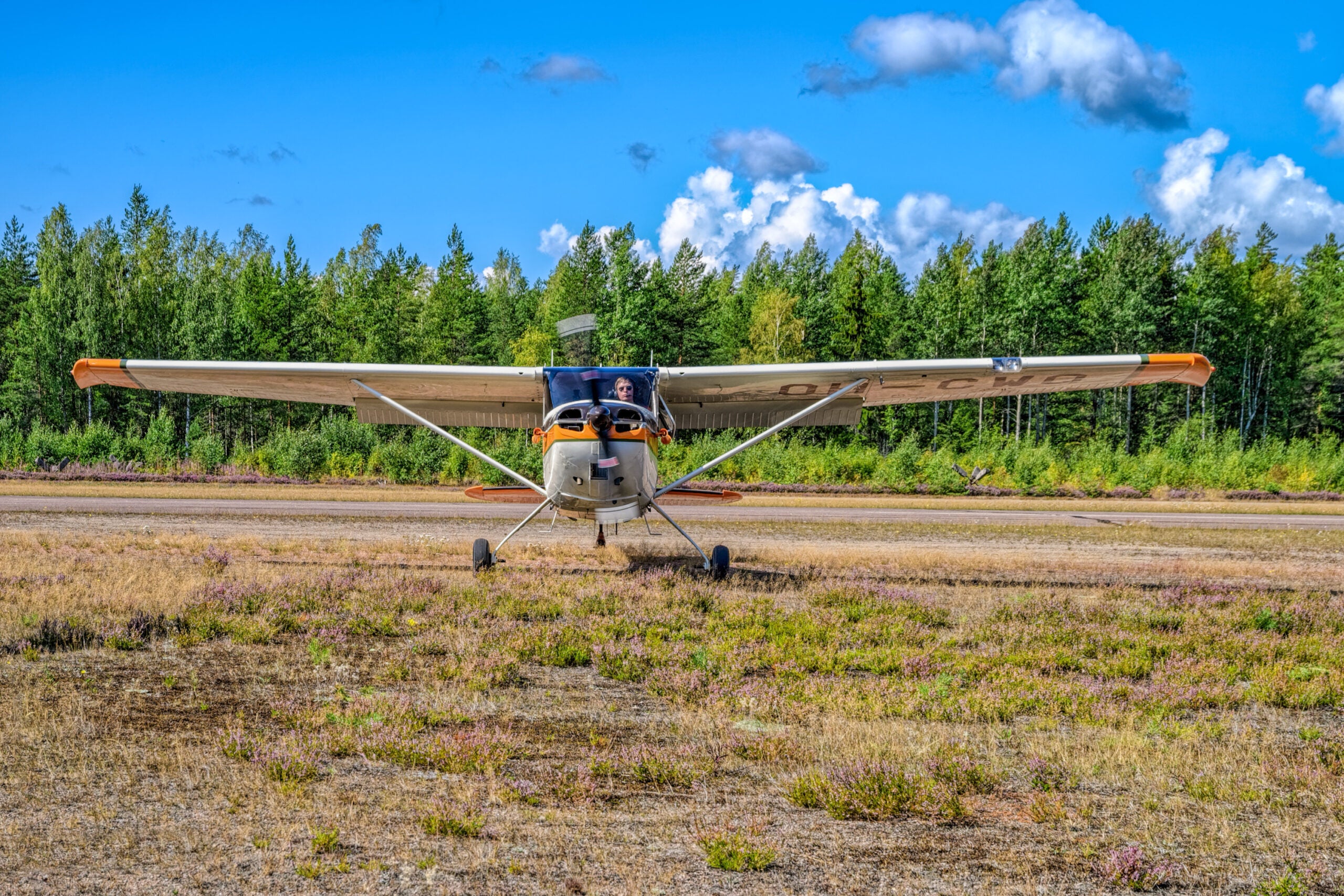
A Cessna 170B with flaps extended.
A Cessna 170B with flaps extended. [Credit: Adobe Stock]
Gemini Sparkle

Key Takeaways:

  • Flaps significantly increase both lift and induced drag, contrary to the misconception that they do not increase lift.
  • In soft-field takeoffs, a small amount of flap is recommended for some aircraft to lower the stall speed, enabling the aircraft to lift off at a lower airspeed.
  • Pilots must always consult the aircraft's Pilot's Operating Handbook (POH) for the correct flap setting, as using excessive flaps increases drag and can severely compromise takeoff performance.
See a mistake? Contact us.

Question: If flaps don’t increase lift, then why is a small amount of flaps used in soft-field takeoffs for some aircraft?

Answer: Who said flaps don’t increase lift? Flaps do increase lift. Reference Chapter 6 of the Pilot’s Handbook of Aeronautical Knowledge, which states, “Flaps are the most common high-lift devices used on aircraft. These surfaces, which are attached to the trailing edge of the wing, increase both lift and induced drag for any given angle of attack (AOA).”


When flaps are deployed, they can lower the stall speed, which is why some aircraft manufacturers recommend the use of a minimal flap setting during a soft-field takeoff. The aircraft is able to lift off at a lower airspeed under positive control, and when the aircraft is off the ground and has enough flying speed the pilot retracts the flaps and continues the climb out at the appropriate V-speed.

Some aircraft do not require the use of flaps for takeoff unless it is a speciality takeoff—like a soft-field departure—and others require some flaps to be used on every takeoff; the amount is spelled out in the pilot’s operating handbook (POH) or aircraft flight manual (AFM).

Too much flap and the drag diminishes the usefulness of the lift—for example, if the POH calls for 10 degrees and the pilot mistakenly inputs 20 degrees, that airplane is going to eat up a lot of runway on the takeoff roll and the pilot may be fighting the elevator to get the airplane into the air—if liftoff happens at all. Before adding power, verify the required flap setting and the aircraft configuration, per the POH.

Meg Godlewski

Meg Godlewski has been an aviation journalist for more than 24 years and a CFI for more than 20 years. If she is not flying or teaching aviation, she is writing about it. Meg is a founding member of the Pilot Proficiency Center at EAA AirVenture and excels at the application of simulation technology to flatten the learning curve. Follow Meg on Twitter @2Lewski.

Ready to Sell Your Aircraft?

List your airplane on AircraftForSale.com and reach qualified buyers.

List Your Aircraft
AircraftForSale Logo | FLYING Logo
Pilot in aircraft
Sign-up for newsletters & special offers!

Get the latest stories & special offers delivered directly to your inbox.

SUBSCRIBE
