














What Is the Meaning of ‘Demonstrated Crosswind Component’?

It’s the maximum velocity of the crosswind component experienced during the aircraft’s certification tests.

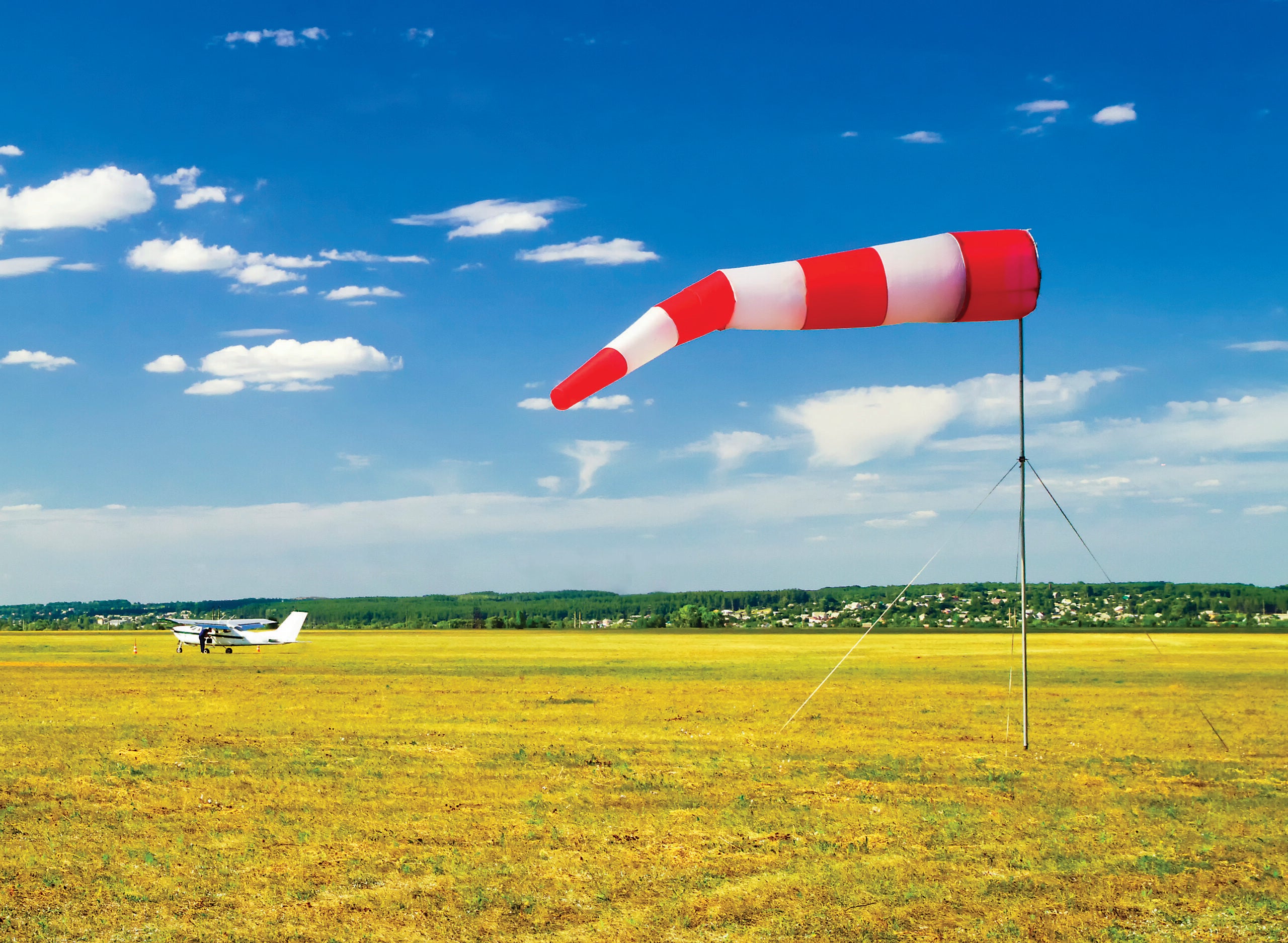
In FAA Advisory Circular 150/5300-13, it is noted that 'generally, the smaller the airplane, the more it is affected by wind, particularly crosswind components. Crosswinds are often a contributing factor in small airplane accidents.' [Adobe Stock]
Gemini Sparkle

Key Takeaways:

  • The "demonstrated crosswind component" signifies the maximum crosswind velocity experienced during certification tests where pilots maintained adequate control, and it is generally not a strict operational limitation.
  • A pilot's actual crosswind operational limit depends on their technique and the aircraft's capability, with the true limitation being when they can no longer maintain directional control ("run out of rudder").
See a mistake? Contact us.

Question: What does the term “demonstrated crosswind component” mean? I just started flight training, and the flight school aircraft have placards that read “maximum demonstrated crosswind velocity 15 knots.” Does that mean I can’t fly when the winds are above 15 knots?

Answer: The demonstrated crosswind component is the maximum velocity of the crosswind component that was experienced during the certification tests, and the pilots were still able to maintain adequate control of the aircraft. Most aircraft that have a placard like that often have an additional line in smaller type that reads “not a limitation.”


The aircraft, depending on pilot technique, could be more. For more information on operating in crosswinds, check out the Airplane Flying Handbook (FAA-H-8083-3A), which lists common errors pilots make during crosswind takeoffs and landings and ways to mitigate them.

If you’re trying to land and you “run out of rudder”—a phrase meaning you can’t keep the airplane lined up in the centerline during landing because the wind is so strong—you’ve just found the limitation. Find a runway that is more aligned with the prevailing wind.


Ask us anything you’ve ever wanted to know about aviation. Our experts in general aviation, flight training, aircraft, avionics, and more may attempt to answer in a future article. Email your questions to editorial@flyingmag.com.

Meg Godlewski

Meg Godlewski has been an aviation journalist for more than 24 years and a CFI for more than 20 years. If she is not flying or teaching aviation, she is writing about it. Meg is a founding member of the Pilot Proficiency Center at EAA AirVenture and excels at the application of simulation technology to flatten the learning curve. Follow Meg on Twitter @2Lewski.

Ready to Sell Your Aircraft?

List your airplane on AircraftForSale.com and reach qualified buyers.

List Your Aircraft
AircraftForSale Logo | FLYING Logo
Pilot in aircraft
Sign-up for newsletters & special offers!

Get the latest stories & special offers delivered directly to your inbox.

SUBSCRIBE
