
Vulcanair Certifies Four-seat High-wing Single
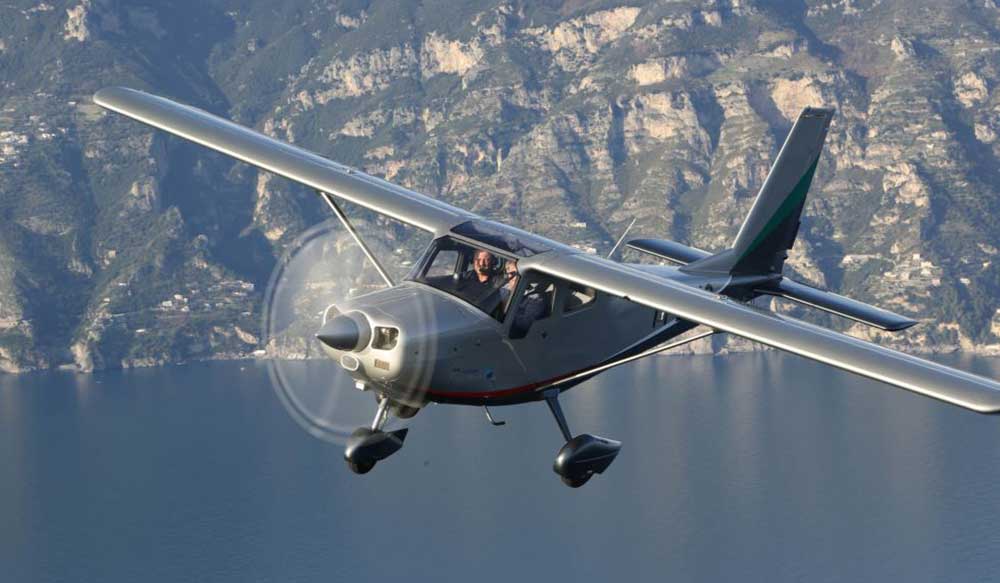
The single engine, four-seat Vulcanair V1.0 features a steel frame and aluminum structure, and is powered by a 180 hp Lycoming IO-360. Vulcanair
Gemini Sparkle

Key Takeaways:

  • The Vulcanair V1.0 is a newly certified, four-seat, high-wing aircraft that revives a classic design, featuring a traditional steel-frame and aluminum structure unlike many modern composite planes.
  • It is powered by a 180 hp Lycoming IO-360 engine, boasts a 130-knot cruise speed, includes modern Garmin G500 avionics and a GTN 650 navigator as standard, and uniquely offers a third door for easier rear access.
  • A key differentiator for the V1.0 is its introductory price of $259,000, positioning it significantly lower than comparable certified light high-wing aircraft from competitors.
See a mistake? Contact us.

The single-engine four-seat Part 23-certified high-wing is back. While the design had been just about forgotten in the modern world of aviation — Cessna introduced its latest version about 50 years ago with the 177 Cardinal — Italian airplane-maker Vulcanair is the second to have recently certified a similarly configured airplane after another Italian manufacturer, Tecnam, got the FAA signatures in 2015 for its P2010.

Unlike the Tecnam, which is a composite airplane, the Vulcanair V1.0 returns to a steel-frame and aluminum structure, which was the standard for decades. The power plant — a 180 hp Lycoming IO-360 — is also well-established. This engine can burn 100LL and alternative fuels. Vulcanair claims a 130-knot cruise speed at 75 percent power for the V1.0. While most light four-seat airplanes have at most two doors, the V1.0 has a third door for safety and easier access to the rear seats. Eighty-eight pounds of luggage can be stored in the separate cargo compartment.

The panel takes the traditional design to the 21st century, with a Garmin G500 PFD/MFD, a touch-screen GTN 650 navigator and a JPI digital engine monitoring system. An angle-of-attack indicator and digital backup instrument — Mid-Continent’s two-screen Standby Attitude Module (SAM) — are included as standard equipment. A fully IFR-capable panel configuration is also available.

What could be revolutionary is the price tag for the V1.0. At an introductory cost of $259,000, the Vulcanair is priced significantly lower than both Tecnam’s and Cessna’s certified light high-wing airplanes. What remains to be seen is whether the company can continue to deliver the airplane at such a price. But Vulcanair is not new to aircraft manufacturing, having been in business since 1996. The first V1.0 delivery is scheduled at the Sun ’n Fun International Fly-In and Expo in Lakeland, Florida, in early April.

More information is available through Ameravia, but look for a full report in an upcoming issue of Flying.

FLYING Staff

FLYING Magazine is a one-stop resource for everything aviation, including news, training, aircraft, gear, careers, photos, videos, and more.

Ready to Sell Your Aircraft?

List your airplane on AircraftForSale.com and reach qualified buyers.

List Your Aircraft
AircraftForSale Logo | FLYING Logo
Pilot in aircraft
Sign-up for newsletters & special offers!

Get the latest stories & special offers delivered directly to your inbox.

SUBSCRIBE