











They seem to come in as many varieties as hotdogs-and with about as many interesting names. You know what I mean: Chicago Style, New York Style, Half-Smoke, Coneys, Hot Links and so forth. Ordering without confessing unfamiliarity with variations in flavors, spices and condiments can prove painful. Its the same with flaps, though the consequences of inadequate knowledge are different. For example, you need to know what kind of flaps youre flying and how theyre used. This knowledge, in turn, enables their management for takeoffs, landings and other operations. Knowledge of your flaps and their peculiarities can be particularly powerful should 288
Understanding Wing Flaps
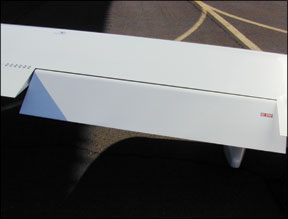
They seem to come in as many varieties as hotdogs-and with about as many interesting names. You know what I mean: Chicago Style, New York Style, Half-Smoke, Coneys, Hot Links and so forth. Ordering without confessing unfamiliarity with variations in flavors, spices and condiments can prove painful. Its the same with flaps, though the consequences of inadequate knowledge are different. For example, you need to know what kind of flaps youre flying and how theyre used. This knowledge, in turn, enables their management for takeoffs, landings and other operations. Knowledge of your flaps and their peculiarities can be particularly powerful should you find yourself in unusual circumstances, and need to maximize their benefits. Lets take a look.

Key Takeaways:
- Understanding an aircraft's specific flap system is crucial for safety and maximizing performance during takeoffs, landings, and low-speed flight operations.
- Flaps primarily increase a wing's lift and drag by altering its camber and effective area, thereby reducing stall speed and allowing for shorter runway requirements.
- General aviation aircraft commonly feature four basic flap designs (plain, split, Fowler, slotted), each employing different mechanisms to achieve these aerodynamic changes with varying effectiveness and complexity.
- Effective flap management requires adhering to speed limitations for extension/retraction, understanding their impact on aircraft pitch and climb performance, and knowing how to utilize them strategically for both standard and non-standard flight scenarios.
Key takeaways sponsored by Aviator Pro | Start Your Training ->
See a mistake? Contact us.

