











Many myths persist about the capability of airplanes to fly in ice, appearing to support techniques for ice avoidance or landing an ice-laden airplane that make ice accumulation acceptable. “Speed saves.” “More power is better than ice protection.” “Known icing certification makes flying in ice safe.” Like any myth these are rooted in truth, but they are not necessarily true themselves. With apologies to the Discovery 288
Top Three Aircraft Icing Myths Busted
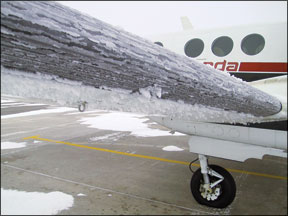
Many myths persist about the capability of airplanes to fly in ice, appearing to support techniques for ice avoidance or landing an ice-laden airplane that make ice accumulation acceptable. "Speed saves." "More power is better than ice protection." "Known icing certification makes flying in ice safe." Like any myth these are rooted in truth, but they are not necessarily true themselves. With apologies to the Discovery Channel I present these icing myths, busted. Heres our first in-flight icing myth: "Keep your speed up and you can land with a load of ice." Landing an ice-laden airplane can be tricky, even with clear approaches to the longest runway around. Performing a tight, circling approach at night in low visibility? We dont even want to think about it.

Key Takeaways:
- The article debunks common myths regarding safe flight in icing conditions, illustrating that strategies like maintaining speed ("speed saves") or applying more power ("more power is better") are unreliable due to adverse effects on control authority, visibility, and engine performance.
- Even aircraft certified for "known ice" conditions are not entirely safe, as certification standards have limitations (e.g., excluding supercooled large droplets) and ice can still severely compromise a pilot's visibility.
- Ultimately, pilots must prioritize avoiding ice and having a pre-planned escape route to ice-free air, as relying on these myths or expecting aircraft capabilities to overcome significant ice accumulation during critical flight phases is a dangerous strategy.
Key takeaways sponsored by Aviator Pro | Start Your Training ->
See a mistake? Contact us.

