




Each day, the team at Aircraft For Sale picks an airplane that catches our attention because it is unique, represents a good deal, or has other interesting qualities. You can read Aircraft For Sale: Today’s Top Pick at FLYINGMag.com daily.
Today’s Top Pick is a 1984 Piper PA-60-700P Aerostar.
Pilots opt into light piston twins for a range of reasons. The common thread is that they all want more of something, such as climb performance, load-carrying capacity, or safety through redundancy. But let’s be completely clear—the big attraction is raw speed.
Not all twins are especially fast. Indeed, high-performance singles often make a better case for rapid, time-saving travel while utilitarian twins like the Piper PA-23 Aztec and Beechcraft Travel Air focus more on other advantages of having two engines. For many buyers, though, the best argument for a light twin is expressed in knots.
When we talk about fast twins, the Cessna 310 and Beechcraft Baron typically start the conversation. These longtime rivals are fast enough for many pilots, and souped-up versions, such as the Jack Riley-modified Rocket and Turbostream 310s, offered big performance increases.
But for aviators bent on getting the most out of a pair of piston engines, the Aerostar is the answer.
Designed by engineering whiz Ted Smith, who also brought us the Aero Commander light twins and A-20 Havoc and A-26 Invader bombers of World War II, the Aerostar was built for speed from the beginning and only got faster with time—and horsepower. The model evolved from naturally aspirated, unpressurized beginnings through a number of high-flying, turbocharged, and pressurized versions.
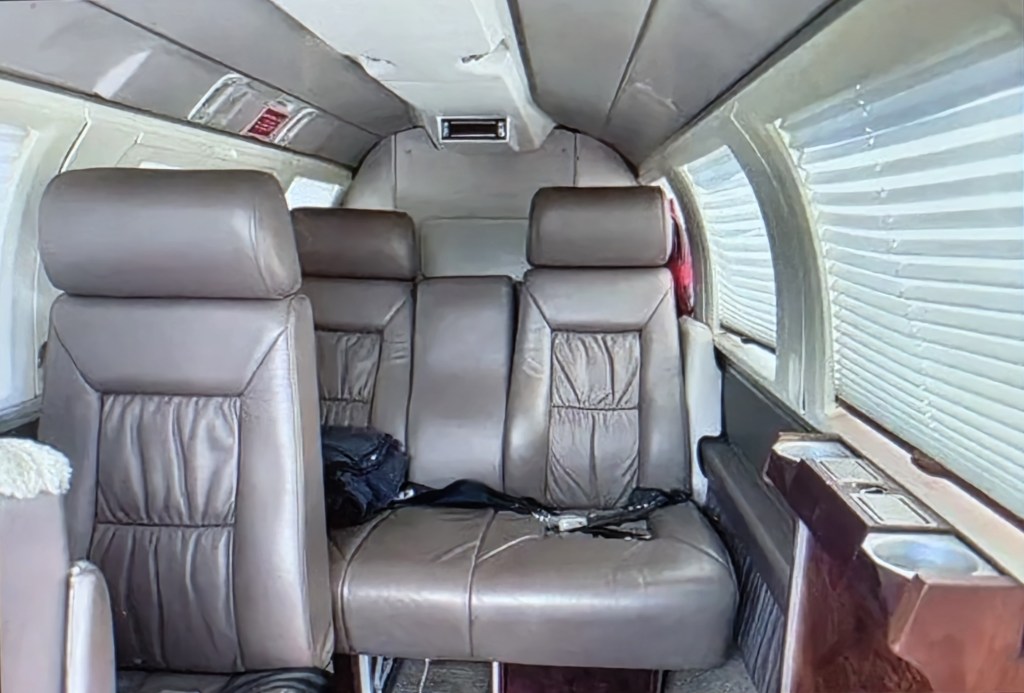
The aircraft for sale today is among the latest Aerostars, built during the last year of production after Piper acquired the design. Many consider it the ultimate iteration of this desirable machine. With seven seats and many upgrades to the cockpit and cabin, it would make a fantastic family and business transport.
This 1984 Aerostar has 3,249 hours on the airframe, 892 hours since top overhaul, 1,766 hours since new on its 350 hp, counter-rotating Lycoming TIO-540-U2A engines, and 98 hours since overhaul on its four-blade, composite MT propellers.
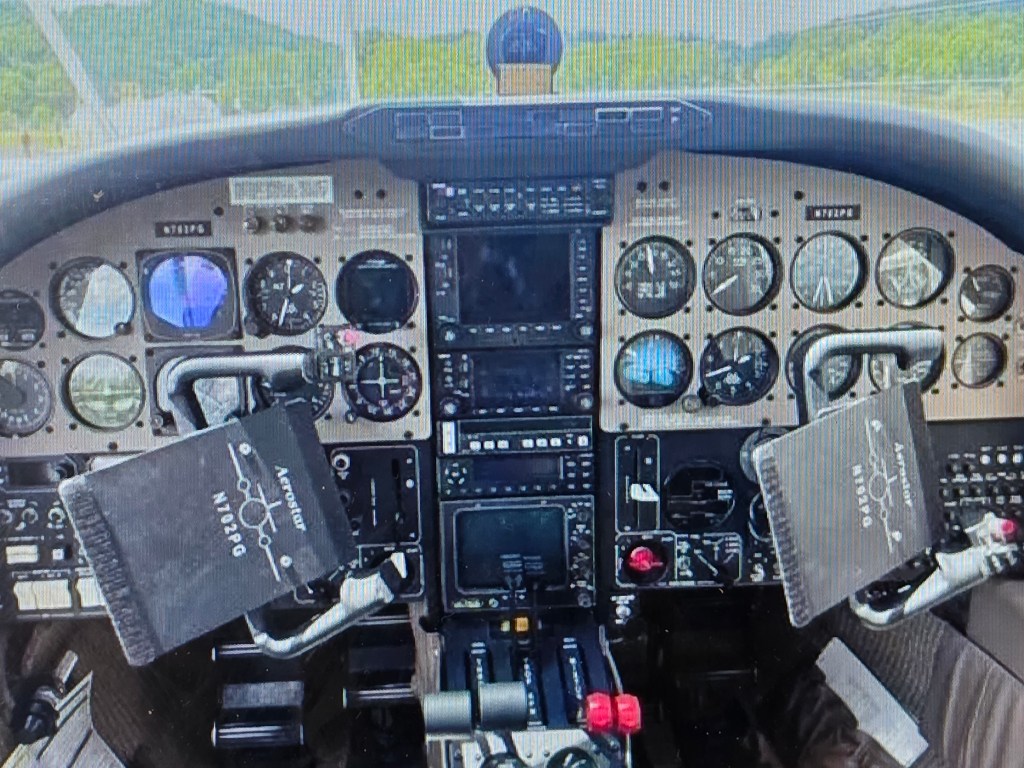
The panel includes Garmin GNS 530 and GNS 430 WAAS GPS/nav/coms, GDL 69A, remote datalink receiver, GMA 347 audio panel, GTX 345 with ADS-B In and Out, King DME, Bendix KWX 56 weather radar, King KFC 150 autopilot, Hoskins CFS 2000A digital fuel monitoring system, and Gemini 1200 dual engine monitor.
Additional equipment includes full ice protection, air conditioning, engine synchrophaser, enhanced cabin air ducts, and heavy-duty brakes.
Pilots who want to cover more ground in significantly less time during cross-country trips, and those who have always believed that doubling the number of engines on an airplane should also double its cruising speed, should take a serious look at this 1984 Piper PA-60-700P Aerostar, which is available for $387,000 on AircraftForSale.
If you’re interested in financing, you can do so with FLYING Finance. Use our airplane loan calculator to calculate your estimated monthly payments. Or, to speak with an aviation finance specialist, visit flyingfinance.com.
- FLYING Magazine: Aerostar 702P
- FLYING Magazine: Aerostar Jet Is Flying
- FLYING Magazine: Piper Aerostars in Flight
- Plane + Pilot: The Hot Rod: Ted Smith’s Aerostar
- Plane + Pilot: Piper Aerostar 600/601/700P
- The Aviation Consumer: Piper/Ted Smith Aerostar
- The Aviation Consumer: Used Aircraft Guide: Aerostar
- AVweb: Refurb of the Month: Jefferson City Flying Service’s Aerostar 700P