











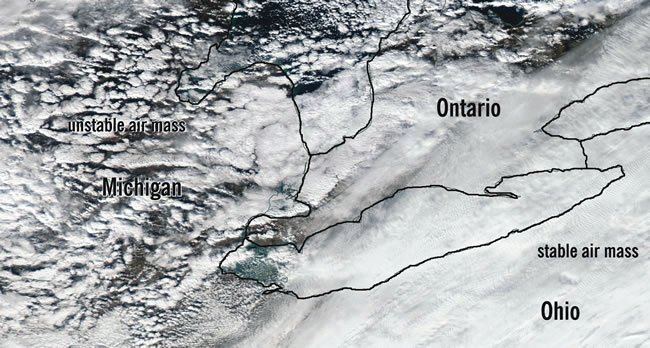


From a weather perspective, what makes a flight a no-go? Sometimes it’s a simple glance at a stormy sky, an icing SIGMET, or winter weather warnings on the TV. But more often it’s the TAF that calls the shots. Whether it’s freezing rain, low ceilings, or a gusty crosswind, the buck stops with the TAF. That report comes straight from a highly qualified aviation forecaster at a local National Weather Service office and represents the best available predictions.
But what if you’re contemplating a bit of flying this weekend? Accurate weather maps for days out are available, but there’s no such thing as a three-day TAF. There’s nothing out there to tell you for sure whether ceiling and visibility will cooperate, and model forecasts of those exact values are erratic and don’t tell much about the big picture. This is where it helps to be able to think like a forecaster and root out those processes that are responsible for low ceilings and visibility. Not only can this help your general flight planning skills, but you can also use your knowledge to cross-check each TAF you see and look for factors that might throw an unexpected diversion your way.

