











Despite the hard work from every segment of aviation, we have to reluctantly admit that there are still unforeseeable factors that can lead to incidents and accidents. From TWA Flight 800 to Air France 447, seemingly standard missions can be hit by disaster, with flight crews left unable to respond adequately, if at all. Through the efforts of the National Transportation Safety Board (and other investigative organizations), the FAA and the industry, these accidents are getting far less common as we create new guidelines to help us steer clear of disaster.
Avoiding Turbulence

Key Takeaways:
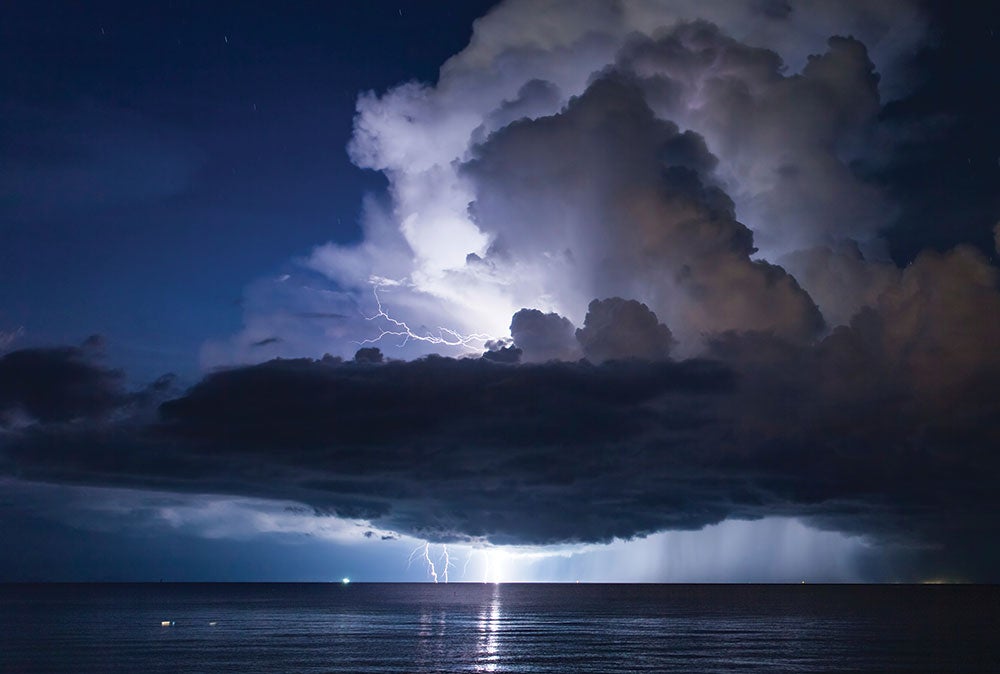
- Turbulence incidents from rapidly growing thunderstorms are increasing, largely due to inadequate pilot training in convective meteorology and improper airborne radar use, leading to avoidable injuries.
- For radar-equipped aircraft, pilots must adjust radar tilt to scan higher and detect rapidly developing storm tops and their associated clear-air turbulence, then circumnavigate all echoes detected within at least 30 nautical miles.
- For aircraft relying on Nexrad, pilots should be aware of data latency and proactively assess atmospheric instability using NOAA's CCFP and at least 10 meteorological indicators to identify potentially dangerous, fast-growing "supercell" storms.
Key takeaways sponsored by Aviator Pro | Start Your Training ->
See a mistake? Contact us.

