













Ground Courtesy

Gemini Sparkle

Key Takeaways:

  • Pilots must always be mindful of the area behind their aircraft, even without rearview mirrors, due to the potential hazards of propeller or jet blast.
  • Engine blast can propel debris, causing damage to other aircraft or vehicles, and posing a risk of injury to people in the line of fire.
  • To prevent damage and injury, aircraft should be started in clear areas, and pilots must carefully manage power when taxiing, particularly during turns or when pulling into parking spots at FBOs.
See a mistake? Contact us.

Most airplanes don’t have rear view mirrors. But that doesn’t mean that you should forget what’s behind you. It’s always worth taking a second to consider where the rear of the airplane is pointed. This applies not only when the propeller is spinning and the airplane is static, but also when you’re taxiing around the airport.

It is not uncommon for small pebbles and debris to find their way to the tarmac. This debris is light enough that it can be picked up by the airflow created by engines, particularly if the power is high, but it’s heavy enough that it can damage the paint or even put dings in the fuselage of an airplane or the exterior of a car. And if the blast is strong enough, the flying fragments could injure people who are in the line of fire.

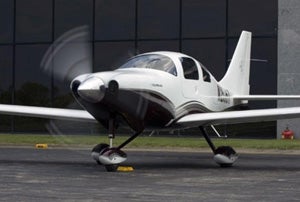
So before you start up your airplane, look at what is parked behind it. If there are other airplanes or cars there, you should pull the airplane out into the middle of the taxiway before starting it.

As you’re taxiing around the airport, pay attention to how much power you’re using during turns. If there is anything in the corner that could be damaged, apply a little extra power before the turn, then reduce the power and use your momentum to roll through. You should also use this technique the end of your flight, when you pull in to an FBO or into your parking spot, since there are generally airplanes, cars and people in those areas. While walking along the tarmac at an FBO, I once had my sunglasses ripped right off my face by the jet blast from an inconsiderate pilot.

Pia Bergqvist

Pia Bergqvist joined FLYING in December 2010. A passionate aviator, Pia started flying in 1999 and quickly obtained her single- and multi-engine commercial, instrument and instructor ratings. After a decade of working in general aviation, Pia has accumulated almost 3,000 hours of flight time in nearly 40 different types of aircraft.

Ready to Sell Your Aircraft?

List your airplane on AircraftForSale.com and reach qualified buyers.

List Your Aircraft
AircraftForSale Logo | FLYING Logo
Pilot in aircraft
Sign-up for newsletters & special offers!

Get the latest stories & special offers delivered directly to your inbox.

SUBSCRIBE
