









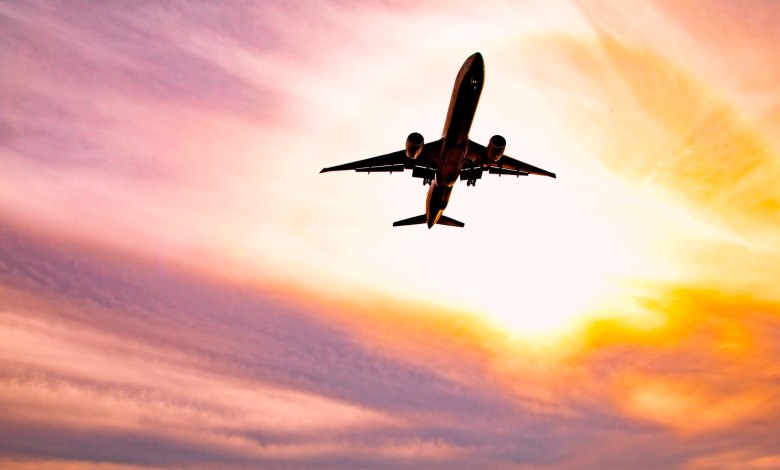
Report: FAA, Airlines Must Do More to Protect Crews From Radiation
Doses are low on individual flights, but additional research is needed to understand health impacts from exposure.


Doses are low on individual flights, but additional research is needed to understand health impacts from exposure.
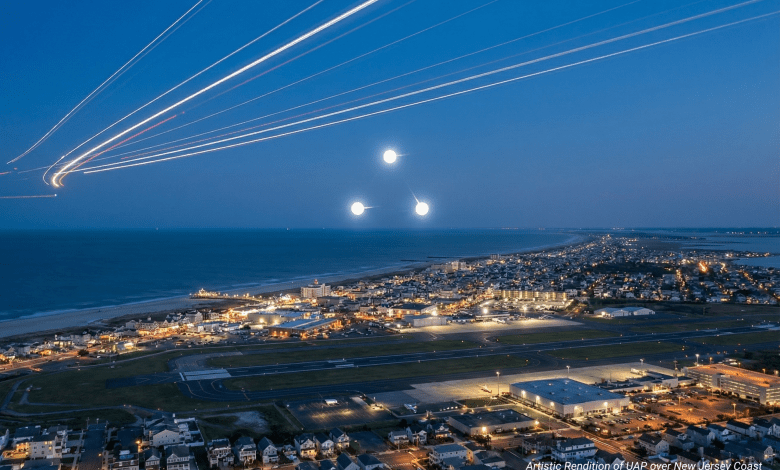
New Jersey Governor Phil Murphy signs a bill that allocates $2.5 million for university-based research of unidentified aerial phenomena.
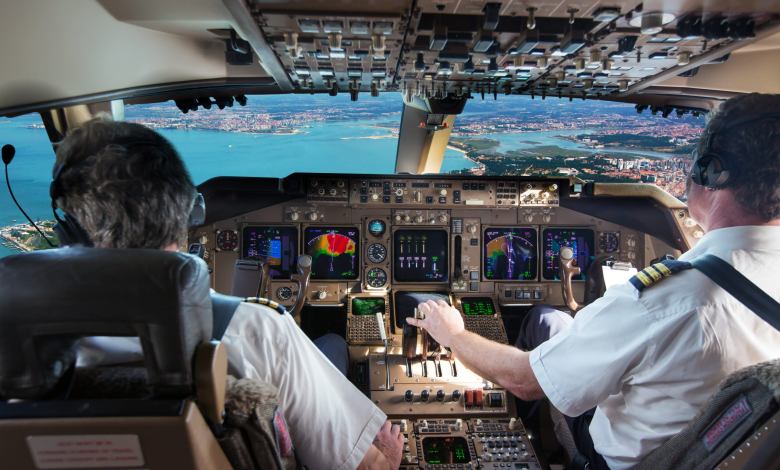
New studies and technology needed for concept to move forward.
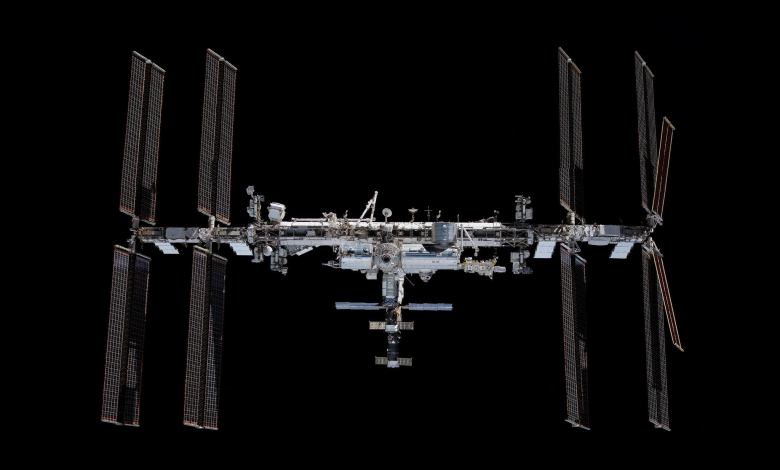
Company is developing a commercial replacement for the ISS, which is planned to be retired at the end of the decade.
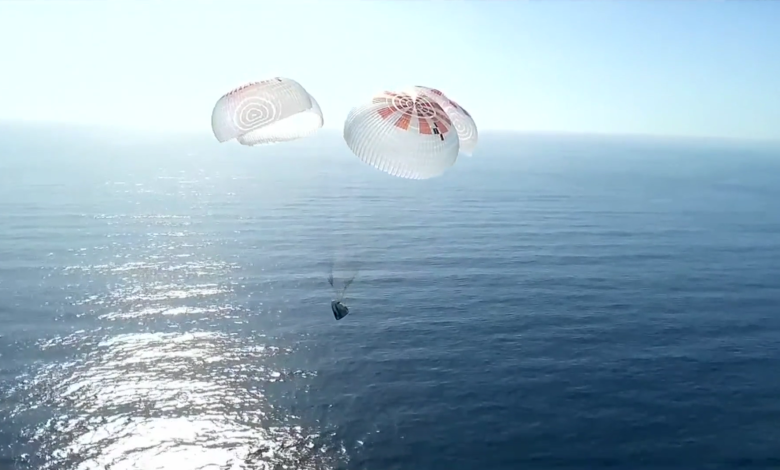
International four-person crew returns after nearly four days flying a 90-degree polar orbit and observing Earth’s poles from orbit for the first time.
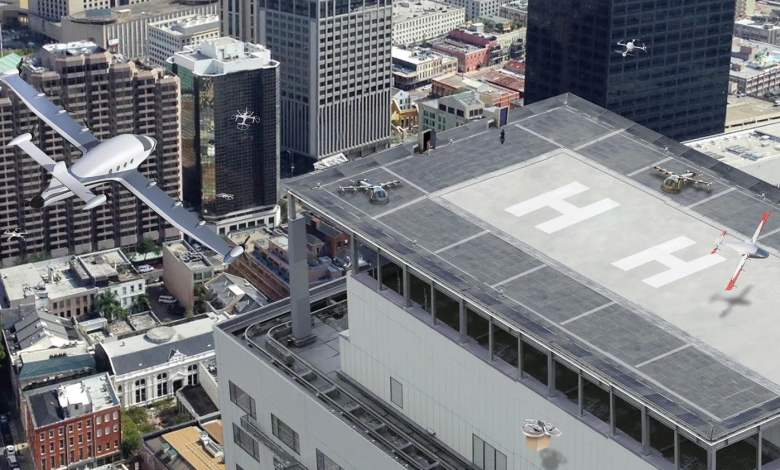
Florida Institute of Technology, University of Colorado at Boulder, and Embry-Riddle Aeronautical University will lead efforts to study autonomous systems.
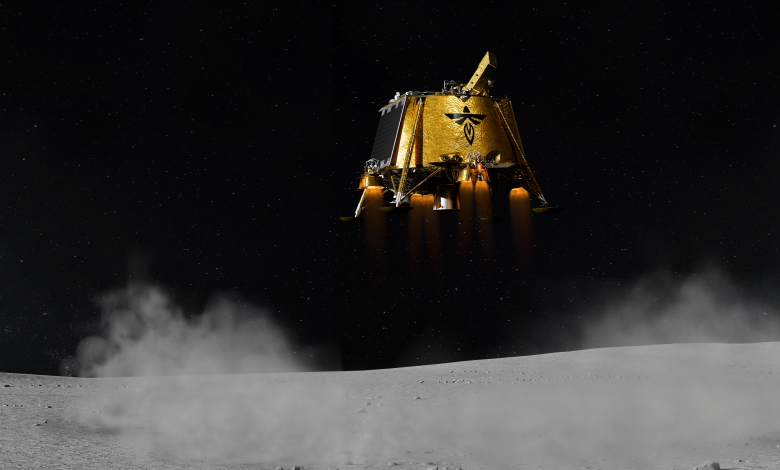
Firefly Aerospace’s lunar lander will deliver a suite of NASA science equipment to the moon’s Mare Crisium basin.
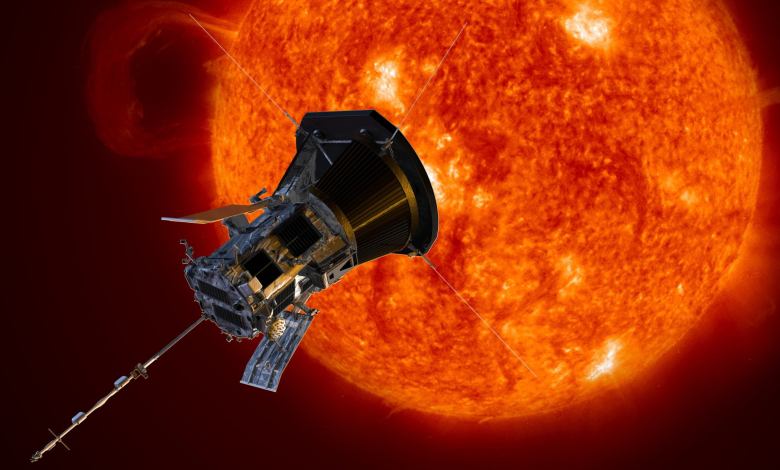
Santa’s sleigh is powerful, but the space agency’s Parker spacecraft can withstand the sun’s blazing heat.
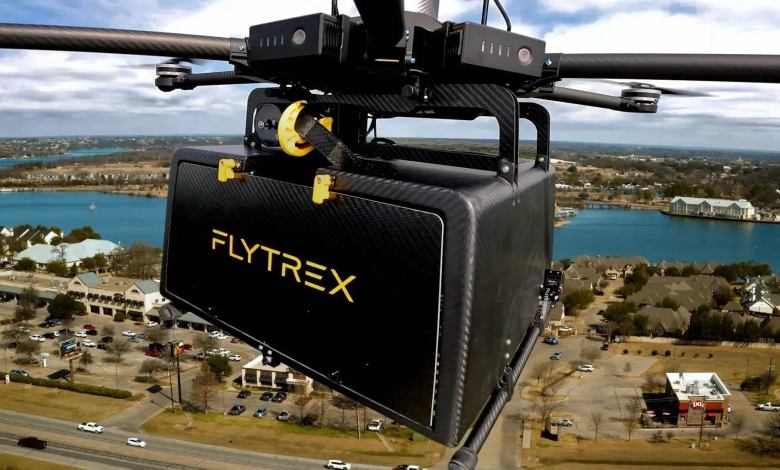
State’s department of transportation creates a coalition of research universities to study a fast-approaching new generation of aircraft.
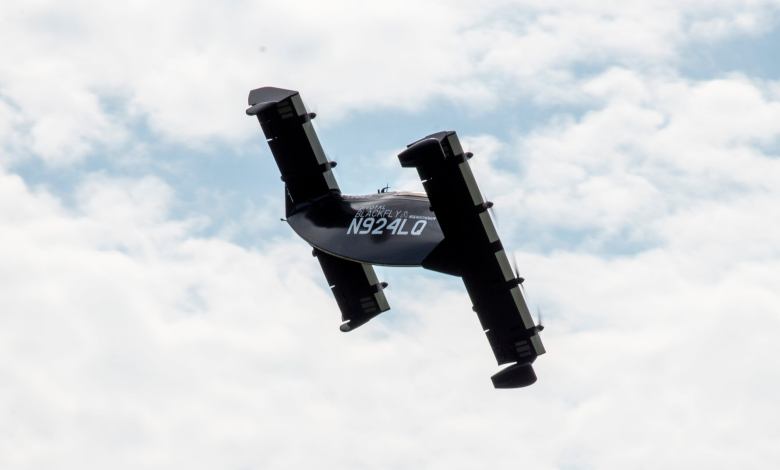
Researchers with the Rand Corporation find that the Air Force’s Agility Prime program is not delivering results for itself or its partners.

Get the latest stories & special offers delivered directly to your inbox.
SUBSCRIBE