











In March, 1933, Malcolm C. Harrison wrote in An Unusual Texas Duststorm, “Pilots were experiencing the same condition over North and Central Texas, all groping about more or less blindly, flying by instruments in a sea of white dust, with the stars dimly shining above and the ground stations reporting visibilities which seemed to belie the conditions aloft. One veteran pilot was plainly baffled by this mysterious element, which he had failed to recognize as dust due to its white color.”
Spring Dust Storms

Key Takeaways:
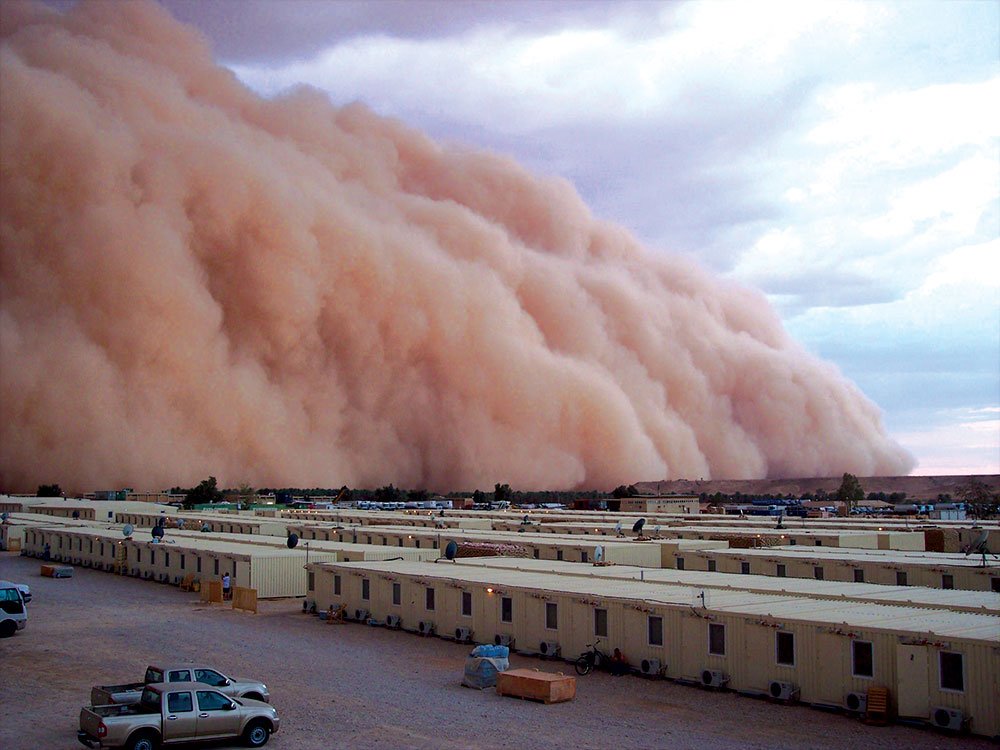
- Duststorms pose significant aviation hazards by severely reducing visibility, causing strong wind shear, and damaging aircraft systems, particularly turbine engines where ingested dust forms abrasive, glass-like coatings.
- These events can be localized and intense (thunderstorm-driven, similar to microbursts) or widespread (synoptically-driven by large-scale winds over dry, loose soil), with smaller dust particles traveling further and remaining aloft longer.
- Pilots must prioritize situational awareness, including drought conditions and potential weather, utilize pre-flight briefings, monitor in-flight weather continuously, and be prepared to fly IFR or divert to mitigate risks and minimize aircraft wear.
Key takeaways sponsored by Aviator Pro | Start Your Training ->
See a mistake? Contact us.

