













Register

Short-And Soft-Field Landings

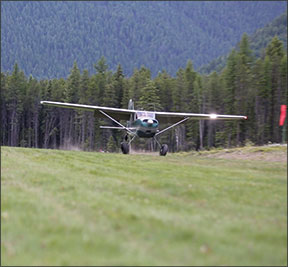
Obstructions, sand, mud, wandering animals and other surprises like the end of the runway rushing up to meet you...these are just some of the hazards common to short and soft fields. We all think we’re trained for them, but there’s a big difference between training and reality. I’m not knocking what CFIs teach or what’s required on the practical tests, but what you learned in your training may be insufficient to prepare you for the real thing.

Gemini Sparkle

Key Takeaways:

  • Short and soft field operations are more complex than basic training, with "short" being a relative term based on aircraft, field conditions, and surrounding obstacles.
  • Effective short-field landings require firm touchdowns for immediate braking, while soft-field operations demand careful power application to prevent sinking and maintain control.
  • Practicing these techniques is high-risk, operating at the edge of the controllable envelope, and demands deliberate, careful progression to build proficiency.
  • Many general aviation aircraft are "gutless," meaning pilots must prioritize their longer takeoff and obstacle clearance requirements when considering landing on a short or soft field.
See a mistake? Contact us.

Obstructions, sand, mud, wandering animals and other surprises like the end of the runway rushing up to meet you…these are just some of the hazards common to short and soft fields. We all think we’re trained for them, but there’s a big difference between training and reality. I’m not knocking what CFIs teach or what’s required on the practical tests, but what you learned in your training may be insufficient to prepare you for the real thing.

288


Ready to Sell Your Aircraft?

List your airplane on AircraftForSale.com and reach qualified buyers.

List Your Aircraft
AircraftForSale Logo | FLYING Logo
Pilot in aircraft
Sign-up for newsletters & special offers!

Get the latest stories & special offers delivered directly to your inbox.

SUBSCRIBE