













Register

Self-Service

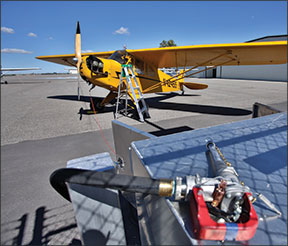
It hasn’t been that long ago that self-serve aircraft fueling didn’t exist. Many currently involved in the industry got their start as relatively unskilled labor running fixed pumps, driving tanker trucks and climbing ladders to pump aviation fuel. Simple economics dictated the end of full-service fuel dispensing at many airports, replaced with self-serve facilities. The good news with self-fueling is it’s usually cheaper than full-service. But it doesn’t come without a price.

Gemini Sparkle

Key Takeaways:

  • Aircraft fuels like avgas are highly volatile, toxic, and their vapors are extremely flammable and heavier than air, demanding serious caution during fueling operations.
  • Before fueling, locate emergency equipment, power down aircraft electronics, and critically, bond the aircraft to the pump and maintain nozzle contact to prevent hazardous static discharge.
  • During fueling, be mindful of escaping vapors (avoid inhalation, keep ignition sources 50 feet away), fill slowly to prevent spills, and leave room for fuel expansion.
  • After fueling, meticulously ensure fuel caps are properly secured and their O-rings are in good condition to prevent dangerous fuel loss or fire.
See a mistake? Contact us.

It hasn’t been that long ago that self-serve aircraft fueling didn’t exist. Many currently involved in the industry got their start as relatively unskilled labor running fixed pumps, driving tanker trucks and climbing ladders to pump aviation fuel. Simple economics dictated the end of full-service fuel dispensing at many airports, replaced with self-serve facilities. The good news with self-fueling is it’s usually cheaper than full-service. But it doesn’t come without a price.

288


Ready to Sell Your Aircraft?

List your airplane on AircraftForSale.com and reach qualified buyers.

List Your Aircraft
AircraftForSale Logo | FLYING Logo
Pilot in aircraft
Sign-up for newsletters & special offers!

Get the latest stories & special offers delivered directly to your inbox.

SUBSCRIBE