Register

Search Results for: wright

Pilot Proficiency

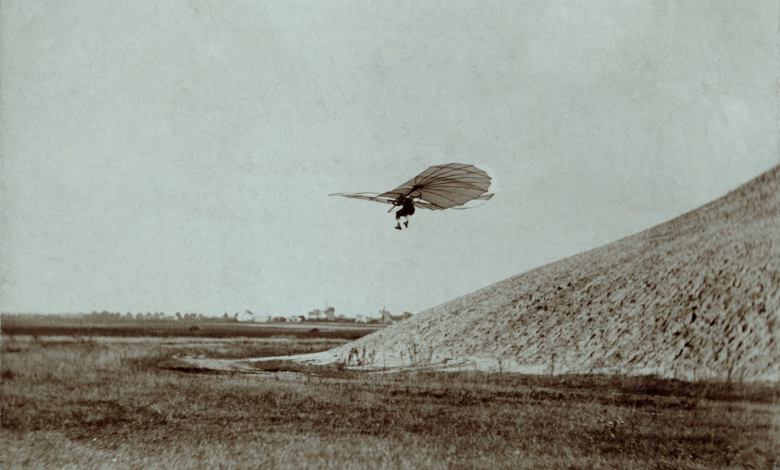
How the Stork Inspired Human Flight

The migratory white stork has been a welcome visitor to Europe for centuries. It seems to display a peculiar affinity for human beings, building its huge stick nests on their rooftops and chimneys, foraging in their fields, and playing starring roles in their myths and legends. It eats mice and rats, is thought to bring […]

Read More »
Accident Probes

50 Years a Pilot

As I write this, Im looking at my Wright Brothers Master Pilot Award sitting near the window sill. Its the most prestigious award the FAA issues to pilots, according to the agency, and eligibility for it requires a minimum of 50 years to elapse since a pilots first solo flight. I originally dismissed this award as an overblown creation of the FAA or, worse, an old geezers award for longevity. I finally decided it would be a great bookend for a lifetime of flying, or a beginning of the next chapter. For those of you out there with 50 continuous years of flying without accident, incident or violation-or if you know someone who meets the minimum requirements-you can find details of the award and how to apply on the FAA website.


Read More »
News

Win a Free Trip for Two to Oshkosh 2017

Pilots can still register for Jeppesen and AOPA’s Captain Jepp Challenge for a chance to sharpen their aviation knowledge and enter to win a free trip to EAA Airventure 2017. By attending free in-person or online educational courses, forums and seminars, participants earn points for prize drawings, including $250 MyGoFlight gift cards and the grand […]

Read More »
News

8 Reasons You Don’t Want to Miss AirVenture 2016

We’re just 24 days from the start of EAA AirVenture in Oshkosh, Wisconsin, and the excitement is building to sky-high levels. We all know why Oshkosh is so great, of course: The planes, the people and the electric atmosphere make it the highlight of any GA pilot’s year, with enough memories to last a lifetime. […]

Read More »
Features

As Safe As The Airlines?

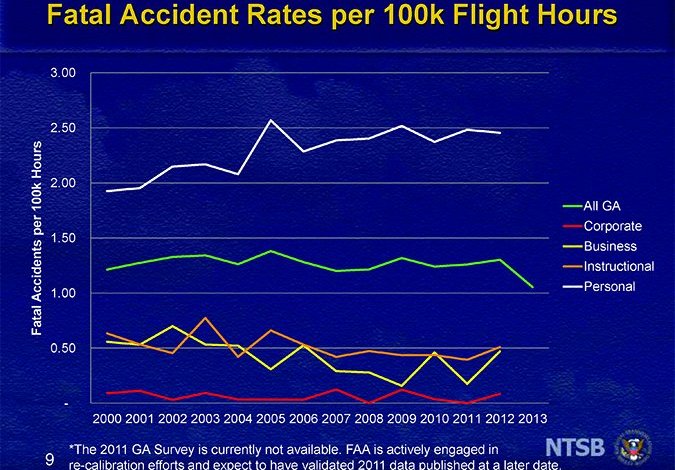
Scheduled passenger airlines in the U.S. have achieved an incredible level of safety. Domestic passenger operations under FAR Part 121 have achieved an unheard-of record: a near-zero fatality rate since 2010. Most of us presume general aviation operations under Part 91 never can approach this level of safety without draconian over-regulation. And most of us may be correct. It was never about the regulations, of course.

Read More »
Features

3 Ways to Lose Control of An Airplane

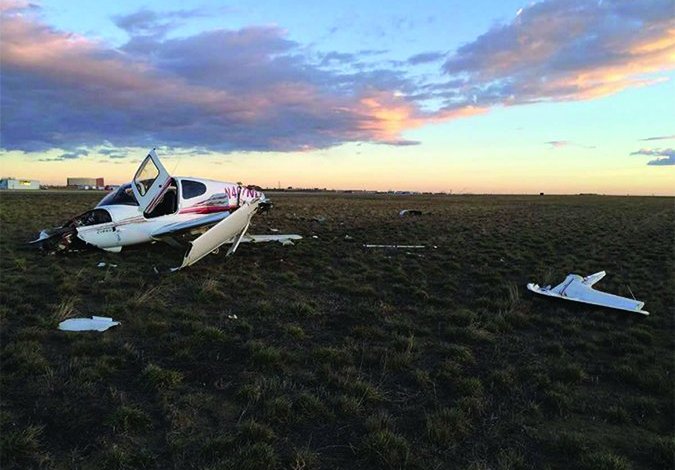
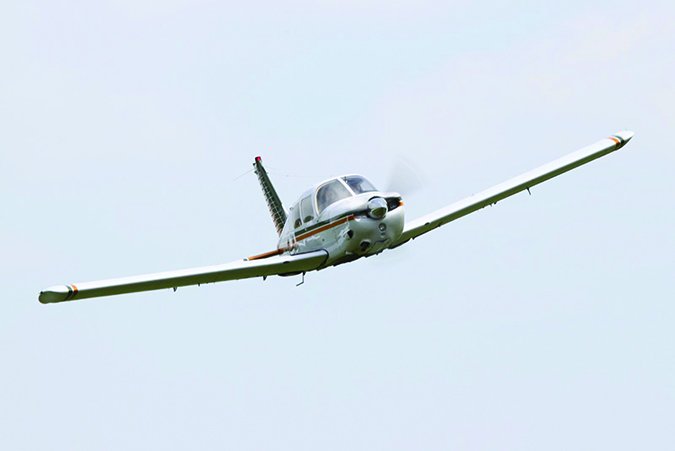
Weve always had stall/spin accidents. Today, refinements in data collection and analysis, plus improved aviation-accident taxonomy, have led the industry to adopt the loss of control in-flight, or LOC-I, nomenclature. Whatever its name, ICAOs Common Taxonomy Team calls it …an extreme manifestation of a deviation from intended flight path. It leads the statistics for business, instructional and personal flying as the single most-prevalent cause of general aviation accidents.

Read More »
News

Solar Impulse Nearly Across Entire United States

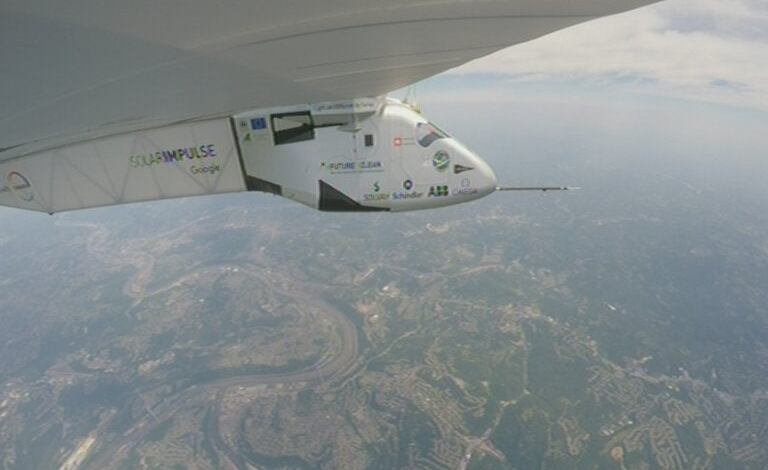
Solar Impulse is making quick work of the U.S. portion of its round-the-world flight, having flown from Tulsa, Oklahoma, to Dayton, Ohio, to Lehigh Valley, Pennsylvania, in just four days. The Solar Impulse team had previously stated it wanted to make its way through Tornado Alley as quickly as possible to avoid any weather-related incidents. […]

Read More »
Features

Turn Fundamentals

Arguably the most challenging of all the Wright Brothers multiple successes involved mastering roll control. Pitch and yaw came relatively easy, but absent the ability to command a roll for a coordinated turn, aviation could go nowhere-at least nowhere near the intended heading. Their solution-wing warping-allowed for affirmative roll control and completed their mastery over all three axes.

Read More »
Features

High-Risk Flights

General aviation pilots all too often routinely undertake flights in the face of obvious or hidden hazards. In too many cases, such pilots come to grief because they ignored obvious risks or failed to identify, assess and mitigate subtle risks. The key to addressing these hazards is to do a proper risk assessment, mitigate these risks and then decide whether youre ready to accept the remaining risk.

Read More »
Pilot in aircraft
Sign-up for newsletters & special offers!

Get the latest stories & special offers delivered directly to your inbox.

SUBSCRIBE