









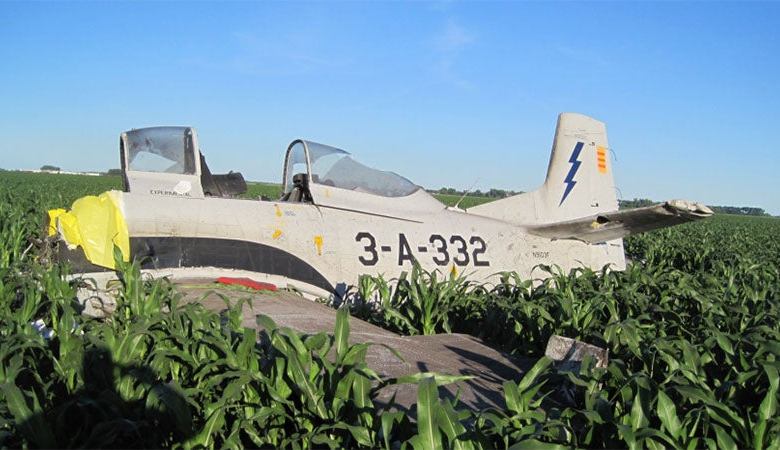
Only Questions Remain from a T-28A Trojan’s Final Flight
Examining the aftermath of a mysterious, fatal crash of a 1950s Air Force trainer.


Examining the aftermath of a mysterious, fatal crash of a 1950s Air Force trainer.
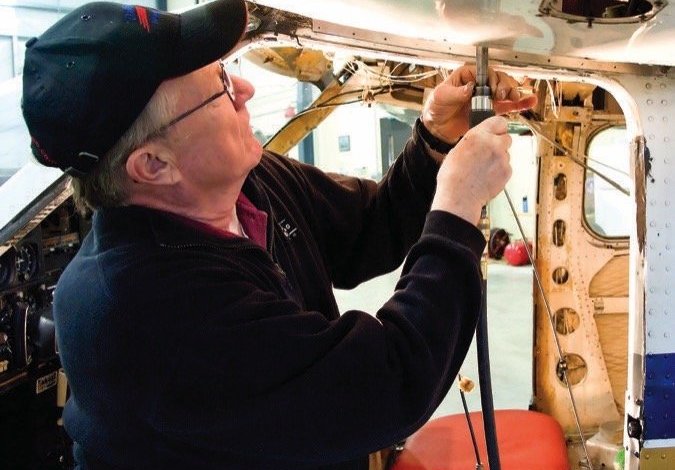
Theres an opinion among some pilots and mechanics that inspections and scheduled maintenance can do more harm than good. By constantly disassembling and reassembling an aircraft to inspect it, they argue, were prematurely wearing out the aircraft and actually making it less safe. Those same pilots and mechanics note that this is largely true, in their opinion, for aircraft that arent flown very much. For more active aircraft, however, they acknowledge that regular inspections and maintenance are less intrusive and, in fact, beneficial.
Recent, similar efforts involving the FAA and the GA community are picking up in tempo. Youve already seen some of the institutional changes: relaxed certification standards for installing advisory angle-of-attack indicators and the new rash of all-electronic attitude indicators, among others, which are designed to help minimize the classic loss-of-control inflight accident. These and other outcomes may be producing tangible results, but its too early to be sure. Regardless, by using a data-driven approach and producing specific safety enhancements, these efforts are creating some useful outcomes for GA pilots. The way this came to be is an example of why you never want to see sausage made.

Late in 1932, the newborn Beech Aircraft Co. flew its first product, a five-seat biplane with a 420 hp radial engine and fixed landing gear enclosed in huge fairings. Walter Beech gave it model number 17, since the last model built by the Travel Air company, which he had founded in 1925 with an all-star […]

An acquaintance named Mark Burton recently sent me a copy of his book about an airport owned and operated by his family called Brownie’s. A few days later, I met a guy at a party who regaled me (unsolicited) with wild and woolly tales about flying out of a now defunct airport called Brownie’s with […]
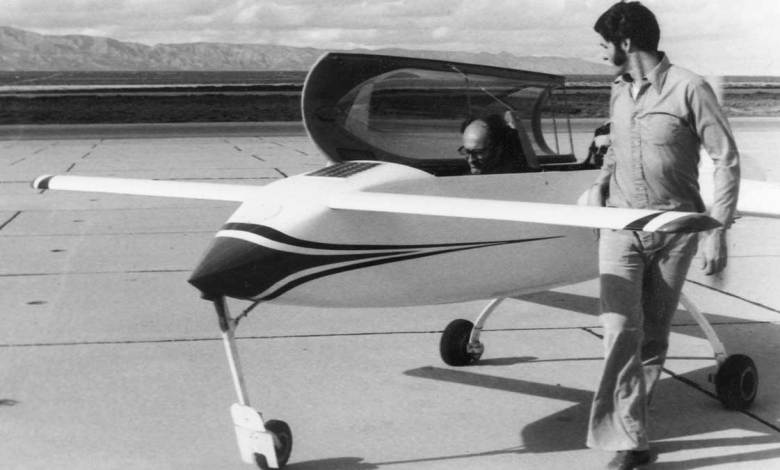
Canard airplanes were the rage in the 1970s. The VariEze took the homebuilding world — which Jim Bede’s BD-5 had recently taken by storm — by storm. Storms were frequent those days; it was also in the 1970s that T-tails took general aviation by storm and popped up in a lot of places they had […]
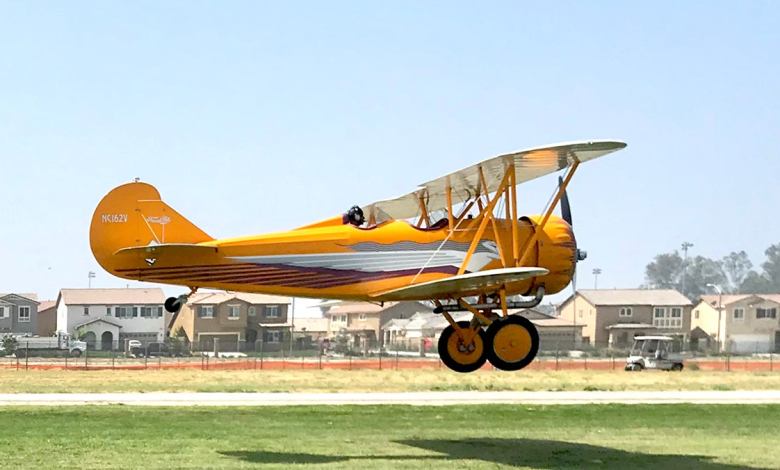
A stunning replica of the 1929 Travel Air biplane recently took its inaugural flight. Named Sun Siren, it is the fleet-mate of another airplane of the same type, Sky Siren, which has been flying since 2013 and is based at the Oxnard airport in southern California. The Sun Siren and Sky Siren were restored and […]

When people tell you they’ve watched their lives pass before their eyes, it’s usually in reaction to some kind of near-death trauma. Seeing much of my own life come back to me last week though, was actually centered around something good, even if it was a bit overwhelming. Last Wednesday night I was presented with […]
Most pilots who fly single-engine piston airplanes in non-commercial operations do not undertake formal training at annual or other intervals. Instead, they are only required to complete a flight review from a certified flight instructor (CFI) every other year to fly as pilot-in-command. For most pilots, this is an exercise to be completed with as little effort as possible. Some pilots resent the requirement while a few even dread it. This doesnt have to be the case, however.
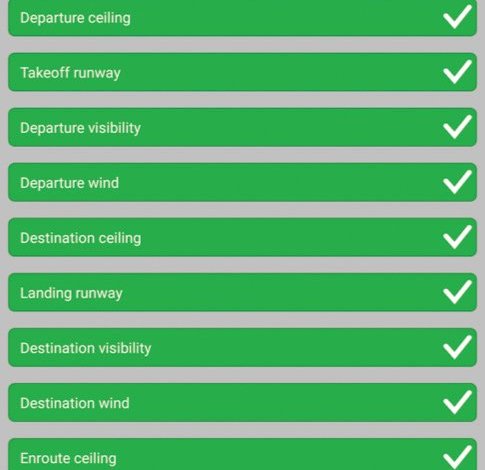
I much appreciated Robert Wright’s May 2018 article, Risk Assessment Tools. We use a version of a flight risk assessment tool in our flying club, and while I agree that numerical values should not be the sole criteria for the go, no-go decision, the process does provide a checklist of sorts for decision-making. The most valuable risk assessment tool I use is not found on any web site or aviation app, but is the application of a simple philosophy: If I have to analyze a go, no-go decision for more than a few seconds, it is a sure sign that the risk requires serious mitigation or a willingness to stay safely on the ground.

Get the latest stories & special offers delivered directly to your inbox.
SUBSCRIBE