Register

Search Results for: wright

Pilot Proficiency

A Night at the TWA Hotel

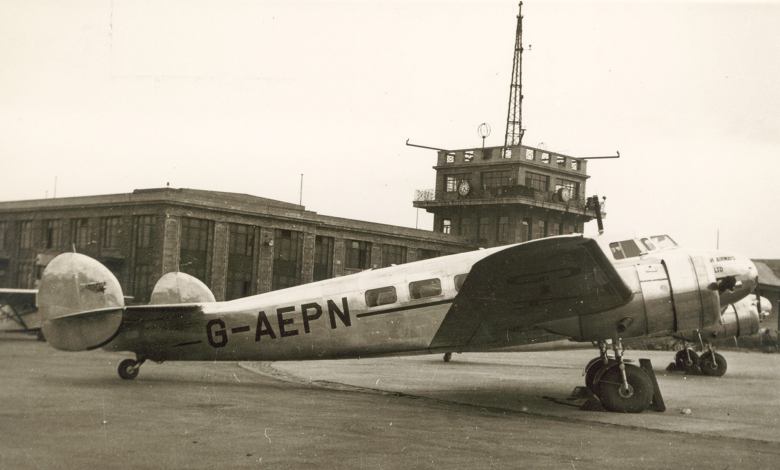
On a hot August day 50 years ago, I was deposited in front of the Trans World Airlines terminal at Kennedy Airport in a rented Cadillac. The Caddy needed some timing work done on the engine, and the ambient temperature had outpaced the vehicle’s air conditioning, but I didn’t care. I was flying to London […]

Read More »
Pilot Proficiency

An Italian Flight Adventure

Because I’m both an airplane nut and history buff, many of my European work layovers involve either seeking out aerial adventures or investigating some bit of the 2,000 years of tumultuous history that seem to lurk around the continent’s every corner. Often, I am able to combine these interests—for a great deal of aviation history […]

Read More »
Airmanship

Winter Weather Tools

Like it or not, winter weather is upon us here in North America. After a few brief weeks of not as much thunderstorm activity, were headed squarely into a a couple of months featuring widespread near-freezing temperatures and precipitation. From storing our airplane, to preflighting it, picking a route and ensuring our destination doesnt have any slippery surprises, winter weather will have an impact on our operations, likely even if we stay in the pattern at a Southern California airport.

Read More »
Accident Probes

Over-Water Risks

Its an aviation clich that your single engine goes into automatic rough when crossing any significant body of water. To be sure, any engine problem while beyond gliding distance from land is a critical problem, even if you have more than one. When flying a single, its everything. Another clich is that most of us dont bother to analyze the real risks of overwater flying. Any water crossing of any significance-and wed put the Great Lakes, Hawaii and Bahamas in that basket-should be carefully planned to ensure risks are mitigated to acceptable levels. The thing is, both clichs are true more often than not.

Read More »
Charts & Plates

BasicMed Checkup

BasicMed is the result of a legislative initiative that produced Public Law 114-190, the FAA Extension, Safety, and Security Act of 2016, signed into law on July 15, 2016. BasicMed (a term that came later) is found in Section 2307 of the law: Medical Certification of Certain Small Aircraft Pilots. This law directed the Executive Branch, through the FAA, to issue regulations within 180 days to allow pilots to act as PIC under the law. The regulations (new Part 68 and changes to Part 61 & 91) and the term, BasicMed, came into existence when the rules were published in Federal Register on January 11, 2017 and became effective on May 1, 2017. Because the law only addressed pilots acting as PIC, we have the unintended consequence that a safety pilot, not simultaneously also acting as PIC, needs an FAA Medical as a required crewmember, as weve discussed previously.

Read More »
Careers

One Pilot’s Adventurous Life

One of the happy byproducts of a life largely spent flying, riding, sailing and exploring all over North America and beyond is that I have a great many friends scattered to every corner of the country and, indeed, the globe. Sometimes this means going years without seeing people, staying in contact by phone or social […]

Read More »
Pilot Proficiency

Sunday’s Aviation Characters

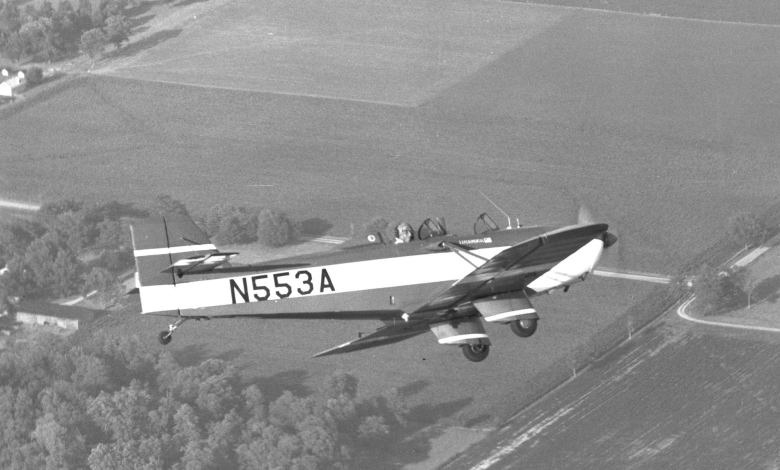
The first Sunday of this past May, Moraine Airpark celebrated the 60th ­anniversary of its annual “Sunday Funday”—the unofficial start of the flying season. Our Midwest spring has been monotonously wet, gray and cool, so Sunday morning’s less than-ideal-ceilings and visibilities were no surprise…or deterrent. It was VFR “enough” with better weather in Dayton, Ohio, and […]

Read More »
Aircraft Analysis

Managing Risk In Aircraft Certification

Most of my articles for this journal focus on managing the risk of flying piston-powered general aviation aircraft, with examples of good and poor risk management. But risk management is at least equally critical in the world of operating airliners and turbine-powered transport category aircraft. Recent air carrier accidents provide illustration and lessons relevant to operating small general aviation aircraft, especially when designing and certifying them. In fact, and just as during flight operations, the job of managing risk in the design and certification is to identify, assess and mitigate that risk. These procedures apply even more objectively when using rigid design criteria, especially when they involve transport category aircraft.

Read More »
Aircraft

A Novel Type of Engine Design

Despite the complaints we often hear about the “outdated” technology of opposed-piston engines, the industry has found nothing decisively better with which to propel smaller airplanes. Not for lack of trying: The history of small aircraft engines—in fact, of engines in general—is a freaks’ graveyard. There have been barrel-shaped engines, spherical engines, cubical engines and […]

Read More »
News

DARPA Announces Active Flow Control “Proposers Day”

When the Wright Brothers designed the original Flyer, a critical element to their success laid in the refinement of the flight controls they used—wing warping—to guide the craft through the air. The aerospace industry has evolved the way we physically control flight ever since. And much evolution has taken place under the guidance of DARPA, […]

Read More »
Pilot in aircraft
Sign-up for newsletters & special offers!

Get the latest stories & special offers delivered directly to your inbox.

SUBSCRIBE