









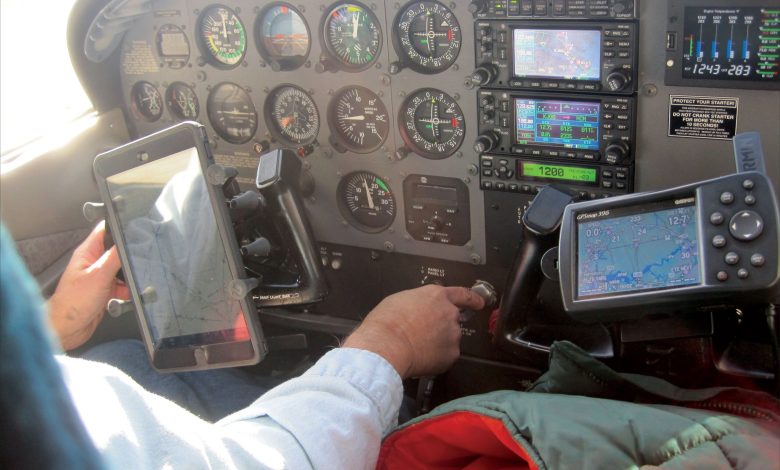
Basic Utility and Fun
I made up my mind to sell my house at that fancy Florida fly-in community the day a joker from the homeowners association scoffed at my Skyhawk and asked, You flew all the way from Chicago in that thing?


I made up my mind to sell my house at that fancy Florida fly-in community the day a joker from the homeowners association scoffed at my Skyhawk and asked, You flew all the way from Chicago in that thing?
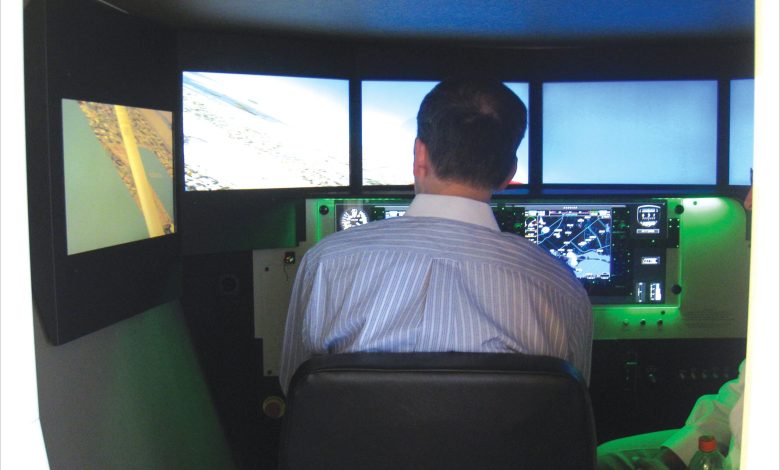
Youre 30 miles out from a night LPV (GPS) approach to Runway 36, with a DA of 250 feet AGL. Winds are 180 at five on the surface with 200 variable 600 ceiling and two miles visibility. Your alternate is an ILS 35 minutes of flying away with 1000 overcast and 10 miles visibility. Youve got 1:20 of fuel.
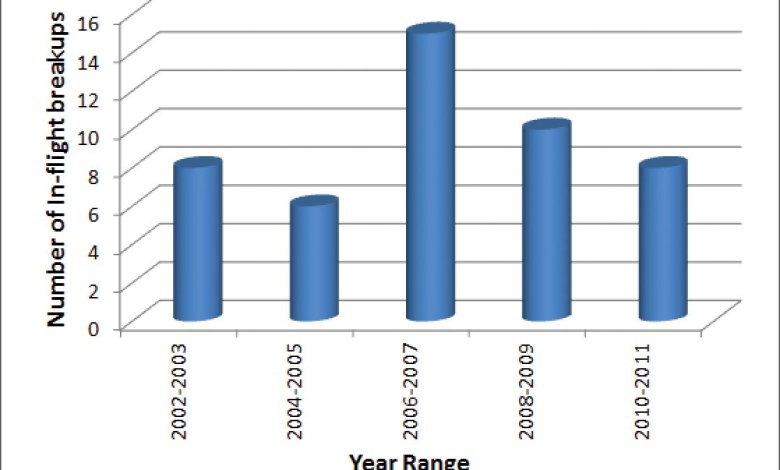
Structural failure accidents, often from getting too friendly with thunderstorms, kill both people and what little good press GA is able to garner. In the last decade, 50 accidents-about 10 per cent of all accidents-were due to in-flight structural failure. Worse, even with better weather data in flight, these accidents arent going away.
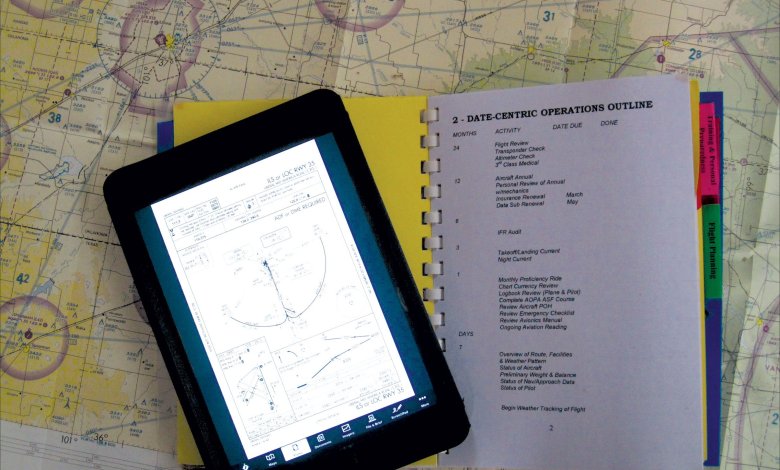
Its no secret that general aviations accident rate is significantly worse than the airlines and corporate flight departments. According to NTSB studies over the first 10 years of this century, youre 12 times more likely to have an accident when flying your own or a rented GA aircraft.
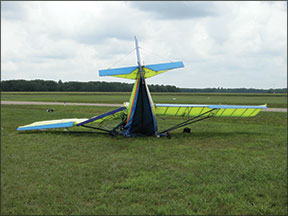
The stats are in, the tallies tallied and the totals have been summed up: Loss-of-control tops the list of general aviation accident causes. Recent studies by industry and government point to loss-of-control (LOC) accidents in all their variations are the leading cause of GA accidents, both fatal and otherwise. According to the U.S. Government Accountability Office, GAO, “From 1999 through 2011, nonfatal accidents involving general aviation airplanes generally decreased, falling 29 percent, from 1265 in 1999 to 902 in 2011.” That’s the good news. The bad news is there were still more than 200 fatal accidents each year during the period.

You’re probably familiar with your airplane’s primary control surfaces, what they are, where they are and how they work. (If not, now’s a good time to research the topic.) According to the FAA, primary controls are those “required to control an aircraft safely during flight,” and are the rudder, ailerons and the elevator/stabilator of a conventional airplane. The pitch-control surfaces of a canard-configured airplane usually are considered primary controls, also.
The stats are in, the tallies tallied and the totals have been summed up: Loss-of-control tops the list of general aviation accident causes. Recent studies by industry and government point to loss-of-control (LOC) accidents in all their variations are the leading cause of GA accidents, both fatal and otherwise. According to the U.S. Government Accountability Office, GAO, “From 1999 through 2011, nonfatal accidents involving general aviation airplanes generally decreased, falling 29 percent, from 1265 in 1999 to 902 in 2011.” That’s the good news. The bad news is there were still more than 200 fatal accidents each year during the period.

Forty percent. In any context that’s a sizable percentage. In ours, 40 percent represents the share of fatalities aviation-safety advocates pin to one category of crashes: loss-of-control accidents (LOC). Reducing LOC accidents and their fatalities led the FAA to put two available tools at the top of its 2013 list of most-desired general-aviation safety enhancements. The winners? Airbag seatbelt systems and angle-of-attack (AoA) indicators.
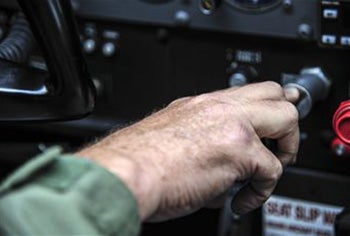
Every airplane has a power curve. And every power curve has a backside. It’s an area of the performance envelope in which induced drag rises dramatically, necessitating considerably more power to maintain a given airspeed and altitude. Venturing into this “region of reverse command” on approach can be particularly hazardous because as you “drag it […]
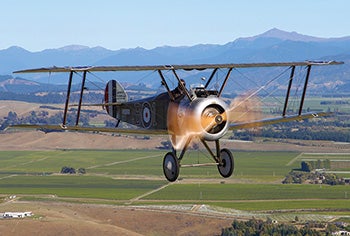
One of the legends clinging to the Sopwith Camel is that it was so reluctant to turn 90 degrees to the right that pilots preferred making a 270 to the left. Now, this is being said about the airplane that is widely regarded as the premier dogfighter of World War I. You have to wonder […]

Get the latest stories & special offers delivered directly to your inbox.
SUBSCRIBE