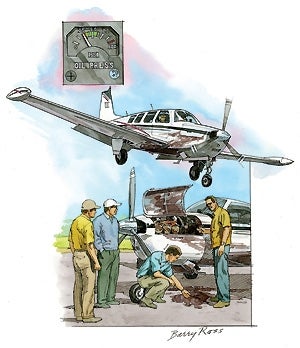
Takeoff and initial climb accidents are 10 times more deadly than landing accidents, according to the AOPA Air Safety Foundation (ASF) presentation “Mastering Takeoffs and Landings.” And, when you think about it, the ASFs numbers make sense. After all, during a takeoff, the airplane is as heavy as it will be for that flight, youre accelerating, not slowing as when landing, and you arent accustomed to the wind or the airplanes loading, among other factors. If in fact takeoffs are so potentially fatal, its worthwhile to discover how to detect when a takeoff or “first-stage” climbout is going bad and, if needed, how to safely abort it before joining the NTSB tally. What clues do we have to a takeoff anomaly, and how can we safely abort a takeoff when things arent going right? Im in favor of letting the student do everything possible on the first lesson, but the relative ease at which we launch into the air-at least compared to what it takes to learn to land-might make us complacent about critically observing our takeoffs. After all, when turned into the wind and the powers brought up, were thinking about the flight ahead, or perhaps focused on an initial heading or altitude restriction. It takes a lot of discipline to be thinking about the takeoff itself.