










Tablets to Carry Your Electronic Flight Bag
The avionics and situational awareness technology now available through the use of electronic flight bags (EFBs) brings glass cockpit performance to any airplane with the use of today’s mobile tablets.


The avionics and situational awareness technology now available through the use of electronic flight bags (EFBs) brings glass cockpit performance to any airplane with the use of today’s mobile tablets.
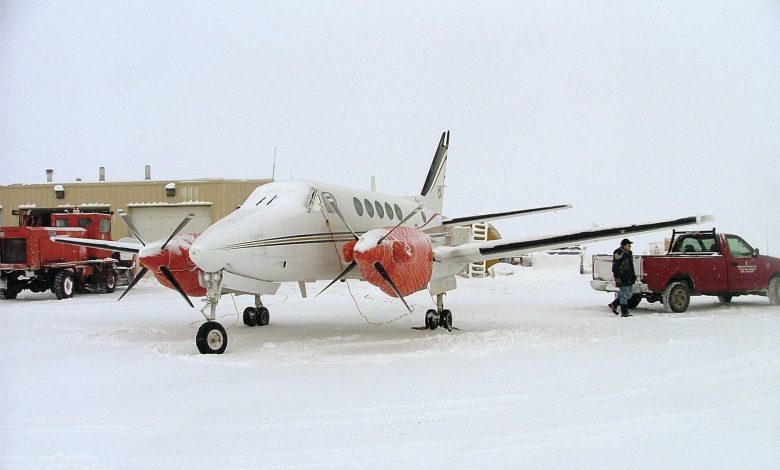
Like it or not, winter weather is upon us here in North America. After a few brief weeks of not as much thunderstorm activity, were headed squarely into a a couple of months featuring widespread near-freezing temperatures and precipitation. From storing our airplane, to preflighting it, picking a route and ensuring our destination doesnt have any slippery surprises, winter weather will have an impact on our operations, likely even if we stay in the pattern at a Southern California airport.
The most obvious and essential ATC tool is a working radio. Imagine an airport is fogged in, with hard IMC and essentially zero visibility. The tower controller cant see the airplanes. However, using a single radio with his knowledge of the airport layout, and accurate position reports from pilots moving around in the soup, he can still work the traffic. Radar controllers can also rely on pilot position reports to separate traffic in non-radar operations. Again, all they need is a radio and knowledge of their surroundings to build a mental traffic picture.
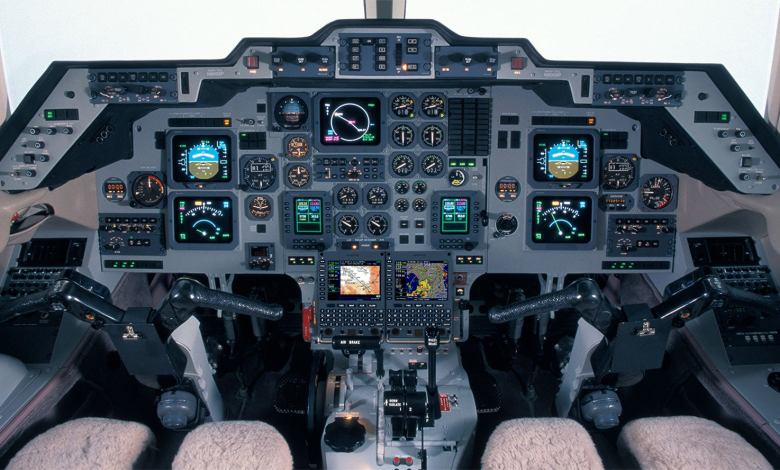
Avidyne has announced the debut of its Atlas Flight Management System for Part 25 certificated aircraft, bringing its integrated flight deck (IFD) technology into jets utilizing a console layout in the cockpit. The system makes its debut at NBAA on October 21-24, 2019, with certification expected in 2020. The multifunction FMS combines a range of […]
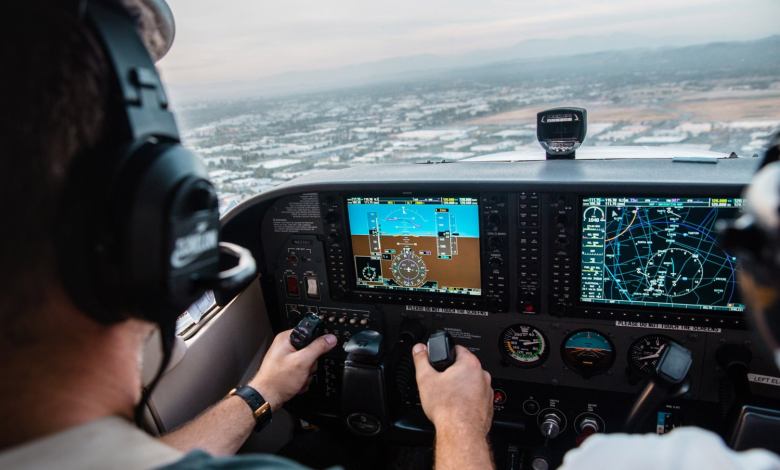
On a scale of 1 to 10, how would you rate the quality of your weather briefing before each flight? Does the wealth of information available from mobile apps and online resources give you the feeling of being more prepared today, compared to calling Flight Service 15 years ago? Or do you find it more […]
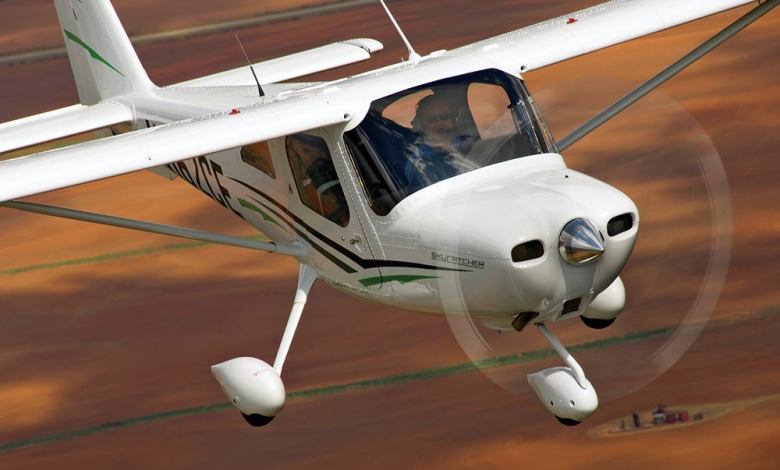
First, we checked with Garmin and their equipment actually decodes the Morse code identifier rather than rely on GPS and the tuned frequency to look it up in the boxs database. So far, so good. We next checked with Mark Kolber, our regs guru, and he pointed us to AIM 1-1-3.c. That paragraph talks about navaid identification in general, pointing out that merely hearing Morse code isnt enough because it could be transmitting TEST. Likewise, live voice transmissions from FSS or ATC dont indicate a valid navigation signal. The prize, though, is in the paragraphs last sentence, If your equipment automatically decodes the identifier, it is not necessary to listen to the audio identification. So, Rick, youre right. If the box decodes and displays the Morse code identifier, you can rely on that.
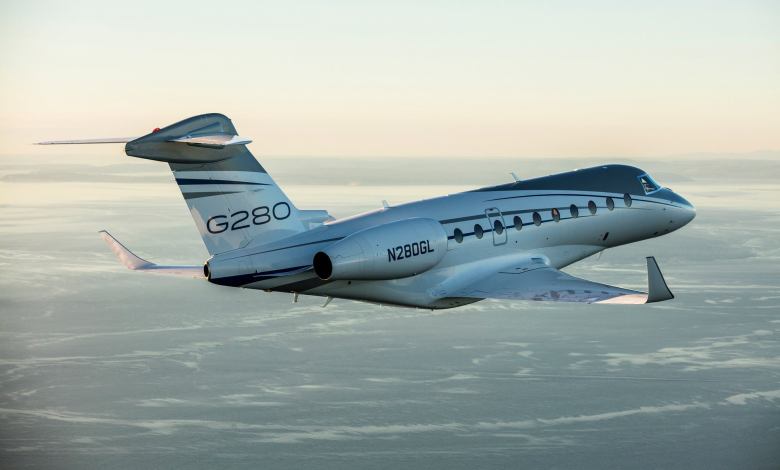
There are two basic ways to obtain an IFR clearance in the U.S. before departing a non-towered airport. One is to telephone Flight Service directly and get the clearance over the phone. Another is to use a remote communications outlet (RCO) to contact Flight Service or a ground communications outlet (GCO) to reach ATC over your aircrafts communication radio. In both cases, of course, youre likely to receive a clearance with a void time, since ATC cant see you on radar until youre airborne, and has to block off some portion of the airspace around your departure airport to ensure separation, at least until youre in radar contact.
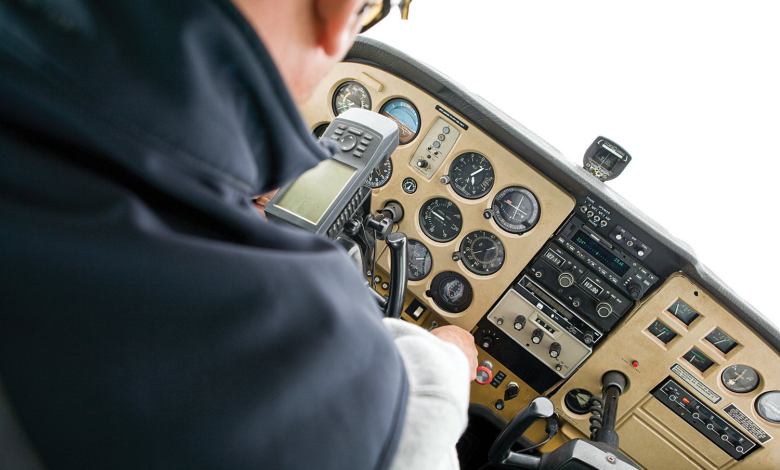
I still believe my instrument-rating check ride was my toughest, but then maybe it just seemed that way because the technology in the Cessna 172 I flew was pretty basic: two communications radios, two VORs, an ADF and a transponder. Keeping an airplane upright in the old days demanded constant brain work to scan the […]
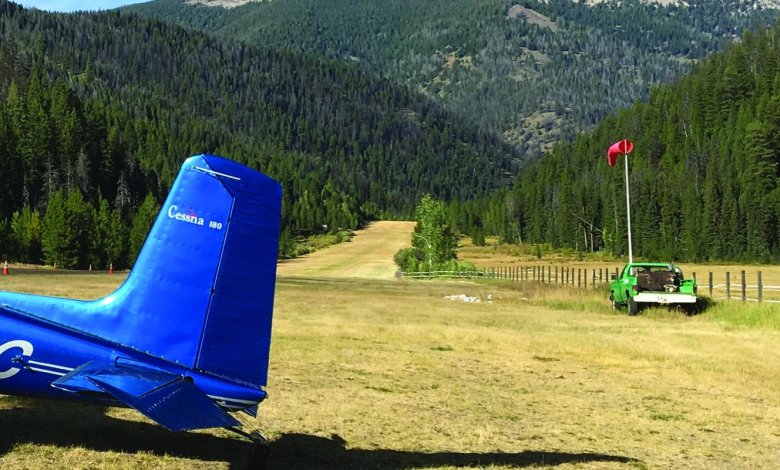
Pilots are taught to take off and land into the wind, and avoid landing or departing with a tailwind. There is a reason: The performance penalty of a tailwind is much greater than the benefit of a headwind. How big a penalty? Go to your POH and calculate it. The most common figure is to add 10 percent to the takeoff or landing roll for every two knots of tailwind up to 10 knots. The specific penalty will vary based on a number of factors like runway surface, density altitude, and gross weight. Somewhere down in the fine print, you may see an additional penalty for runway slope. But often runway slope is neglected, because most runways are level.
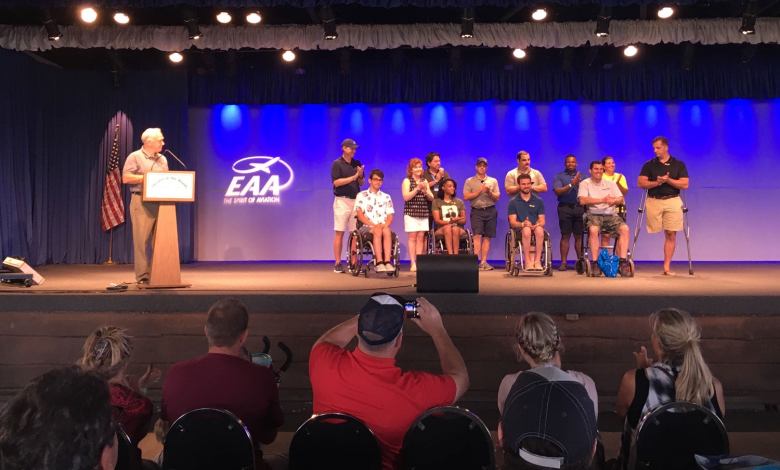
In 2006, Charles Stites sought a way to help those with disabilities to find their own way into the sky. In 2019, Able Flight has fulfilled that dream and continues to grow. Able Flight, the charitable organization that delivers flight training opportunities to people with physical challenges, honored its newest pilots and scholarship recipients with […]

Get the latest stories & special offers delivered directly to your inbox.
SUBSCRIBE