Register

Search Results for: Lear 45

Avionics and Gear

Ski Country Flying

Eagle County Regional Airport (KEGE) is the main airport that services the Vail ski area. At over 6000 feet field elevation, it presents many of the challenges of a high-altitude runway in the Rockies, and a few unique ones. Did I mention it is surrounded on all four sides by mountains reaching over 11,000 feet? […]


Read More »
News

GAMA Shows GA Shipments, Billings Up for 2019

Three major themes took center stage on February 19, 2020, at the annual meeting of the General Aviation Manufacturers Association at the National Press Club in Washington, D.C. Leaders from OEMs and a broad range of associations and industry executives met for GAMA’s release of its 2019 sales report—but the increase in shipments and billings […]

Read More »
Pilot Proficiency

Pilot’s Discretion: The iPad Proficiency Check

Here’s a situation you’ve likely experienced: You drive 45 minutes to the airport, walk out to your airplane and start unpacking your flight bag. As you go through your normal preflight routine and organize your gear in the cockpit, you experience that sinking feeling and realize you left something behind. If you had to pick […]

Read More »
Aircraft

Pilatus Finalizes Rough Field Certification for PC-24 Bizjet

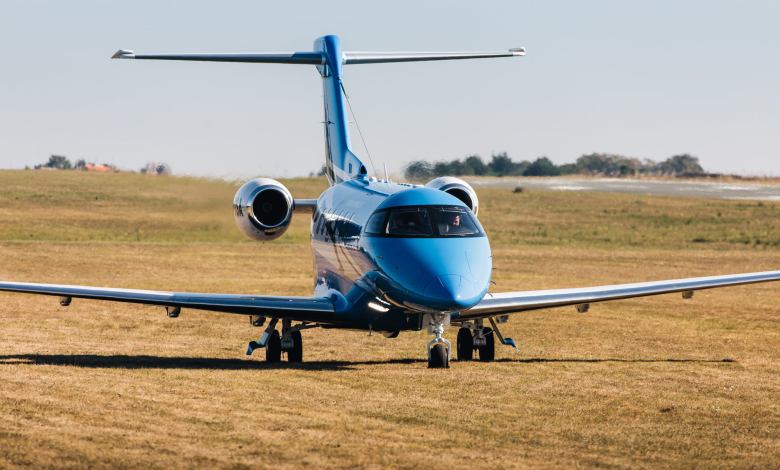
Stans, Switzerland-based Pilatus Aircraft has become the first business jet manufacturer to achieve something many expected would be impossible—certification for rough field operations—for its PC-24 Super Versatile Jet. Since 2018, the bizjet has been certified to land on dry sand and gravel, but complete rough field certification allows the PC-24 to land on additional surfaces, […]

Read More »
Aircraft

Low & Slow In Reno

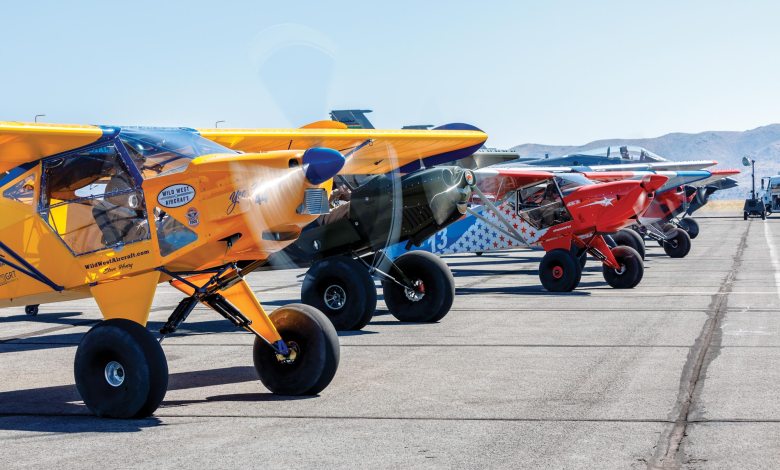
If you’ve ever attended the Stihl National Championship Air Races at the Reno-Stead Airport west of Reno, Nevada, you know the event brands itself as “the fastest motorsport on earth,” with the slogan “fly low, fly fast, turn left.” Low and slow has never factored into the equation since the races began decades ago. But […]

Read More »
Aircraft

Technicalities: Piggybacks and Parasites

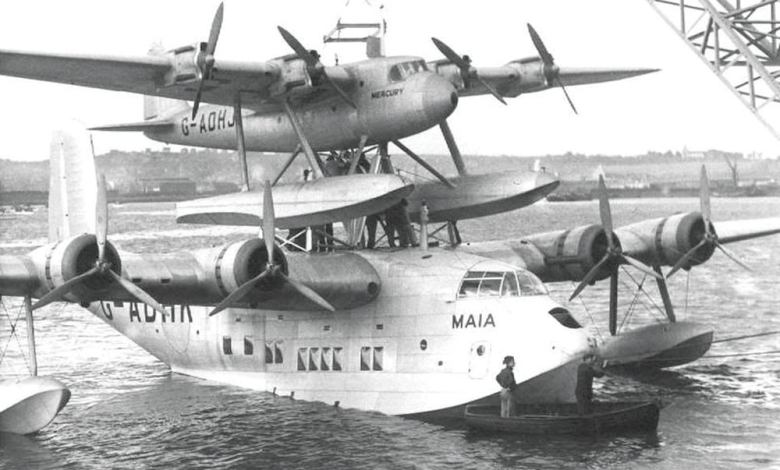
The first airplane to cross the Atlantic was a war-surplus Vickers Vimy bomber with a wingspan of 68 feet. The Spirit of St. Louis had a 46-foot wing. In 1975, I made the 2,000-mile trip from Gander, Newfoundland, to Shannon, Ireland—by then, a commonplace for single-engine planes with optimistic pilots—in a homebuilt of 23-foot span. […]

Read More »
Training and Proficiency

ATP Requirements for Your Certificate

The path to becoming a professional pilot has evolved a lot in the past eight years, following the implementation of new regulations and testing guidance governing how pilots of transport-category aircraft obtain certification. While it’s possible to fly professionally with a certificate for commercial single-engine operations, most pilots intending to fly for the airlines, commuter […]

Read More »
Pilot Proficiency

Leading Edge: Act As If

You’re not a pilot unless you are flying. Maybe you once were a pilot, or are one in spirit, or perhaps continue to be a pilot on paper (compliant in satisfying regulatory definitions). But in my eyes, until you pull back on the yoke and defy gravity’s ancient pull, you aren’t one. I did not […]

Read More »
Training and Proficiency

FlightSafety Announces New Level D Helicopter Simulators for Training Centers

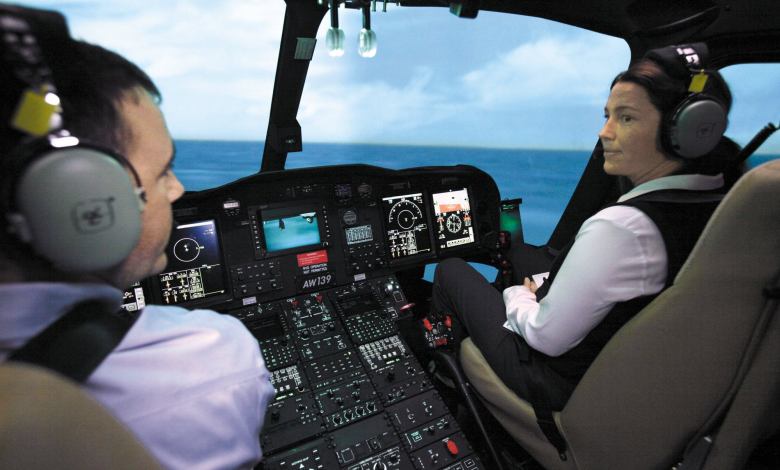
FlightSafety International announced on January 27 it is expanding its helicopter training programs and services by adding new Level-D-qualified simulators for the Airbus Helicopters EC145 and Leonardo AW139. Level D certification is only assigned to the highest-fidelity simulators, capable of night, dusk and day visuals, as well as movement through multiple axes of motion. The […]

Read More »
Accident Probes

Top Ten Tips For Managing Risk

Everyone talks about the weather but no one ever does anything about it. (Stop me if youve heard that before.) The same could be said about managing the risk of general aviation. We-both this magazine and the industry as a whole-spend a lot of time preaching to pilots about the mechanics of understanding weather forecasts, determining if the aircraft is capable, and making honest evaluations of our own performance in considering how and when to conduct a flight. But once we identify the need to mitigate a risk, we sometimes have little space left over to describe the tools we can use. Lets try to fix that.

Read More »
Pilot in aircraft
Sign-up for newsletters & special offers!

Get the latest stories & special offers delivered directly to your inbox.

SUBSCRIBE