Register

Search Results for: Cessna 172

Avionics and Gear

Staying Afloat

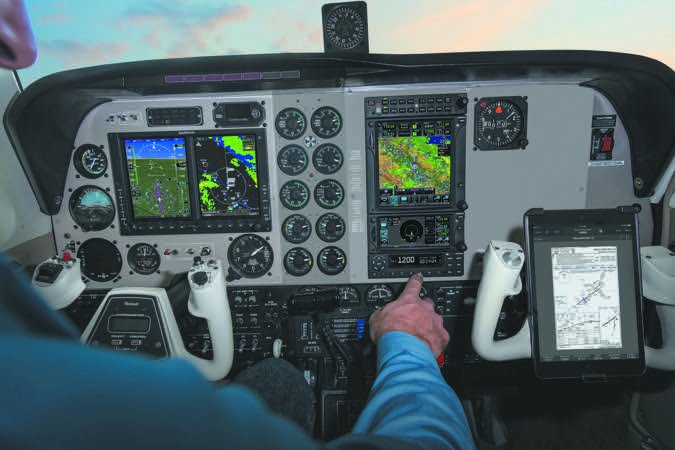
Along with legions of other pilots, I learned to fly in Cessna Skyhawks, with six-pack instrument panels. Even when I moved on up to the 21st century and Garmin G1000-equipped 172SPs, the core aircraft remained familiar-similar V speeds, control yoke, nose wheel steering, big trim wheel. There was a comfort in the sameness.
Read More »
Avionics and Gear

On The Air: November 2017

While traveling into Valdez, Alaska for the annual fly-in and STOL competition, a couple of planes were trying to hurry in before the airspace closed for aerobatic practice. A couple minutes after tower gave best forward speed instructions to a Lake amphibian (not known for great forward speed), the following exchange was heard:

Read More »
Avionics and Gear

Readback November 2017

I am pretty much all in with all the latest wizbangs-syn vis, AOA, MFD, ADS-B In etc. in my V-35B, plus of course the great PFD. All this works perfectly with my legacy autopilot and it will take me wherever I want.I too discovered that I was really getting sloppy with my hand flying in challenging conditions and resolved to make letting George fly the exception. Sometimes we split the route where I fly out George flies back. I like flying the airplane and becoming more aware of all that I have on display in front of me, but it does take more effort and concentration.

Read More »
Accident Probes

Touch-And-Goes

The approach and landing phase should be conducted in accordance with whatever specific procedure is being practiced: normal, engine-out, short/soft-field, high density altitude. Simply because youre not planning to slow down and exit the runway doesnt mean you should do anything different on the approach and landing. After all, the reason youre doing touch-and-goes is to practice, and you cant engage in valuable practice if you dont simulate realistic conditions and procedures.

Read More »
Accident Probes

NTSB Reports

The airplane was destroyed when it impacted terrain at 1159 Eastern time. The solo private pilot was fatally injured. Visual conditions prevailed. The pilot had recently purchased the airplane and was relocating it to a private airstrip near his home. Witness observations were consistent with the airplane flying at low altitude and maneuvering erratically before it impacted. Each witness reported the engine was running prior to impact. The accident…

Read More »
Aircraft

Belite’s Chipper Aircraft Continues Evolving

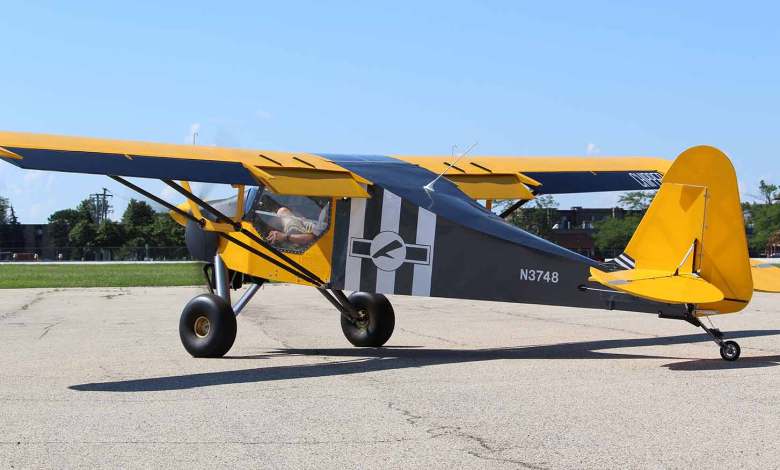
Being a tail dragger aficionado since my Citabria ownership days probably gave me a leg up on taking to Belite Aircraft‘s Chipper when I first saw it at Sun N Fun in April. Belite’s president, James Wiebe, made it clear from the start of our conversation in Lakeland that the Chipper was a work in […]

Read More »
Aircraft Analysis

Gadget Addiction

I chuckled reading Mike Hart’s comments on reverting from his in-cockpit gadgets to paper (Addicted To Gadgets? June 2017). I fly my Cirrus with a Garmin Perspective, but just attained my commercial license using a 1967 Piper Arrow II, since I needed a retractable-gear airplane. These good friends keep their planes in top shape, but it was a similar experience to Mike’s 135 challenge. The club has three retracts and I would move between each one until I decided which one to test in. Between the Arrow IV, 172RG and the Arrow II, I finally decided on the II.

Read More »
Avionics and Gear

Readback: August 2017

In April Killer Quiz, The Prof and the Pilot, I dont think that the answer to the last question is correct. With tailwind, one should reduce the airspeed below best glide speed, which in turn reduces the sink rate. Gliders pilots are very familiar with these concepts.Unfortunately, Cessna doesnt publish sink rates at various speeds to compute that accurately, so we are left to back-of-the-envelope calculations. We know that at best-glide speed (65 knots.

Read More »
Another Look

Wheels

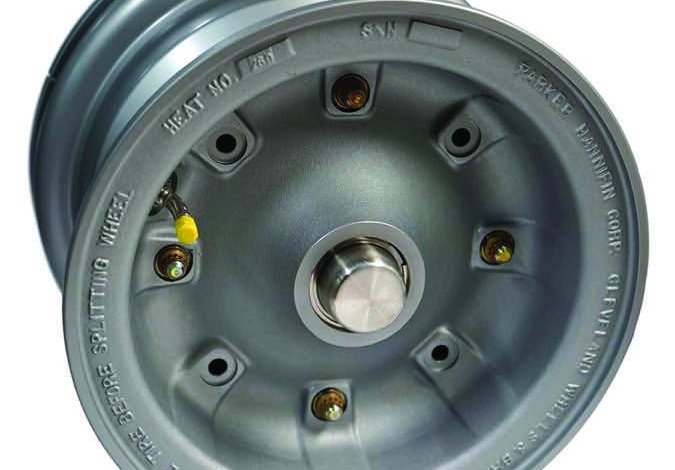
The tailwheel could not be steered during an annual inspection. The tailwheel had been painted; its grease fitting had been completely covered. The owner stated a technician told him not to grease the tailwheel and to tighten the nut on the bottom of the steering pivot bolt as tight as possible. Disassembly revealed all parts inside the tailwheel unit were extremely worn.

Read More »
Aircraft Analysis

Smooth Transitions

At some point in your flying career, you likely graduated from your trainer to flying different aircraft. Maybe you gained access to a fleet of aircraft through a club or flight school, an FBO or a Part 135 charter company. Or you moved to light sport aircraft, a plane you built or a plane you bought. Perhaps you stepped up quickly to higher-performance aircraft, those with more horsepower that can swing gear or have two engines.

Read More »
Pilot in aircraft
Sign-up for newsletters & special offers!

Get the latest stories & special offers delivered directly to your inbox.

SUBSCRIBE