Register

Search Results for: Cessna 172

Accident Probes

Fuel Tanks

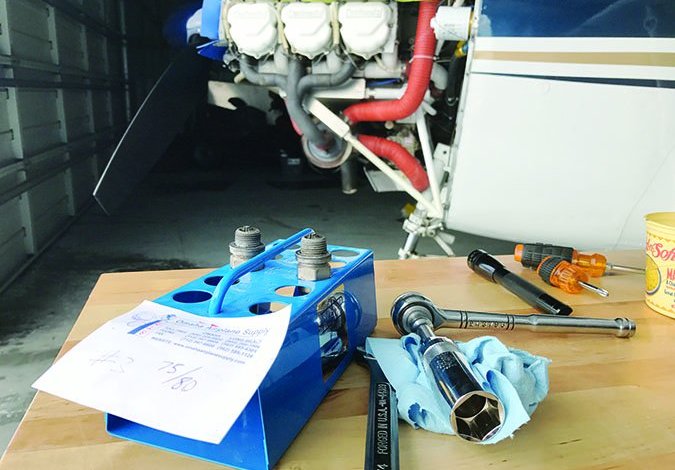
Aircraft had been inactive and hangared for approximately six months. While trying to troubleshoot a fuel quantity indication problem, a fuel sample revealed contamination, which was sent for analysis. While awaiting results, tanks were drained and an anti-bacterial fuel additive was added before they were refilled.

Read More »
Accident Probes

Know Thy Cargo

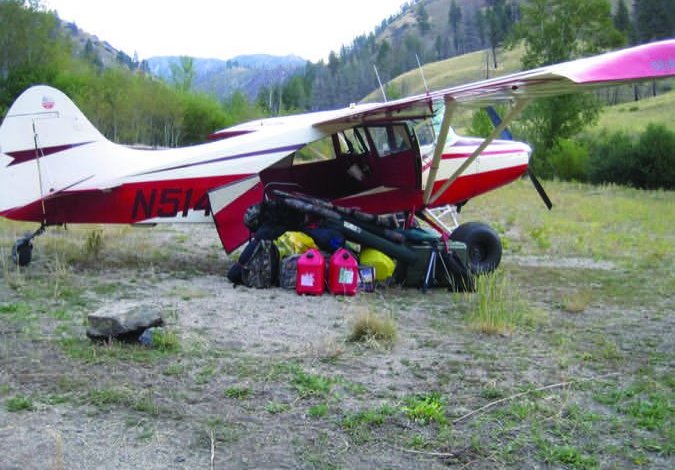
Out flying about here in Idaho, its amazing the kind of useful cargo that gets thrown into a typical personal airplane. Personally, Ive flown white gas, propane, butane, isobutene, bear spray, flares, magnesium metal, petroleum jelly-soaked cotton, windproof matches, fire starter, resin wood, radioactive materials, guns and ammunition. And thats just my emergency kit. I also usually carry (mostly) full tanks of aviation fuel and an engine filled with oil. You probably do, also.

Read More »
Accident Probes

More Changes Coming

For almost as long as Ive been flying, the general aviation industry has been in upheaval. By the mid-1980s, product liability concerns and tax law changes helped remove what was propping up things, and the bottom fell out. Among other outcomes, Cessna stopped making piston-powered airplanes altogether while other manufacturers discontinued numerous models, preferring to concentrate on one or two.

Read More »
Pilot Proficiency

Taking Wing: Virtual Airports of My Digital Dreams

Airplanes, pilots and airports: Where you find two, you’ll find the third. In my airplane-obsessed childhood, this indisputable fact led to an early acquaintance with every airfield within a 20-mile radius. These were quiet country fields, mind you, but every so often a Cessna would drop in to do a couple of touch-and-goes, or maybe […]

Read More »
Accident Probes

NTSB Reports: April 2017

At about 0937 Mountain time, the airplane was destroyed when it collided with mountainous terrain. The private pilot and three passengers were fatally injured. Instrument conditions prevailed.Radar data show the airplane reached its cruising altitude of approximately 8000 feet msl some 12 minutes after takeoff. The airplane subsequently descended about 1300 feet in one minute before entering a momentary climb, which was followed by a shallow descent. In the remaining two and a half minutes, the airplane maintained a 300 fpm descent rate, with some intermittent climbs. The final two radar targets show the airplane climbed about 425 feet in 12 seconds. The airplane maintained a straight track from its departure airport to the last radar target, which was within 0.1 nm of the 6670 feet msl accident site.

Read More »
Accident Probes

Get The Lead Out

There is a fundamental reason we perform preflight run-ups and engine checks before takeoff: It is a whole lot better to find problems at 1G, 0 feet agl and 0 knots airspeed than it is while airborne. Making sure a powerplant will work as we intend before taking off is just good airmanship. A good run-up doesnt mean everything is perfect, however, and we train for airborne engine problems, including full use of its controls and instruments.

Read More »
News

EAA’s Dynon STC Approved Aircraft List Still Growing

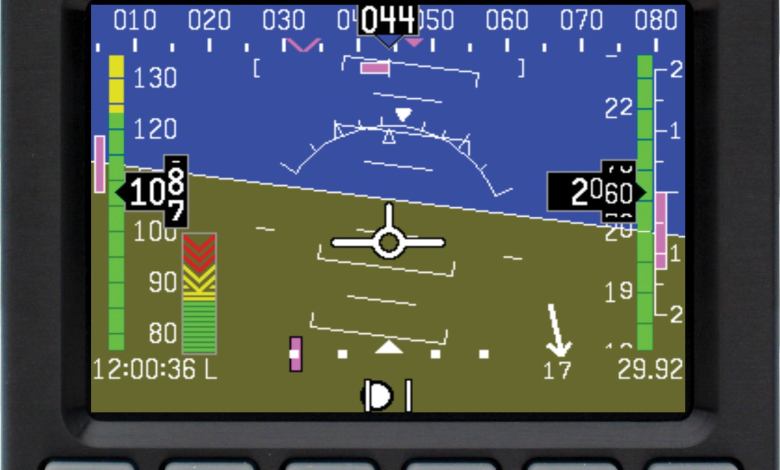
More than two dozen aircraft models across a wide range of aircraft builders, including Beechcraft, Grumman, Maule and Mooney, are now eligible to install Dynon flight displays, thanks to the supplemental type certificate created by the Experimental Aircraft Association in partnership with Dynon and the FAA. The number of Cessna and Piper aircraft eligible for […]

Read More »
Accident Probes

NTSB Reports: January 2017

At about 0925 Central time, the airplane was destroyed after impacting trees and terrain during final approach. The pilot and the child passenger were seriously injured. Visual conditions prevailed. Initial reports showed the airplane experienced a complete loss of engine power when about one-half mile from the runway. During the accident sequence, both wings were separated at the wing root and the fuselage came to rest upright about 20 feet beyond initial impact with trees. The airplane was immediately involved in a fire. The pilot removed the child passenger, exited the airplane and walked to a nearby rural residence.

Read More »
News

Flying’s Top 20 Aviation Stories of 2016

It was a year filled with big news stories that not only helped to reshape the general aviation landscape but will almost certainly continue to do so for many years to come. The past 12 months have seen aircraft milestones, major changes to FAA regulations and a presidential election unlike any we have witnessed in […]

Read More »
Technique

Stupid Pilot Tricks

Its that time of year when we who have successfully covered up our own boneheaded mistakes snicker over the antics of those less fortunate flyers who have failed and got caught. This review of NTSB accident reports from 2013 makes no pretense of learning from others mistakes. The following acts of aerial mayhem are a reminder that no matter how bad your own decision making might be, theres always someone eager to lower the bar. We skip fatal accidents and usually give errant student pilots a pass, because their brains arent yet fully developed.

Read More »
Pilot in aircraft
Sign-up for newsletters & special offers!

Get the latest stories & special offers delivered directly to your inbox.

SUBSCRIBE