













Register

Runway Considerations

According to Darwinian Theory, species that do more than survive and actually thrive tend to be the ones best able to adapt to their circumstances. Transferring that perspective from biology to aviation, we can see a direct parallel: The best pilots adapt to their situation-or conditions-depending on the circumstance. Got a forecast for Level 4 or 5 weather along the route? We adapt by making a decision, maybe go around the turmoil, maybe wait for a better day. Runways are a good example. If the runway we need is the one weve got, we cant automatically say, "Not going." Delaying the trip may still be the only smart response. But often, the best response is to adapt. Wet runways, icy runways, snow, slush, slopes, peaks and lengths all complicate the published runway-performance numbers for a given airplane. And all are generally surmountable, as long as the pilot-in-command knows how and why to adapt to the variables. Lets take a look at considerations for a sloping runway, regardless of which direction. For example, we know that managing our approach speed is critical to a good outcome. But adapting to a downhill-sloping runway requires more of us than accurate speed control; it also requires us to be as slow as we can get away with, and that we touch down as close to the threshold as possible. Heres what happens if were too fast when flying a generic airplane, according to a presentation by Sam Harris of V1 Aviation Training LLC: If your approach speed is five percent high, your landing distance can increase by 10 percent. For every degree of downhill slope, count on an increase in landing distance of 200 feet.

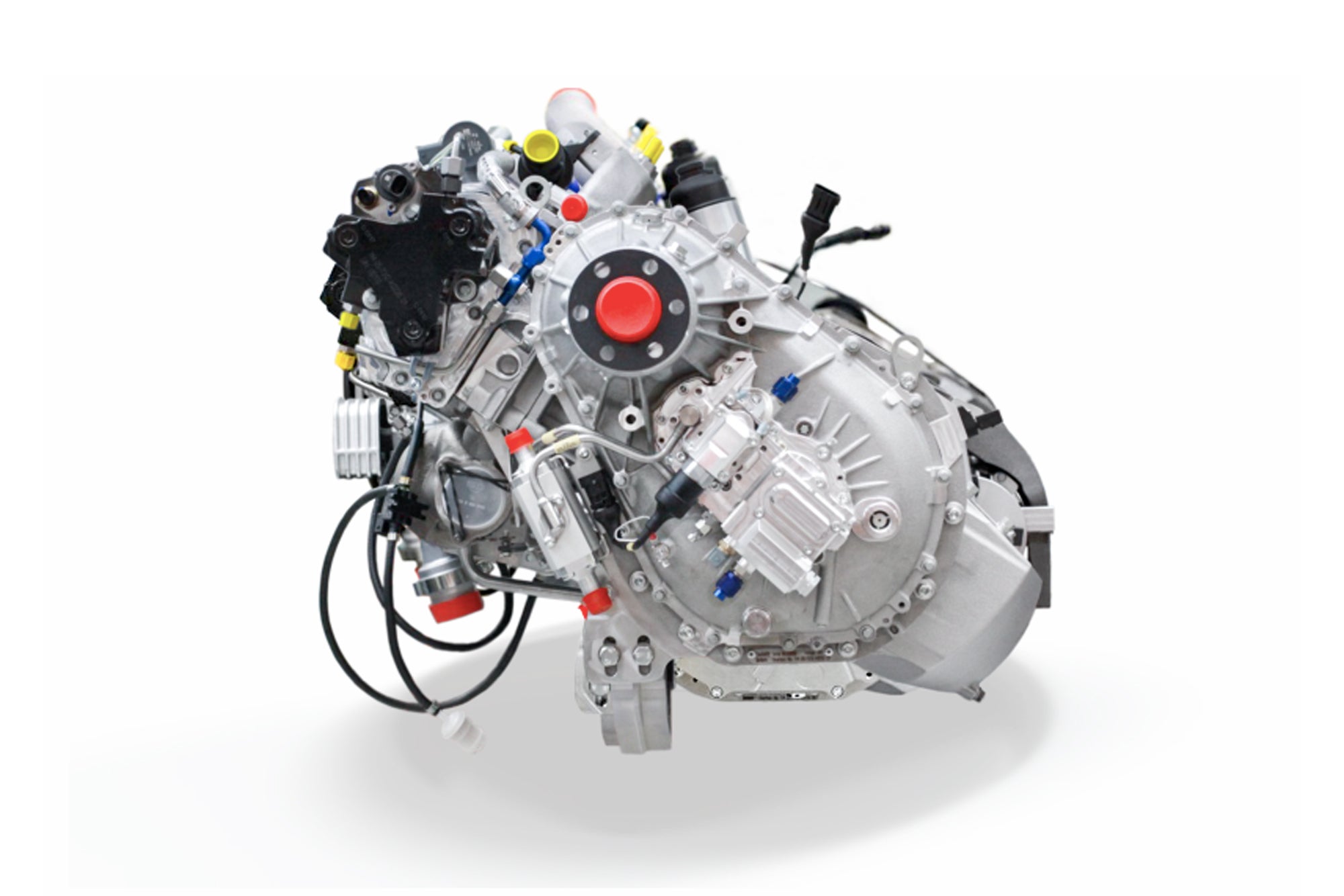
The CD-170 joins other jet-A-burning powerplants in the CD-100 series for piston aircraft. Courtesy Continental
Gemini Sparkle

Key Takeaways:

  • Pilots must adapt to various runway conditions, including slope, contamination, and wind, as these factors significantly impact landing performance and safety.
  • Downhill slopes, excess approach speed, tailwinds, and runway contamination (water, snow, ice) individually and synergistically increase the required landing distance dramatically.
  • Critical pilot techniques for safe landing include maintaining precise speed control, executing an affirmative touchdown at the desired spot, and avoiding a delayed flare to prevent excessive runway usage.
  • It is essential for pilots to accurately calculate the actual required landing distances based on all environmental variables and aircraft performance, and be prepared to divert if conditions present an unacceptable risk.
See a mistake? Contact us.

According to Darwinian Theory, species that do more than survive and actually thrive tend to be the ones best able to adapt to their circumstances. Transferring that perspective from biology to aviation, we can see a direct parallel: The best pilots adapt to their situation-or conditions-depending on the circumstance. Got a forecast for Level 4 or 5 weather along the route? We adapt by making a decision, maybe go around the turmoil, maybe wait for a better day.

Runways are a good example. If the runway we need is the one weve got, we cant automatically say, “Not going.” Delaying the trip may still be the only smart response. But often, the best response is to adapt. Wet runways, icy runways, snow, slush, slopes, peaks and lengths all complicate the published runway-

288


Ready to Sell Your Aircraft?

List your airplane on AircraftForSale.com and reach qualified buyers.

List Your Aircraft
AircraftForSale Logo | FLYING Logo
Pilot in aircraft
Sign-up for newsletters & special offers!

Get the latest stories & special offers delivered directly to your inbox.

SUBSCRIBE