Twenty years ago, the idea of carrying sophisticated digital radar in anything under a medium twin would probably have been met with roars of laughter, but technology has brought amazing advances. Now its possible for even an ultralight pilot to use the Internet to access essentially the same tools that are available to forecasters.
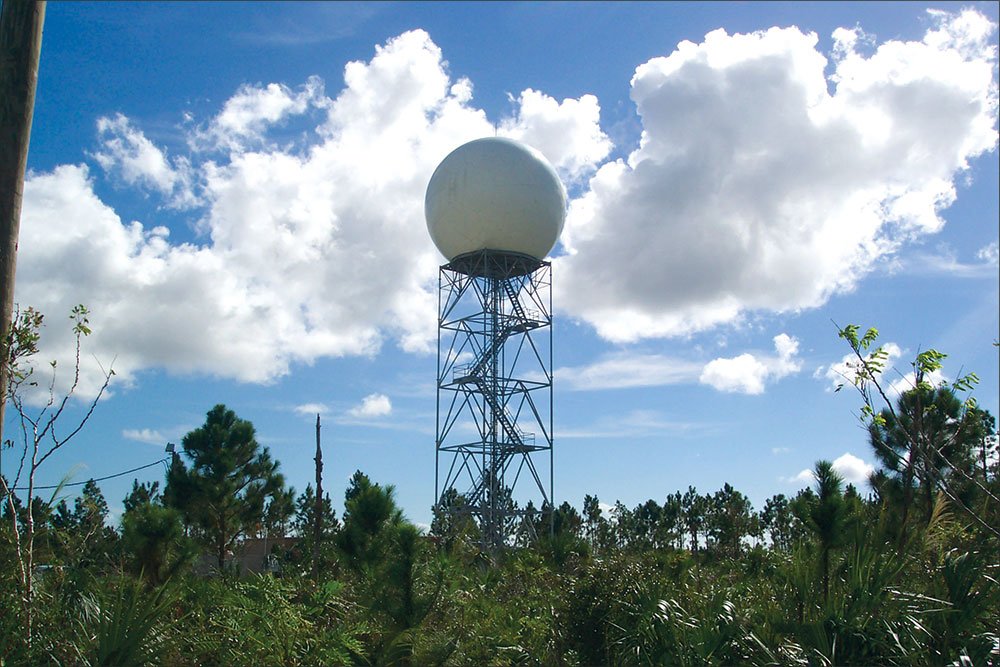
Modern radar technology, utilizing ground-based S-band networks and volume scanning, provides pilots with advanced weather data accessible via the internet, largely replacing airborne radar for typical flights.
Effective use of radar requires understanding how it works and differentiating between Base Reflectivity (single elevation) and Composite Reflectivity (highest reflectivity from all tilts), as each offers different insights into storm structures and intensity.
Pilots must be aware of significant radar limitations, including data latency (images can be 15 minutes old), potential for false echoes (e.g., from melting levels or ice anvils), the "cone of silence" directly over radar sites, and areas with poor coverage due to distance or terrain.
Despite these limitations, a solid grasp of radar basics, combined with timely weather briefings and good situational awareness, is crucial for safe weather avoidance, emphasizing staying clear of intense storm cores and adhering to safety margins.
Twenty years ago, the idea of carrying sophisticated digital radar in anything under a medium twin would probably have been met with roars of laughter, but technology has brought amazing advances. Now it’s possible for even an ultralight pilot to use the Internet to access essentially the same tools that are available to forecasters.
CREATE A FREE ACCOUNT
Sign up to keep reading
Create a free account to continue. Already a member? Sign in below.