











A wise old pilot once told me here are three distinct types of flying: simulator flying, checkride flying and typical everyday line flying. Although the context of this nugget was originally air carrier operations, there seems to be an innate understanding of this concept among all pilots. When administering flight reviews to experienced owner-pilots, I often get to see them on their “best behavior.” Of course, flight reviews arent checkrides, but many pilots view them as such, especially if its been a while since their last “real” pass/fail 288
Put Down Your Checklist!
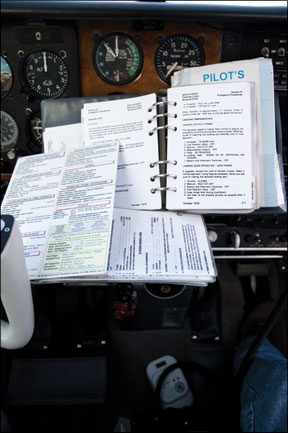
A wise old pilot once told me here are three distinct types of flying: simulator flying, checkride flying and typical everyday line flying. Although the context of this nugget was originally air carrier operations, there seems to be an innate understanding of this concept among all pilots. When administering flight reviews to experienced owner-pilots, I often get to see them on their "best behavior." Of course, flight reviews arent checkrides, but many pilots view them as such, especially if its been a while since their last "real" pass/fail flight. While somewhat flattering to me, its usually obvious which aspects of their behavior are part of their normal operation and which are a show put on for my benefit. Often, Ill see them whip out a ratty old checklist, dust it off and try to use it sequentially as a do-list. Almost comically, the effort comes across almost as awkward as a middle school dance: The desire is there, but they just dont seem to know what to do with it.

Key Takeaways:
- The article challenges the common "read-do" checklist method taught to pilots, explaining it often leads to distraction and misunderstanding of a checklist's purpose during normal operations.
- It advocates for the "do-verify" method, where pilots first perform actions using memorized "flows" based on cockpit layout and then use the written checklist to verify configuration, improving safety and efficiency.
- Exceptions exist for abnormal procedures (requiring a "read-do" approach) and emergencies (combining critical memory-item "flows" with subsequent "read-do" verification, always prioritizing flying the aircraft).
- The "do-verify" method is explicitly approved by FAA Practical Test Standards, promoting true professionalism and safety by integrating flows with checklists, despite some resistance from traditional instructors.
Key takeaways sponsored by Aviator Pro | Start Your Training ->
See a mistake? Contact us.

