













Register

Preflighting Your Prop

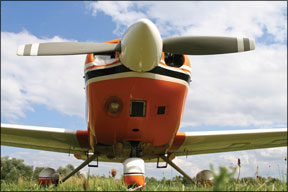
Unless youre among the small number of personal aircraft owners lucky enough to own a jet, your airplane has at least one propeller. It might be a fixed-pitch, metal or wooden affair, a multi-composite blade reversible spun by a turbine engine or one of the more ubiquitous constant-speed offerings from Hartzell or McCauley. And you might have more than one of them. No matter: Even a basic fixed-pitch model is a fairly expensive component, spinning away for hours on end, its tips approaching-in some cases exceeding-the speed of sound. If you have a constant-speed or full-feathering version, you also have a small collection of very expensive and specialized parts regularly subjected to massive forces. Contrast all that with what many pilots seem to think: A prop is a poorly designed handle with which to help move the airplane back in its hangar. In fact, according to the pros, treating your propeller like the critical component it is and lending it a little TLC every now and then can go a long way toward preventing costly maintenance. Or worse. The average propellers main enemy? Its not the wet-behind-the-ears private pilot who insists on using it to muscle the airplane in and out of the hangar. Its not even the guy who taxis over runway lights and into potholes while talking on a cell phone-more about him in a moment. Instead, prop shop managers and manufacturers reps tell us its aviations oldest bugaboo: corrosion. Look at just about any metal prop out on the tiedown line. Youll probably find its leading edge is rough, with small pits and-if it hasnt been painted recently-some whitish discoloration. Thats corrosion, and its slowly eating away at the prop.

Gemini Sparkle

Key Takeaways:

  • Aircraft propellers are critical, expensive components often neglected by pilots and subjected to massive forces.
  • The primary threats to propeller integrity are corrosion and nicks/gouges, which create stress points that can lead to blade cracks, in-flight failure, and severe damage.
  • Proper propeller care involves regular cleaning, corrosion prevention, prompt professional repair of damage, and careful attention during ground operations to avoid strikes.
  • Owners must adhere strictly to manufacturer-recommended maintenance intervals and seek specialized prop shops, as many general mechanics lack expertise in modern propeller technology.
See a mistake? Contact us.

Unless youre among the small number of personal aircraft owners lucky enough to own a jet, your airplane has at least one propeller. It might be a fixed-pitch, metal or wooden affair, a multi-composite blade reversible spun by a turbine engine or one of the more ubiquitous constant-speed offerings from Hartzell or McCauley. And you might have more than one of them. No matter: Even a basic fixed-pitch model is a fairly expensive component, spinning away for hours on end, its tips approaching-in some cases exceeding-the speed of sound.

288


Ready to Sell Your Aircraft?

List your airplane on AircraftForSale.com and reach qualified buyers.

List Your Aircraft
AircraftForSale Logo | FLYING Logo
Pilot in aircraft
Sign-up for newsletters & special offers!

Get the latest stories & special offers delivered directly to your inbox.

SUBSCRIBE