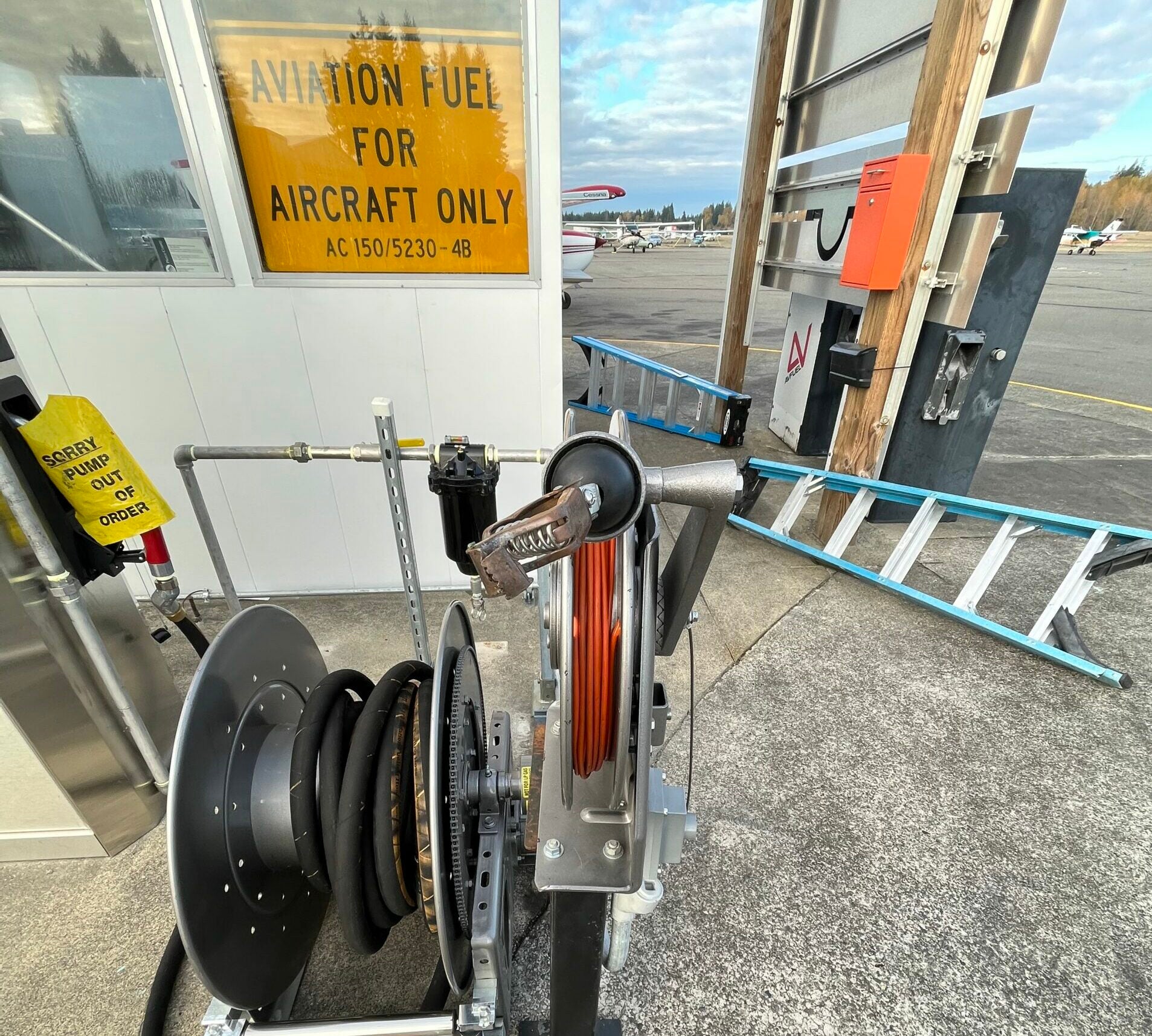
Airport managers and operations staff are in charge of making sure NOTAMs are issued advising the flying public of the temporary lack of fuel. [Credit: Meg Godlewski]
Key Takeaways:
Orlando International Airport (MCO) faced a potential jet fuel reserve shortage due to weather-delayed tanker delivery from the Gulf Coast, sparking social media concerns.
MCO officials confirmed they were not out of fuel and had not experienced a major impact on flight cancellations, though the delay affected reserve supplies.
The airport took proactive steps, including trucking in fuel and requesting airlines to carry extra fuel for flights arriving at MCO.
Airlines like United implemented contingency plans, such as adding planned fuel stops for some departing flights, to manage the situation and avoid major disruptions.
This NOTAM can cause a pilot to adjust their flight plan quicker than a building thunderstorm. It can also activate the rumor mill, resulting in waves of social media posts which may or may not be based in fact. This is particularly true when it involves jet-A and the impact that the lack of it can have on Part 121 commercial operations.
CREATE A FREE ACCOUNT
Sign up to keep reading
Create a free account to continue. Already a member? Sign in below.
Meg Godlewski has been an aviation journalist for more than 24 years and a CFI for more than 20 years. If she is not flying or teaching aviation, she is writing about it. Meg is a founding member of the Pilot Proficiency Center at EAA AirVenture and excels at the application of simulation technology to flatten the learning curve. Follow Meg on Twitter @2Lewski.