









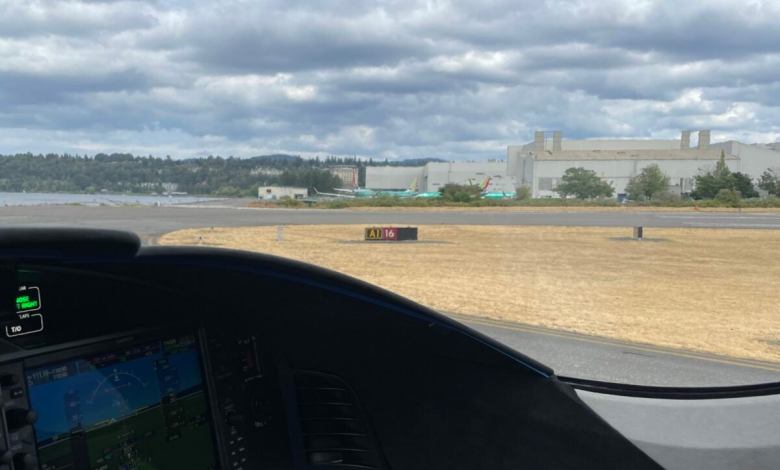
Ask FLYING: How Can I Get a Special VFR?
Here’s how to legally depart Class D airspace when the weather isn’t cooperating.


Here’s how to legally depart Class D airspace when the weather isn’t cooperating.
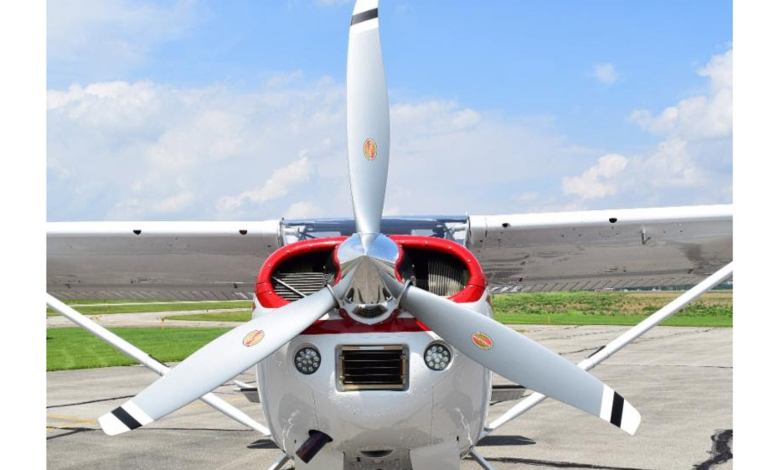
It is not just sharp propeller edges that can hurt you when the engine is off.
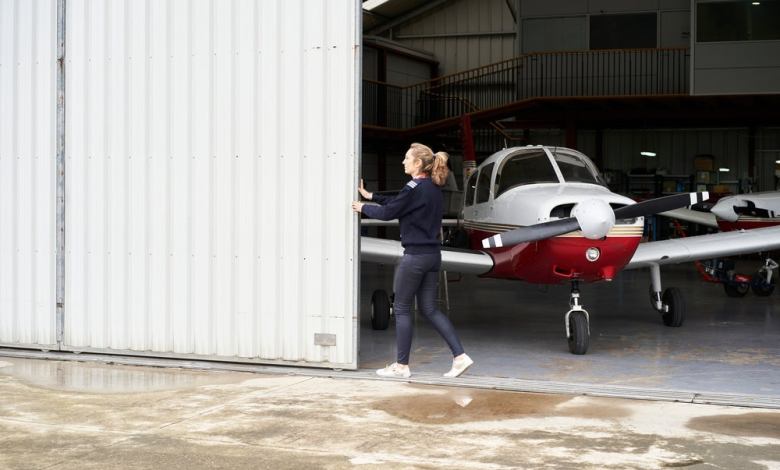
Economies of scale can give pilots more for their money.
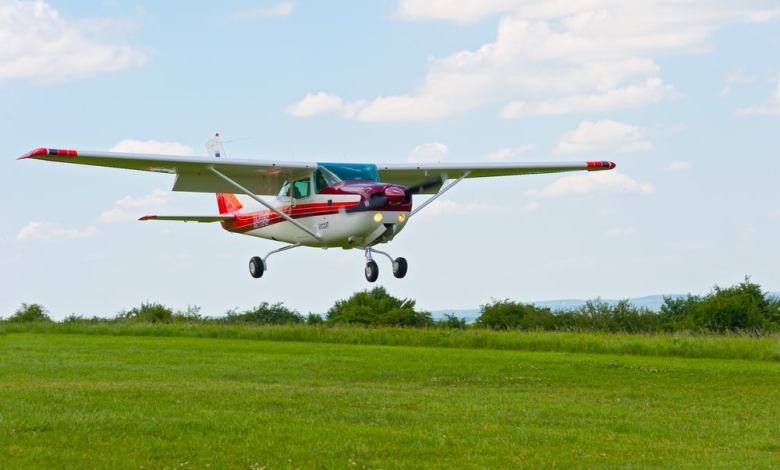
Avionics and other equipment can drive big variations in price.
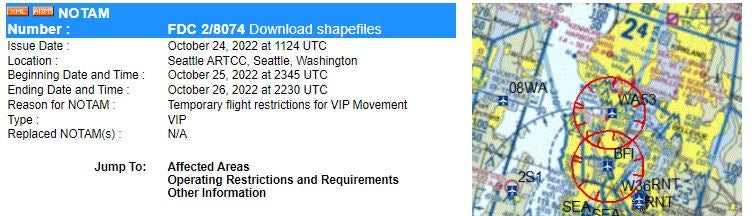
NOTAM ignorance does not excuse you from being responsible for their contents.
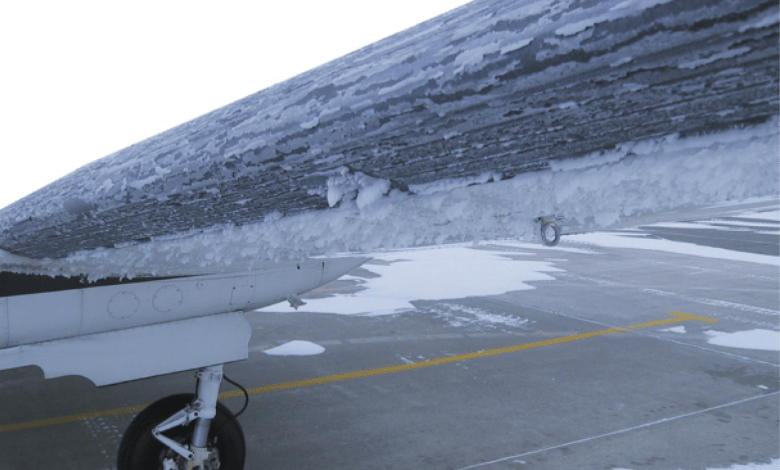
The abstracts below derive from ASRS reports on Inflight Weather Encounters involving IFR. They illustrate a variety of real-world IFR weather problems and solutions. If Mother Nature throws you a curve, something you learn here might help someday. The Icicle Twin An ATC supervisor in Boston Center asked a controller/pilot to assist with an emergency […]
Chances are you’ve looked over weather charts, whether at a dispatch office or on the Internet, and wondered how that pile of spaghetti becomes a forecast. Granted, with all the flight planning tools available and 24/7 access to a flight weather briefer, this is not something pilots need to know. Indeed many pilots find themselves […]

A pilot regains his FAA medical following a harrowing experience with a brain tumor.

The growth of commercial and government space operations result in more frequent TFRs near launch areas. Here’s how they compare to traditional TFRs.

What do you say to air traffic control when you’re ready to go?

Get the latest stories & special offers delivered directly to your inbox.
SUBSCRIBE