













Register

Southwest Weather

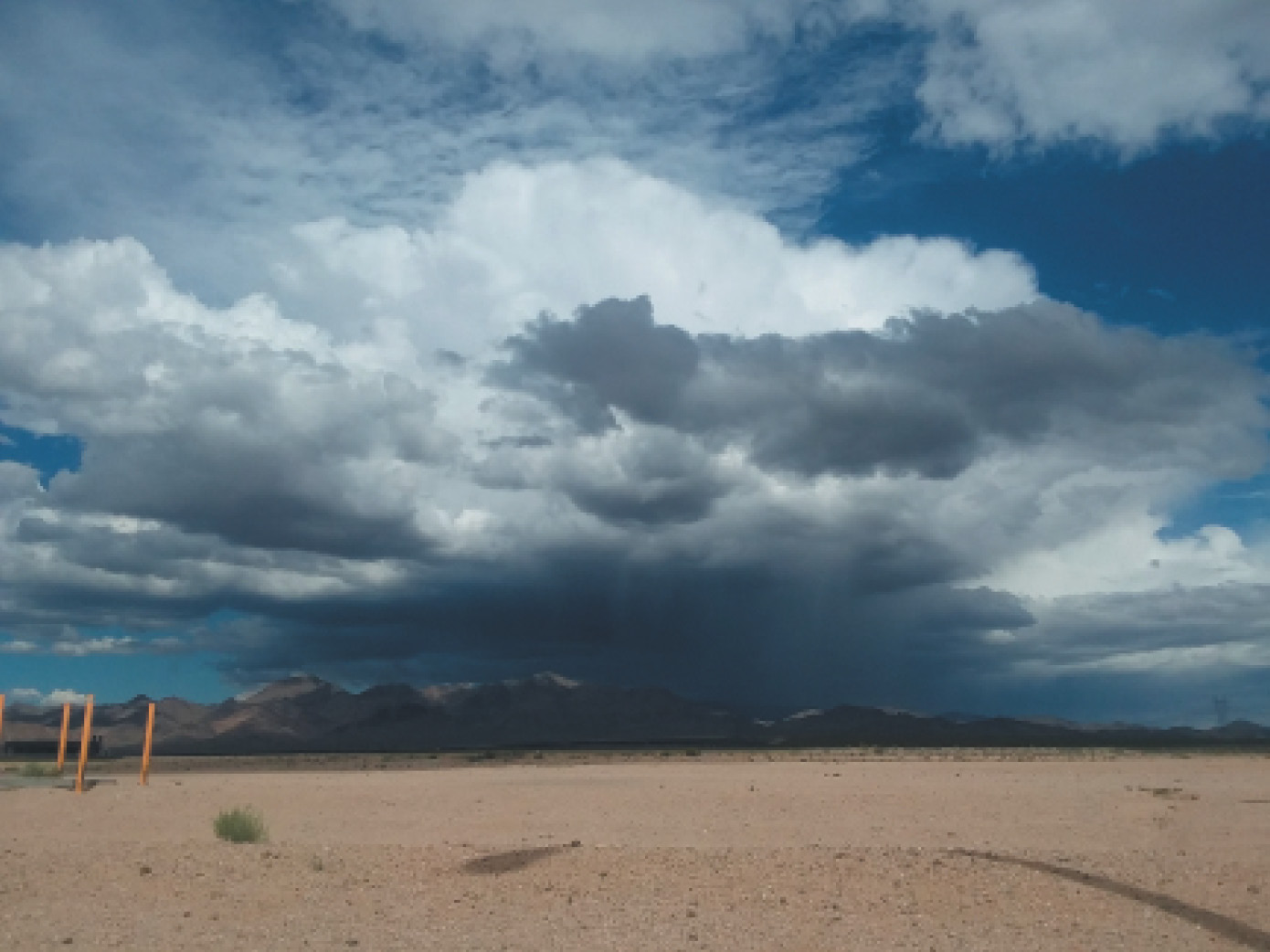
Southwest monsoon storms like this can pop up on the California-Nevada state line. Photo by the author.
Gemini Sparkle

Key Takeaways:

  • The Western United States offers excellent VFR flying but presents unique and complex weather challenges influenced by its diverse geography, including vast deserts, cold Pacific currents, the warm Gulf of California, and prominent mountain ranges.
  • Seasonal weather patterns dictate specific hazards: summer brings intense heating, high density altitude issues, monsoonal thunderstorms, dust storms, and coastal marine layer fog.
  • Autumn and winter are characterized by powerful Pacific frontal systems, often with atmospheric rivers, leading to widespread precipitation, while strong foehn winds (like Santa Anas) can cause turbulence and enhance fire conditions.
  • Persistent drought and climate change significantly increase wildfire risks, resulting in more frequent smoke, reduced visibility, and Temporary Flight Restrictions (TFRs) that pilots must actively monitor.
See a mistake? Contact us.

Without a doubt, the western United States offers the best VFR flying in the nation. This is partly why the military has its air combat training centers in Arizona, Nevada, and California. Most likely you’ve also done some cross-country trips in those areas and had no problems.

But this area is not without its hazards and peculiarities. The landscape and nearby oceans complicate the forecast picture, so when things go downhill, things can get quite difficult. Forecast models have always had difficulty factoring in these effects. And the effects of climate change have also brought with it some new flying problems which we’ll discuss later.


Ready to Sell Your Aircraft?

List your airplane on AircraftForSale.com and reach qualified buyers.

List Your Aircraft
AircraftForSale Logo | FLYING Logo
Pilot in aircraft
Sign-up for newsletters & special offers!

Get the latest stories & special offers delivered directly to your inbox.

SUBSCRIBE