









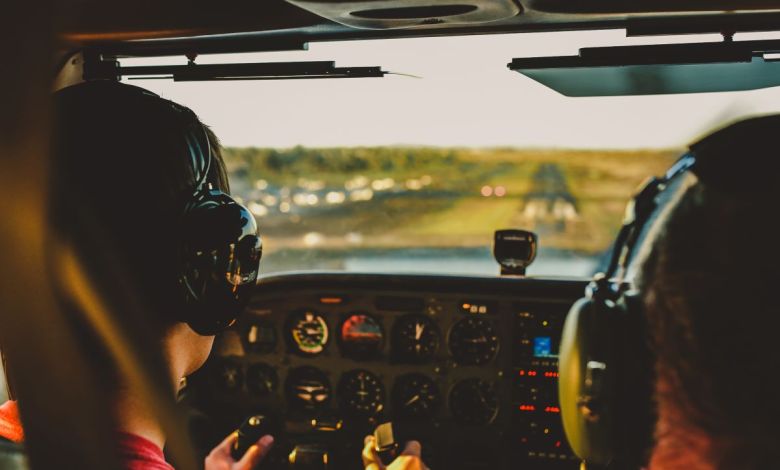
When Are Pilots the Most Dangerous?
Complacency can often get the best of you, so do your best to avoid it.


Complacency can often get the best of you, so do your best to avoid it.
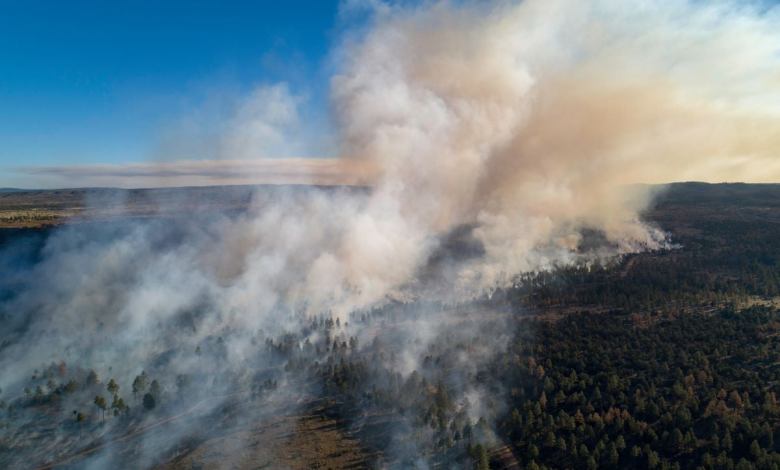
In times of wildfires, note where the fires are and which way the winds are blowing.
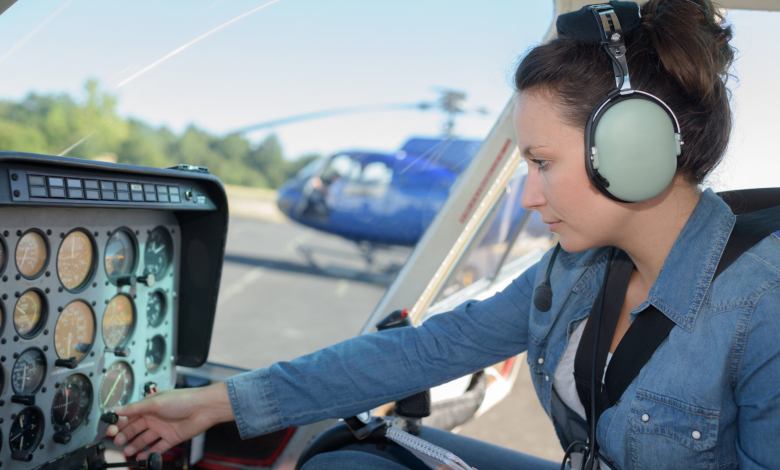
The main purpose is to ensure specific items are inspected correctly, and memorization never
hurts.
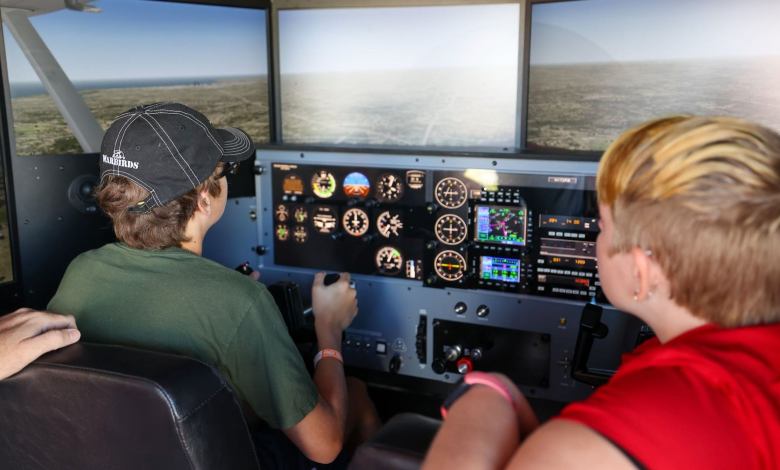
You may feel better on the medication, but you’ll fly worse.
Perhaps you’ve heard the term “nowcasting.” The American Meteorological Society defines this word as “a short-term weather forecast, generally for the next few hours.” Pilots from all backgrounds are likely to recognize the immense value of this topic. In this article, we’ll talk about some down-to-earth techniques for how to accomplish nowcasting, without a lot […]
Your flight is short—just over an hour. What could happen? A lot. Solid clouds can develop on the way and hunker down into low bases by the time you descend for the destination. If it’s misty underneath, visibility likes to swing from marginal to none. Well, that’s why missed approaches and alternates exist. Meanwhile, it […]
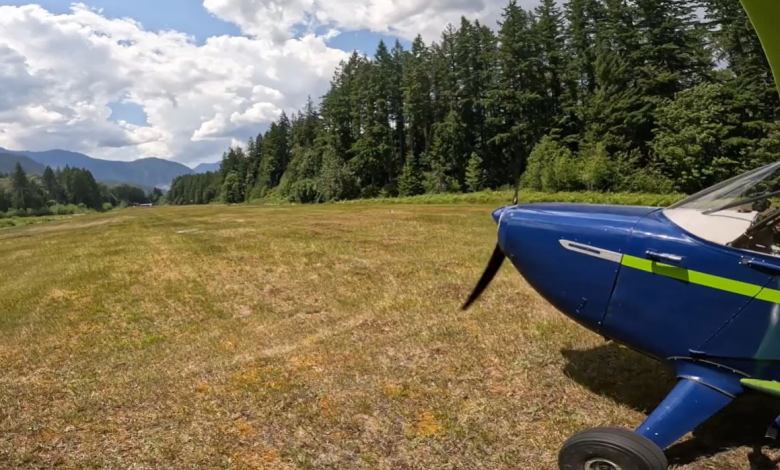
A professional pilot reviews short- and soft-field takeoffs and landings at three grass strips, and explains why the experience is important for those flying for airlines.
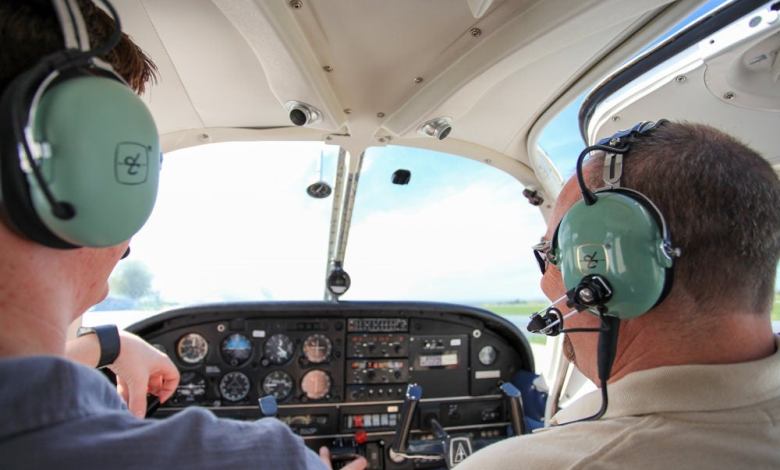
It’s important to verbally communicate the responsibilities before a flight.
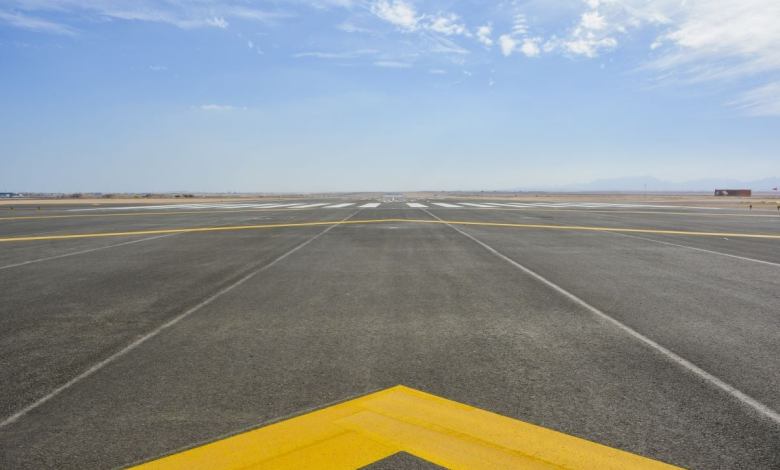
Tarmac pavement as it is known today was originally inspired by an accident outside a factory.
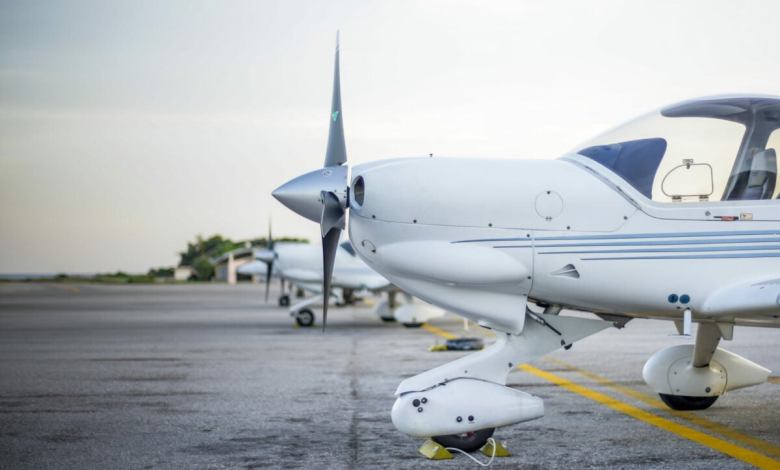
Without regular practice, skills can grow rusty.

Get the latest stories & special offers delivered directly to your inbox.
SUBSCRIBE