Register

Pilot Proficiency

Unusual Attitudes: A No-Excuses Screw-up

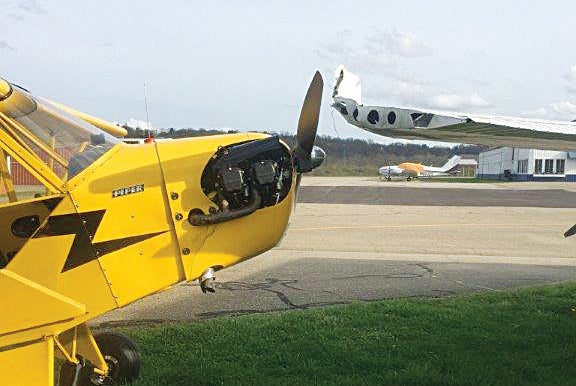
Whenever I start wondering if the well will run dry, I find myself embroiled in something so preposterous, spectacular, outrageous or dumb that it’s worth writing about. But I have to confess: I was less than proud about this latest escapade and made several attempts to explain it away as a minor, moderately embarrassing but […]

Read More »

Gear Up: Crossed Paths Writ Large

I didn’t know Irving Smith all that well, but I learned an awful lot at his funeral. As my wife, Cathy, and I huddled with other mourners beneath a tent stretched above to shield us from the heat, I heard of Irving’s years in the Navy and his subsequent service for 25 years as an air traffic […]

Read More »

Dogfight: The Great ACS Debate

A Change for the Better The ACS will save lives, making situational awareness a habit. By John King/Flying He was leaving from a job in his beloved Cessna Cardinal. He took off from a remote airport on a dark night. Light snow was falling. He did not make it home. He had simply exceeded his […]

Read More »

How to Manage Automation and Handle the Unexpected

Modern commercial aviation marvels us daily with its enviable safety record. Pioneers such as Donald Douglas, William Boeing and Dutch Kindelberger pursued passionately the operational consistency and reliability we see today as the world of commercial aviation continues to improve upon its stellar safety record with each passing year. The ultimate achievement? A virtually accident-free […]

Read More »

How It Works: Magneto

A quick turn of the key is all a pilot usually needs to start the engine and go, but have you ever wondered what’s really going on beyond the fire wall to excite those spark plugs? The aircraft components that make it happen, of course, are the magnetos — simple and highly reliable electrical generators. […]

Read More »

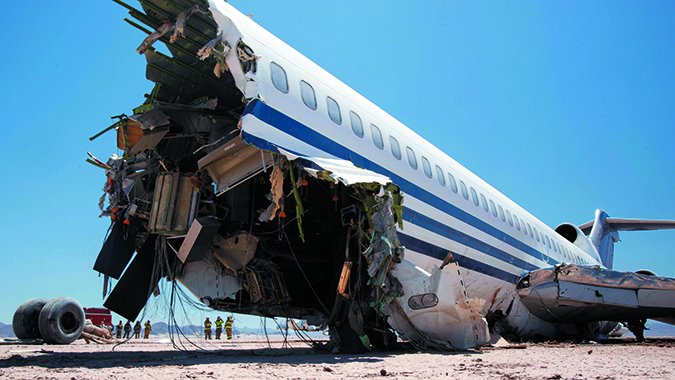
Aftermath: Indecision Leads to Tragedy

It was a warm spring day at Flagstaff. The wind was down Runway 21 at 16 knots with gusts to 22. The density altitude at the airport, 7,000 feet above sea level, was 9,000 feet; but that would not be a problem for the lightly loaded A36 Bonanza that taxied away from the FBO a […]

Read More »

I Learned About Flying From That: Hazardous Habits

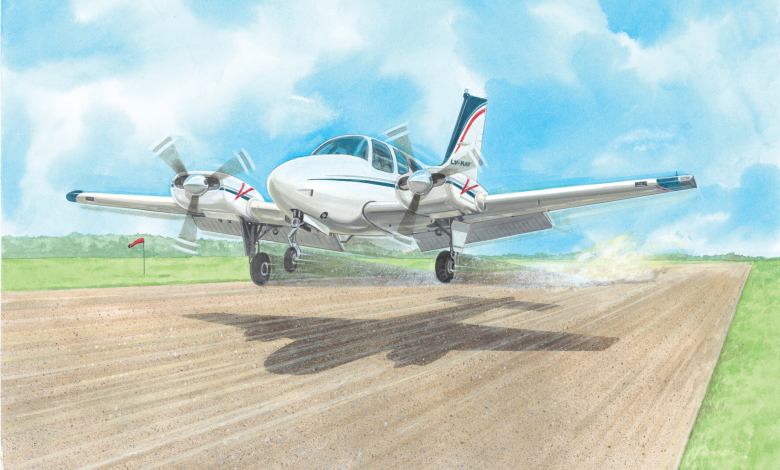
It was a sunny Friday afternoon as I gathered my friends at our usual meeting point, the local airport coffee shop. We were off for a weekend of fun and leisure after a long week at the office. We departed San Fernando International Airport in the city of ­Buenos Aires, Argentina, in a 1980 Baron B55 and […]

Read More »

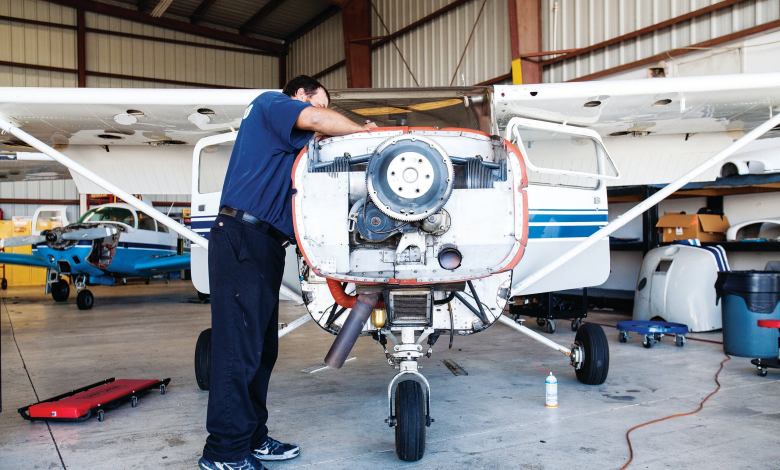
How to Make Your Engine Last

If you want to ensure your engine has the best chances of reaching TBO and beyond, here’s advice that could end up saving you big time: Stop listening to all the supposed “experts” in airport coffee shops and online forums who claim they know it all. There’s a good chance they don’t — and the […]

Read More »

Using Standard Operating Procedures in General Aviation

Some users of the National Airspace System live by Standard Operating Procedures (SOPs), and some do not. This is arguably the most significant difference between air carriers and general aviation when it comes to training, testing, and cockpit cultures. This is also, by some measures, a factor in accounting for the differences in accident rates. General aviation, particularly the single-pilot, personal-flying kind, relies not on the use of SOPs, but basic personal minimums for aeronautical decision making.

Read More »

Reading the Sky

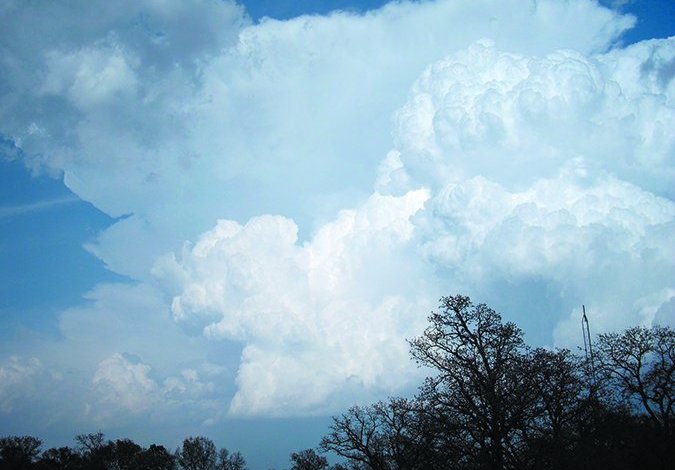
A cloud is the visible manifestation of liquid water droplets or ice. It forms when humid air cools sufficiently for water vapor to saturate and produce condensation-the dewpoint temperature. On a dry summer day in California, this temperature might be 20 degrees F, and the weather remains clear. On more humid summer days in California, the cloud formation temperature might be 50 degrees, producing morning clouds along mountain peaks. When air is chilled to the dewpoint, the humidity becomes 100 percent and from the texts we expect saturation to occur. But in real life this doesnt always happen. If a given volume of air doesnt contain condensation nuclei-microscopic bits of dust, pollen, etc.-the relative humidity may exceed 100 percent without producing clouds. But for the most part, this relationship between temperature and dewpoint is correct.

Read More »
Pilot in aircraft
Sign-up for newsletters & special offers!

Get the latest stories & special offers delivered directly to your inbox.

SUBSCRIBE