












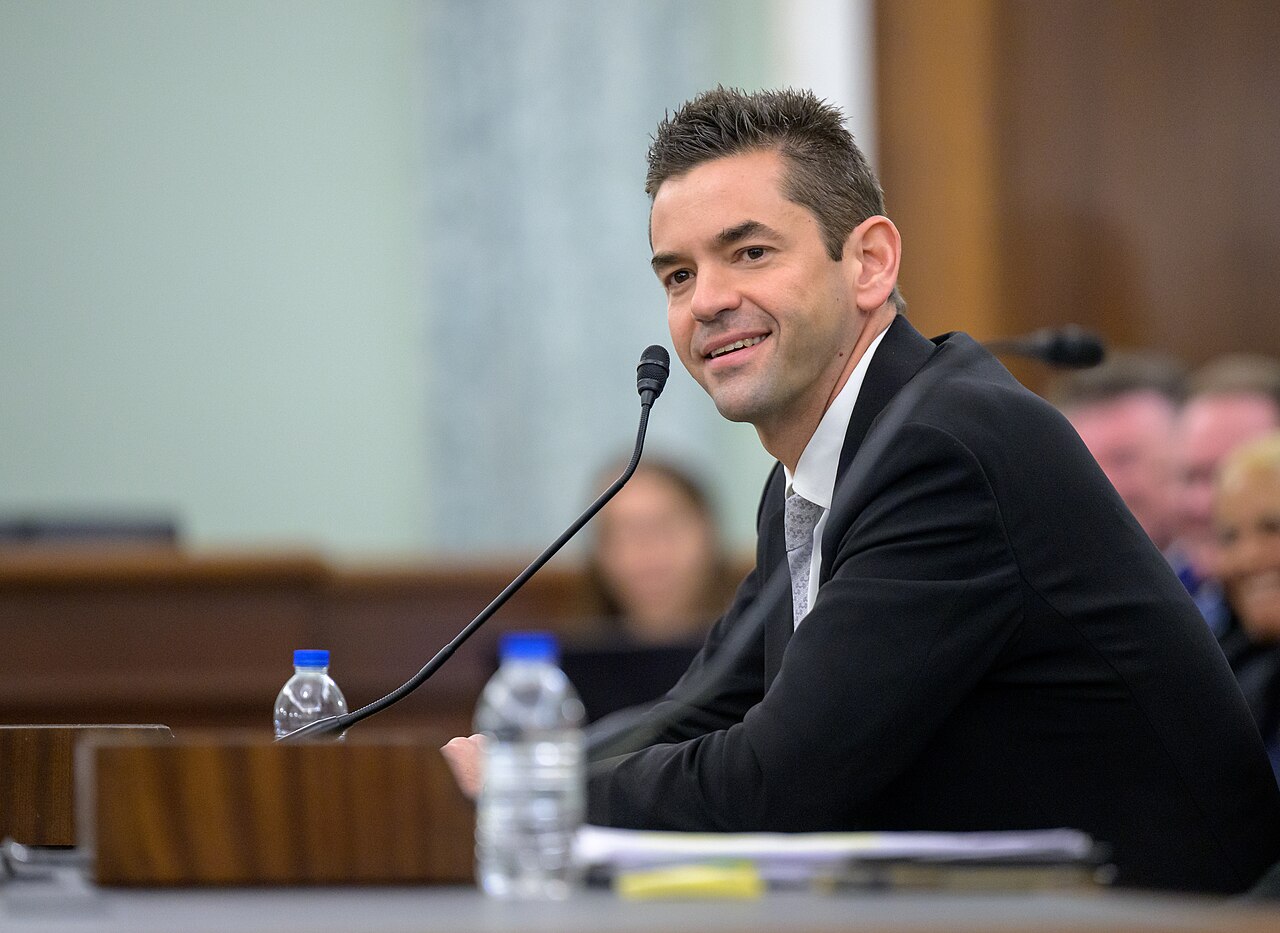


A coalition of space science and exploration advocates says it is “ready to work” with Jared Isaacman—President Donald Trump’s nominee to be the next NASA administrator—should he be confirmed.
Isaacman, the founder of Shift4 Payments and a private astronaut who has commanded two SpaceX missions, was renominated by Trump earlier this month after the White House removed him from consideration in May, just days before his scheduled confirmation hearing. Though some lawmakers raised concerns about his ties to SpaceX CEO Elon Musk and plans for lunar and Mars exploration, Isaacman was expected to receive bipartisan support.

Following his renomination, stakeholders are once again backing Isaacman. Earlier this month, the Commercial Space Federation—which represents launch industry titans like SpaceX and Blue Origin and emerging players such as Axiom Space—republished its letter of support for the Shift4 founder.
On Thursday, he earned praise from another critical group: the space science community. The Save NASA Science coalition—an effort led by The Planetary Society to oppose proposed cuts to NASA’s science programs—congratulated Isaacman on his renomination and expressed hope that he could protect programs such as Mars Sample Return or the Juno Jupiter probe.
Per The Planetary Society, these projects are among 19 that face significant downscaling or outright cancellation under Trump’s fiscal year 2026 budget request, which instead emphasizes human space exploration, particularly to Mars. Current and former NASA employees and space industry groups—including The Mars Society, another member of Save NASA Science—have decried the proposed cuts.
Per the Planetary Society, the budget’s 24 percent reduction to NASA’s top-line funding would be the largest single-year decline since the Apollo era. The group considers it an “existential threat” to space science.
“Mr. Isaacman is an outspoken proponent for space exploration and the role of NASA in driving the space research enterprise, and has publicly stated his interest in accelerating the pace of science missions,” Save NASA Science wrote in a statement. “We stand ready to work with the NASA Administrator and their leadership team to accelerate scientific discovery, protect American leadership in fundamental research, and inspire the next generation of doers.”
Isaacman’s Vision
Isaacman has recently come under scrutiny following the leak of “Athena,” a blueprint he devised earlier this year that outlines his priorities for NASA.
The document reportedly called for the adoption of a “science-as-a-service” philosophy, whereby NASA would purchase space science data from the private sector rather than launch and oversee its own missions. Isaacman refuted that characterization, saying the model was proposed only for Earth observation data.
The Shift4 founder also said he “never even remotely suggested” to do away with NASA’s Jet Propulsion Laboratory or other science hubs, contradicting reporting from Politico.
“Personally, I have publicly defended programs like the Chandra X-ray Observatory, offered to fund a Hubble reboost mission, and anything suggesting that I am anti-science or want to outsource that responsibility is simply untrue,” he said in a post on social media.
Isaacman has softly criticized Trump’s requested cuts to NASA science programs, telling Senators in April that they “do not appear to be an optimal outcome.” Among the priorities in Athena, he said, is making NASA a “force multiplier for science.” However, he has not outright opposed the budget request.
Now that he is officially back in the running for NASA Administrator, Isaacman will likely have the opportunity to further clarify his vision for lawmakers, advocates, and the space industry in a fresh hearing.
“We reiterate the need to maintain steady funding to develop and operate flight projects that answer critical scientific questions, address the workforce crisis through improved communication and institutional support, and ensure future discoveries are made possible by investing in scientific research and STEM education,” said Save NASA Science.

