











In that vast wasteland we call television, a clever commercial has been making the rounds lately. It depicts a hapless sad sack in a crumpled white suit bumbling through a nighttime cityscape setting off fires, floods and other assorted mayhem. The catchline is “risk never sleeps.” It sure enough doesnt, but the other essential element of accidents is opportunity. Consider this: In two years time, Cirrus Design will have sold more than 1000 turbocharged SR22s, each capable of effortless cruise in the mid-20s. 288
My Payne Stewart Moment
In that vast wasteland we call television, a clever commercial has been making the rounds lately. It depicts a hapless sad sack in a crumpled white suit bumbling through a nighttime cityscape setting off fires, floods and other assorted mayhem. The catchline is "risk never sleeps." It sure enough doesnt, but the other essential element of accidents is opportunity. Consider this: In two years time, Cirrus Design will have sold more than 1000 turbocharged SR22s, each capable of effortless cruise in the mid-20s. The risk, of course, is hypoxia, and 1000 airplanes is enough opportunity to give an insurance executive ulcers.
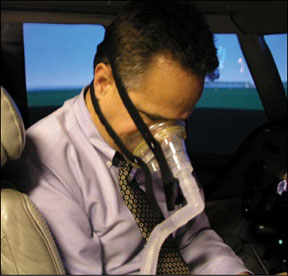

Key Takeaways:
- Hypoxia is a critical and increasing safety risk for pilots flying high-altitude aircraft, with current training often being insufficient.
- "Hypoxia awareness training," which uses reduced oxygen breathing at sea level, is proposed as a potentially more effective method for pilots to recognize early symptoms.
- A major challenge in hypoxia awareness is overcoming pilots' natural tendency towards task-orientation and denial, making recurrent training crucial to reinforce decisive action and prevent pilots from ignoring severe symptoms.
Key takeaways sponsored by Aviator Pro | Start Your Training ->
See a mistake? Contact us.

