











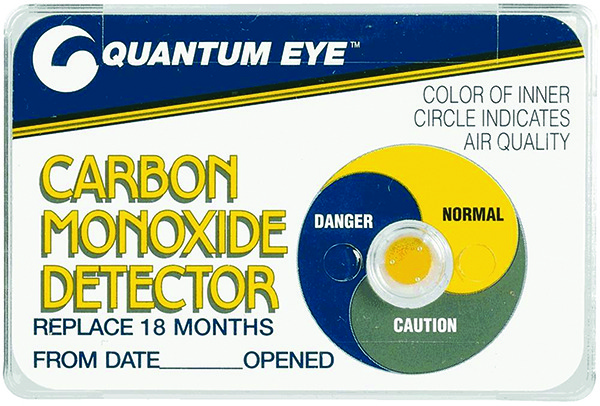


A functional carbon monoxide (CO) detector to alert a pilot through visual and auditory means to the presence of CO before the pilot’s judgment is impaired is necessary to the continued safe operation of the aircraft.” So said the NTSB in a December 2021 Aviation Investigation Report, AIR-22-01, “Require Carbon Monoxide Detectors in Certain General Aviation Aircraft.”
The report revisits NTSB recommendations dating at least as far back as 2004 for the FAA to “require the installation of CO detectors that quickly and distinctly alert pilots to the presence of CO in all single-engine, reciprocating powered airplanes with forward-mounted engines and enclosed cockpits.” In response to the 2004 recommendations, according to the NTSB, the FAA “stated that it would not require the use of CO detection devices because CO poisoning is due to the failure of an exhaust system, and, therefore, the lack of a CO detector on its own does not constitute an unsafe condition.” The FAA’s response also included researching CO poisoning detection technology, reviewing international standards and updating its TSO on CO detectors to include the most recent standards.

