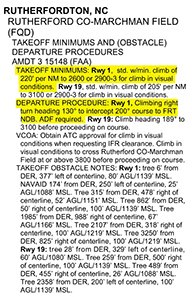
For some, the shoulder seasons mean ideal flying weather - crisp spring and fall mornings with great visibility, often under a stable ceiling. These conditions offer fantastic climb performance, and the lack of bugs splattered all over the windshield is a plus. Morning fog, too, is pretty to look at, although it sure puts a damper on early-bird departures.
Under Part 91, pilots can legally attempt takeoffs in low visibility conditions (often called "zero-zero"), a distinction from Part 121/135 operations which have explicit obstacle clearance procedures.
Attempting takeoffs in extremely low visibility (e.g., 1/4 mile with a 100-foot vertical visibility) poses significant risks, including maintaining centerline, managing instrument scans during acceleration, potential disorientation (somatogravic illusion), and severe consequences for in-flight emergencies.
Despite the legality, pilots must prioritize personal comfort, thoroughly evaluate "what if" scenarios (like engine failure or runway obstacles), and assess their own proficiency for such demanding conditions.
The article suggests that patience and sound decision-making, often leading to a delay for improved weather, is a safer and ultimately more beneficial approach than rushing a low-visibility departure.
For some, the shoulder seasons mean ideal flying weather – crisp spring and fall mornings with great visibility, often under a stable ceiling. These conditions offer fantastic climb performance, and the lack of bugs splattered all over the windshield is a plus. Morning fog, too, is pretty to look at, although it sure puts a damper on early-bird departures.
CREATE A FREE ACCOUNT
Sign up to keep reading
Create a free account to continue. Already a member? Sign in below.