













Register

Military Training vs. GA

The equipment is different, sure, but so is the standardization, pressure to excel and the adult supervision. 

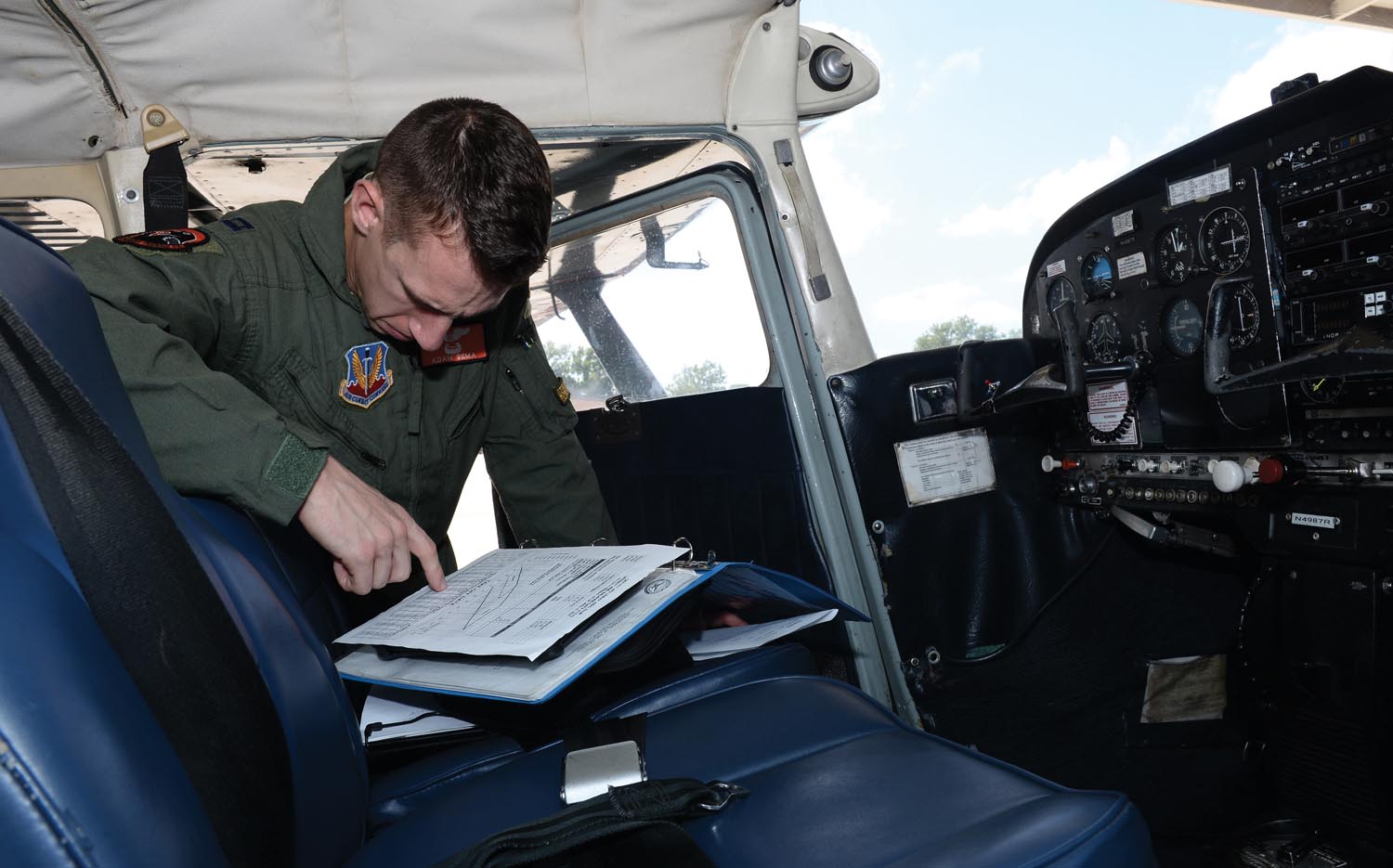
USAF Capt. Adam Sema, 338th Combat Training Squadron student pilot, reviews the takeoff data sheet of a Cessna 172F at the LeMay Aero Club on Offutt Air Force Base, Nebraska. The club offers in-person group study and assists trainees with online course work to become certified pilots. (U.S. Air Force photo by Charles J. Haymond)
Gemini Sparkle

Key Takeaways:

  • Military flight training is characterized by extreme standardization, precision, and intense, compressed syllabi, where deviation from exact parameters (e.g., airspeed, altitude) is strictly penalized.
  • Former military pilots transitioning to civilian general aviation (GA) often face challenges adapting to different aircraft characteristics, such as slower landing speeds, which can lead to difficulties like bounced landings if they apply jet-style techniques.
  • Civilian flight training is less standardized, with varied instructor approaches and often a slower pace, which can sometimes lead to fundamental issues being overlooked and requires greater student initiative for thorough learning.
  • Despite differences in training methodologies, the article emphasizes that core principles like precision, thorough emergency procedure review, and constant vigilance are universally critical for aviation safety.
See a mistake? Contact us.

Back when I was a pilot in the U.S. Air Force, people would sometimes ask me, “What’s it like to fly?” A better question would have been, “What’s it like to fly in the civilian world?” Then I would have known the answer, and could’ve puffed out my pilot chest and answered confidently, “I have no idea.” I only had USAF flight experience until I morphed from my green caterpillar flight suit into a civilian butterfly/pilot. This metamorphosis involved me starting from scratch, or ab initio, in a Cessna 172. Ab initio, of course, is Latin for “dangerous student pilot who does sit-ups.”

When coming from the military, the FAA doesn’t care about two-engine, four-engine or even eight-engine jet time. (B-52 bomber pilot on a go-around: “Everybody grab a throttle! We’re going around!”) I found out the FAA doesn’t allow military pilots to fly a 172—even if they have a multi-engine ATP certificate—until they add single-engine privileges. Who knew?


Ready to Sell Your Aircraft?

List your airplane on AircraftForSale.com and reach qualified buyers.

List Your Aircraft
AircraftForSale Logo | FLYING Logo
Pilot in aircraft
Sign-up for newsletters & special offers!

Get the latest stories & special offers delivered directly to your inbox.

SUBSCRIBE