

Register

Pilots Must Embrace the ‘What-If’ Philosophy

Master instructor instilled importance of preparation and trusting your training.

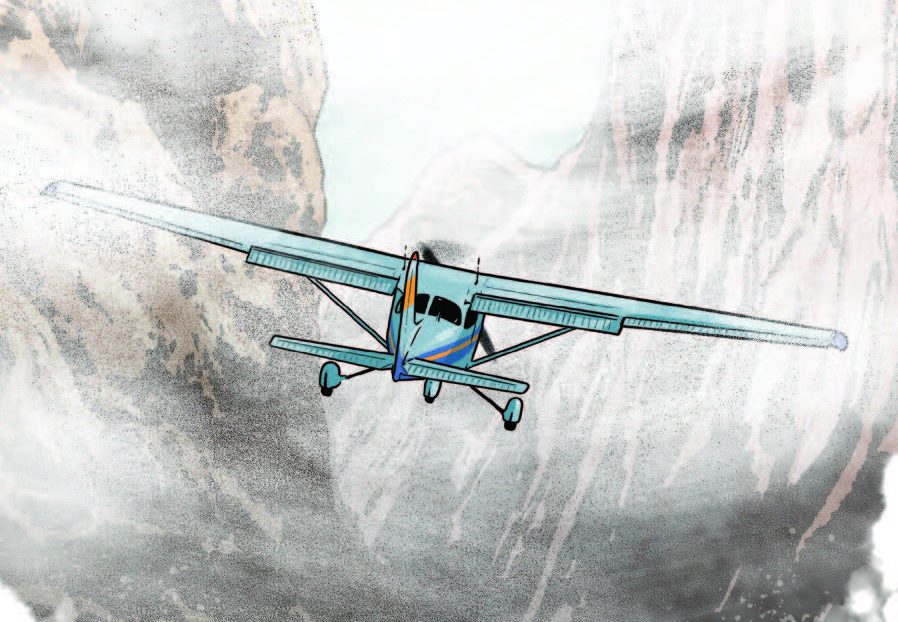
Looking back, I realize that my first flight instructor wasn’t merely teaching procedures. He was teaching a way of thinking. [Image: Joel Kimmel]
Gemini Sparkle

Key Takeaways:

  • Rigorous flight training that emphasizes "what-if" scenarios and trusting cockpit instruments over bodily sensations is vital for surviving real emergencies.
  • The pilot in command bears ultimate responsibility for flight safety and must maintain the authority to say "no," regardless of the status or demands of passengers.
  • Surviving aviation crises depends on mastering and repeatedly practicing fundamental skills so they can be executed calmly under extraordinary stress.
See a mistake? Contact us.

The phone rang unexpectedly one day. The voice on the other end was 97 years old. “Verlyn, how are you doing?” It was Lyle Hamel.

More than 35 years had passed since he had instructed me, yet he still remembered me. That was the kind of person he was. He cared about people long after they left his airplane. Most flight instructors teach students how to pass a check ride. Hamel taught students how to survive.


Veryln Benson

Verlyn Benson is a retired university administrator who spent 12 years leading collegiate aviation programs at Andrews University in Berrien Springs, Michigan. A private pilot and longtime AOPA member, he and his wife, Anita, live in Crescent City, California.

Ready to Sell Your Aircraft?

List your airplane on AircraftForSale.com and reach qualified buyers.

List Your Aircraft
AircraftForSale Logo | FLYING Logo
Pilot in aircraft
Sign-up for newsletters & special offers!

Get the latest stories & special offers delivered directly to your inbox.

SUBSCRIBE