













Register

Managing Aviation Load

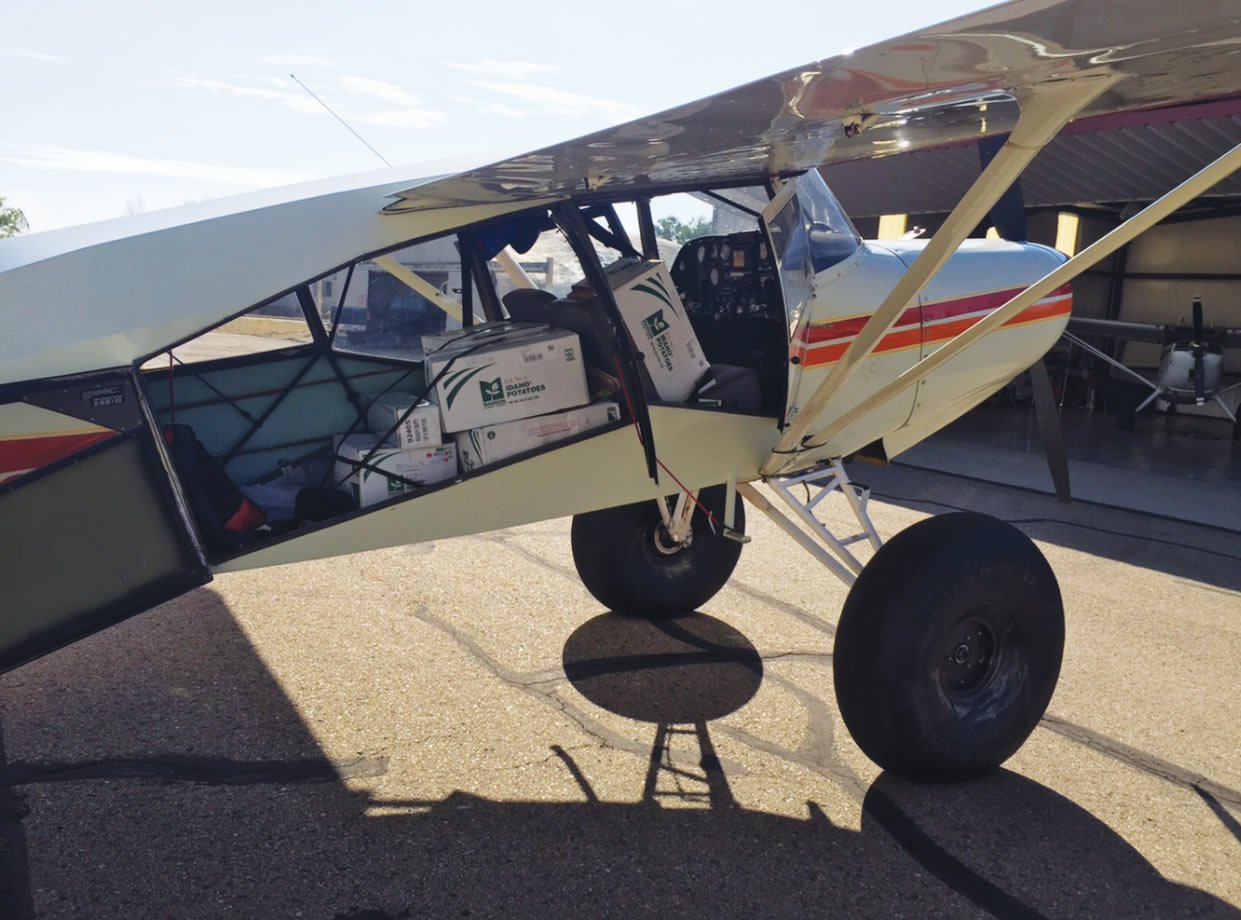
I often verbalize the last item on my preflight checklist just before taxiing onto an active runway and ask, aloud, How could this flight kill me? I run through all the Big Stuff in my mind, mentally ticking off each item that meets the criterion from an imaginary checklist. Its similar to the FAAs PAVE model- Pilot, Aircraft, environment and External pressures-but theres also a factor that doesnt quite fit the acronym: the payload. Call it PAVE-Load, or LPAVE.

Gemini Sparkle

Key Takeaways:

  • Pilots should expand their preflight risk assessment, using a "PAVE-Load" approach, to proactively consider how payload (cargo and passengers) could introduce novel hazards to a flight.
  • Meticulous planning for cargo is essential, focusing on secure loading to prevent shifting, visualizing potential in-flight issues like leaks or projectiles, and understanding specific regulations for unusual or hazardous materials.
  • Passengers, as "sentient cargo," require specific pre-flight consideration for their unique needs, potential interference with controls, emergency preparedness, and the necessary safety equipment tailored to the flight's environment and conditions.
See a mistake? Contact us.

I often verbalize the last item on my preflight checklist just before taxiing onto an active runway and ask, aloud, “How could this flight kill me?” I run through all the Big Stuff in my mind, mentally ticking off each item that meets the criterion from an imaginary checklist. It’s similar to the FAA’s PAVE model— Pilot, Aircraft, environment and External pressures—but there’s also a factor that doesn’t quite fit the acronym: the payload. Call it PAVE-Load, or L’PAVE.


Ready to Sell Your Aircraft?

List your airplane on AircraftForSale.com and reach qualified buyers.

List Your Aircraft
AircraftForSale Logo | FLYING Logo
Pilot in aircraft
Sign-up for newsletters & special offers!

Get the latest stories & special offers delivered directly to your inbox.

SUBSCRIBE