











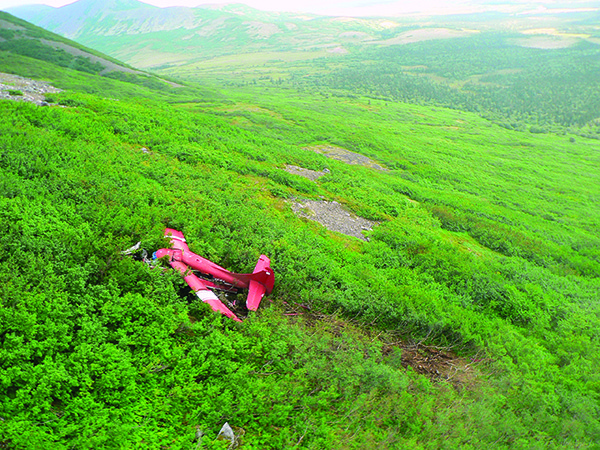


If you’re not familiar with Alaskan aviation, an analogy might be to compare it to operations in the Lower 48, but with more weather and terrain, and fewer paved airports. Because general aviation often is literally the only transportation available, external pressures to complete a proposed flight can be much greater. Predictably, the accident rates for both Part 91 and Part 135 operations are higher. And when it comes to aeronautical decision-making, one of the predominant myths associated with Alaskan aviation safety is that commercial accidents most commonly occur here because a young, inexperienced pilot from the Lower 48 was in the cockpit. Regardless of what the data reveals—in the last decade, the average PIC flight time for Part 135-involved accidents was about 9500 hours—the myth persists that pilot inexperience is at the root of poor decision-making.
A deeper look behind two accidents that are striking in their similarity, however, shows pilots with vastly different flight time can still find themselves in the same tragic circumstances. The crashes of Wings of Alaska and Taquan Air Service, which occurred in the same region three years apart, are an object lesson in why the root causes of Alaska’s chronically high accident statistics are much more complex than they appear.

