











Pilots like to talk about speed and how fast they fly, often to the exclusion of other aircraft characteristics; its fun to go fast, no doubt. Witness how many aviators seek out the fastest flivver their finances can support. But the ability to power up to cruise, trim for speed, engage the autopilot and start fiddling with an iPod requires far less skill and hand-flying ability than working at the lower end of 288
Low And Slow
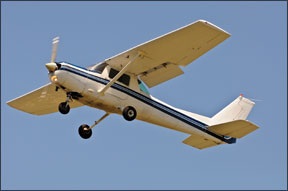
Pilots like to talk about speed and how fast they fly, often to the exclusion of other aircraft characteristics; its fun to go fast, no doubt. Witness how many aviators seek out the fastest flivver their finances can support. But the ability to power up to cruise, trim for speed, engage the autopilot and start fiddling with an iPod requires far less skill and hand-flying ability than working at the lower end of the airspeed dial. And we dont learn much at the top of the green. Demonstrating slow-flying skills takes up part of our training time; slow flying is an item in the FAAs Practical Test Standards for sport pilot certificates on up.

Key Takeaways:
- Pilots often neglect slow-flight skills after initial training, yet proficiency in maneuvering an aircraft at low airspeeds (just above stall speed) is critical for aviation safety.
- Stall/spin accidents are disproportionately fatal, often occurring during low-speed phases like maneuvering, takeoff, and approach; competent slow-flying skills are the primary defense against inadvertent stalls.
- Maintaining slow-flight proficiency involves deliberate practice of managing the aircraft at minimum controllable airspeed, including gentle maneuvers, configuration changes, and power adjustments, ideally at a safe altitude.
Key takeaways sponsored by Aviator Pro | Start Your Training ->
See a mistake? Contact us.

