











Register

London City Airport New Control Tower Has Backups
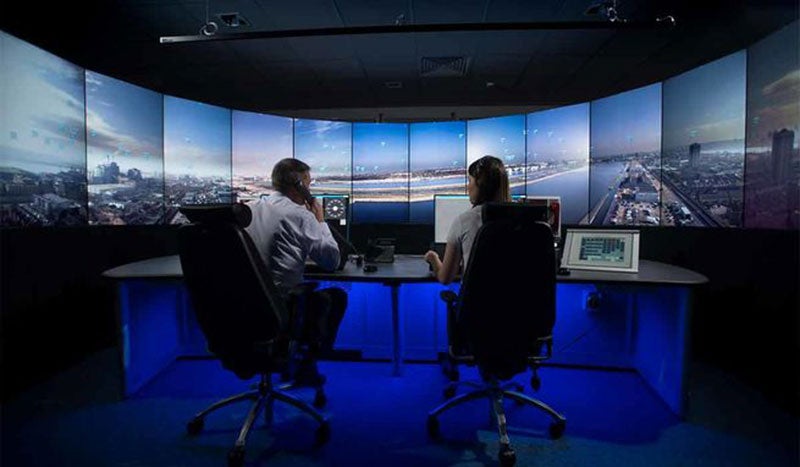
NATS announces new safety measures to protect ATC data. NATS
Gemini Sparkle

Key Takeaways:

  • London City Airport (LCY) is transitioning to a remote digital air traffic control (ATC) tower, where controllers will operate 80 miles away using high-definition camera feeds and remote data.
  • Due to LCY's status as one of Europe's busiest single-runway airports, NATS is implementing unique and extensive data safety measures, including dedicated secure data pipes for video feeds with minimal delay.
  • The system features robust backup protocols for hardware failures (screens, cameras) and maintains traditional radio and radar as a comprehensive fallback in case of a full digital system outage.
See a mistake? Contact us.

News that London’s busy City Airport (LCY), a single-runway facility on the east side of the city near Canary Wharf is in line for a new digital control tower isn’t really fresh news. But the backup and security measures being taken by NATS, the UK’s ATC provider, to protect the data feeds that will soon drive the new tower are rather unique. NATS is taking the extra steps because, unlike other digital facilities operating around the world, LCY is one of the busiest single-runway airports in Europe.

LCY’s new control tower and ATC personnel won’t actually be located on the airport any longer. They’ll actually be 80 miles away in a NATS building in Shanwick that already houses other ATC functions. A system of 14 high definition cameras at the airport will feed the remote ATC operation at LCY, as well as remote radios and radar feeds. London City controllers will direct traffic by looking at any of the 14 HD screens in the control room in Shanwick.

NATS announced the additional data safety measures to ensure there’s no loss of safe separation between arriving and departing aircraft. For instance, because controllers depend on the video feeds from the airport’s cameras, the data are being sent through dedicated secure pipes that create less than a one-second delay to the HD displays in the control room.

If any of the HD displays in the control room should fail, the system will work around the bad screen and offer controllers the best view possible on the remaining 13. Replacing a dead screen takes just 10 minutes. Should a camera fail, backups will jump into action to fill the gap. And of course, if the entire digital display system should fail, controllers still have radios and radar to fall back on, much like they do now when London’s nearly impenetrable fog covers the airport. The new LCY ATC facility is scheduled to open in January 2020.

Rob Mark

Rob Mark is an award-winning journalist, business jet pilot, flight instructor, and blogger.

Ready to Sell Your Aircraft?

List your airplane on AircraftForSale.com and reach qualified buyers.

List Your Aircraft
AircraftForSale Logo | FLYING Logo
Pilot in aircraft
Sign-up for newsletters & special offers!

Get the latest stories & special offers delivered directly to your inbox.

SUBSCRIBE



