











Off-airport landings are a perennial subject whenever pilots get together, and rightly so. Among the topics inevitably coming up will be whether or not to land on a paved road. After all, you probably took off from pavement; why not try to land on it, too, that too-quiet engine in front of or beside you notwithstanding? We last looked at this overall topic in our December 2006 issue. In that article, we 288
Landing On Roads?
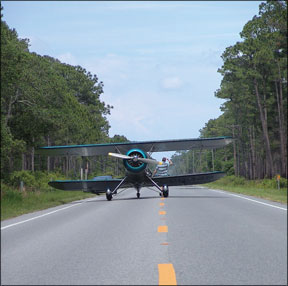
Off-airport landings are a perennial subject whenever pilots get together, and rightly so. Among the topics inevitably coming up will be whether or not to land on a paved road. After all, you probably took off from pavement; why not try to land on it, too, that too-quiet engine in front of or beside you notwithstanding? We last looked at this overall topic in our December 2006 issue. In that article, we basically concluded theres no free lunch: While a paved road may offer the smoothest, most-familiar surface, it also poses a set of problems others may not-like wires, cars, signs, utility poles and other things you may or may not see before hitting them. While you should be able to spot vehicular traffic and avoid it (presuming one or more drivers dont do something dumb, which isnt always a safe presumption), spotting wires, roadside signage and the odd telephone pole from the air isnt the easiest thing to do. If you dont believe us, try it the next time youre out committing aviation. Dont forget youll be a bit distracted and may not have much time dealing with a real emergency: troubleshooting, cinching belts, calming passengers and performing all the other tasks required after the airplane soils the bed.

Key Takeaways:
- While paved roads may appear to be an ideal surface for emergency landings, they pose significant, often unseen hazards like wires, poles, signs, and vehicular traffic.
- The primary goal in an emergency landing is occupant survival, which is best achieved by minimizing damage to the passenger compartment through slow, steady deceleration.
- Other surfaces such as vacant fields, heavy forests, or even water (especially with retractable gear) may ultimately offer a safer and more survivable emergency landing site than a road.
Key takeaways sponsored by Aviator Pro | Start Your Training ->
See a mistake? Contact us.

