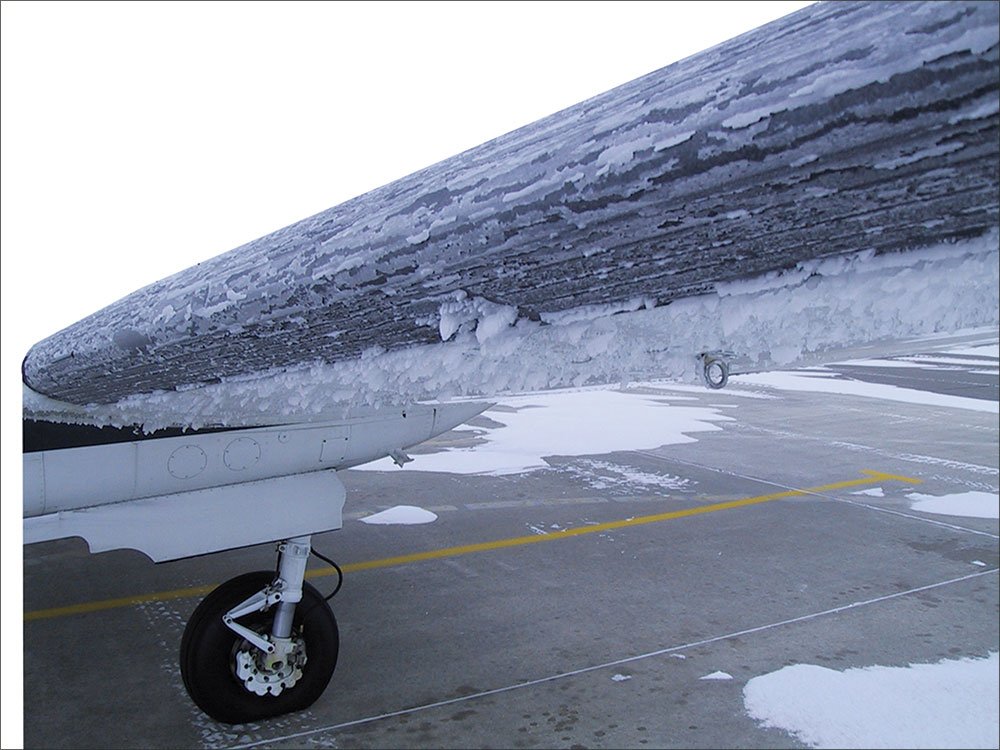
Transitioning to your first aircraft that has ice protection equipment beyond a heated pitot tube is a big step for a pilot. Having a full complement of ice protection usually gives pilots warm fuzzy feelings about being able to complete more trips and handle any ice related problems that arise. Unfortunately, the current regulations and guidance addressing icing can be just as complex as dealing with the nuances of in-flight icing encounters.
Icing certification standards have evolved significantly, making regulations complex, especially for older aircraft which may lack modern "Flight Into Known Icing" (FIKI) certification and face restrictions.
An aircraft's ability to handle ice varies based on design factors like power-to-weight ratio; pilots must understand their specific aircraft's limitations and leverage weather tools for safe flight planning.
FIKI certification is not a blanket authorization for all icing conditions, covering only specific types and durations of encounters, therefore pilot education, respect for limitations, and common sense are paramount for safety.
Transitioning to your first aircraft that has ice protection equipment beyond a heated pitot tube is a big step for a pilot. Having a full complement of ice protection usually gives pilots warm fuzzy feelings about being able to complete more trips and handle any ice related problems that arise.
CREATE A FREE ACCOUNT
Sign up to keep reading
Create a free account to continue. Already a member? Sign in below.