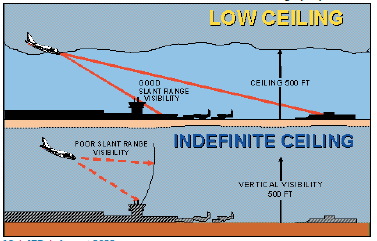
AC 0045 explains how an indefinite ceiling can restrict visibility much more than a ceiling of the same value.
Key Takeaways:
Low vertical visibility (VV), even with seemingly adequate horizontal visibility, poses a critical hazard for IFR departures by effectively creating zero visibility during climbout.
Part 91 pilots must proactively manage the increased risks of IFR departures in marginal conditions by adhering to personal minimums, utilizing Obstacle Departure Procedures (ODPs), and considering return-to-field options.
Thorough pre-takeoff briefings—covering abort points, engine failure procedures, and instrument scan—are crucial for safe execution, and delaying for proper assessment and planning ultimately enhances safety.
If you’ve ever faced a go/no-go decision with tantalizing blue sky above a low layer of fog, you know that departing IFR is an option—with a few “ifs.” If the obstacle-departure procedures are okay; if conditions meet personal minimums and comfort, and if you’ve considered what you might have overlooked when in a hurry to get in the air.
Dawn Patrol
CREATE A FREE ACCOUNT
Sign up to keep reading
Create a free account to continue. Already a member? Sign in below.