











Any instrument-rated pilot should know, as a double-I we knew well would stress, “While youre flying straight and level is a good time to get set up for the approach.” Sage advice, but that was back in the days when pilots of most personal airplanes considered themselves fortunate to have a working DME. Moving maps hadnt been invented and the first GPS satellite had yet to be launched. As long as we had current plates-which was most of the time-and a record of a VOR 288
Is This Approach Legal?
Any instrument-rated pilot should know, as a double-I we knew well would stress, "While youre flying straight and level is a good time to get set up for the approach." Sage advice, but that was back in the days when pilots of most personal airplanes considered themselves fortunate to have a working DME. Moving maps hadnt been invented and the first GPS satellite had yet to be launched. As long as we had current plates-which was most of the time-and a record of a VOR check having been performed in the preceding 30 days, we were good to shoot almost any approach this side of a CAT IIIa ILS, including the then-feared-but-now-rare NDB procedure.
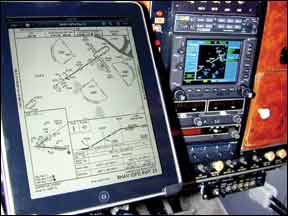

Key Takeaways:
- Modern GPS/WAAS navigation, while offering improved utility and accuracy, introduces significant complexity for pilots, requiring familiarity with terms like RAIM and WAAS, and diligent management of database cycles.
- Pilots must regularly update navigation databases (every 28 days). While an expired database often restricts use, some Aircraft Flight Manual Supplements (AFMS) may permit using specific, verified approach data within an expired database, necessitating careful review of aircraft documentation.
- Rules for using GPS when planning alternate airports vary by system type: non-WAAS GPS can substitute for DME with specific considerations, while WAAS-certified GPS can be used for alternate planning (without vertical guidance planning) under certain conditions, such as the absence of "alternate minimums not authorized" symbology.
- The advanced capabilities of modern aviation technology place increased responsibility on pilots to thoroughly understand their specific GPS navigators, installation details, and the associated regulatory complexities.
Key takeaways sponsored by Aviator Pro | Start Your Training ->
See a mistake? Contact us.

