













Register

Improving the NAS

See what change looks like, where you can identify safety gaps in the National Airspace System, and how to make change.

Gemini Sparkle

Key Takeaways:

  • Pilots and air traffic controllers often have critical knowledge gaps due to separate training, despite sharing the common goal of aviation safety, which can lead to unsafe operational procedures.
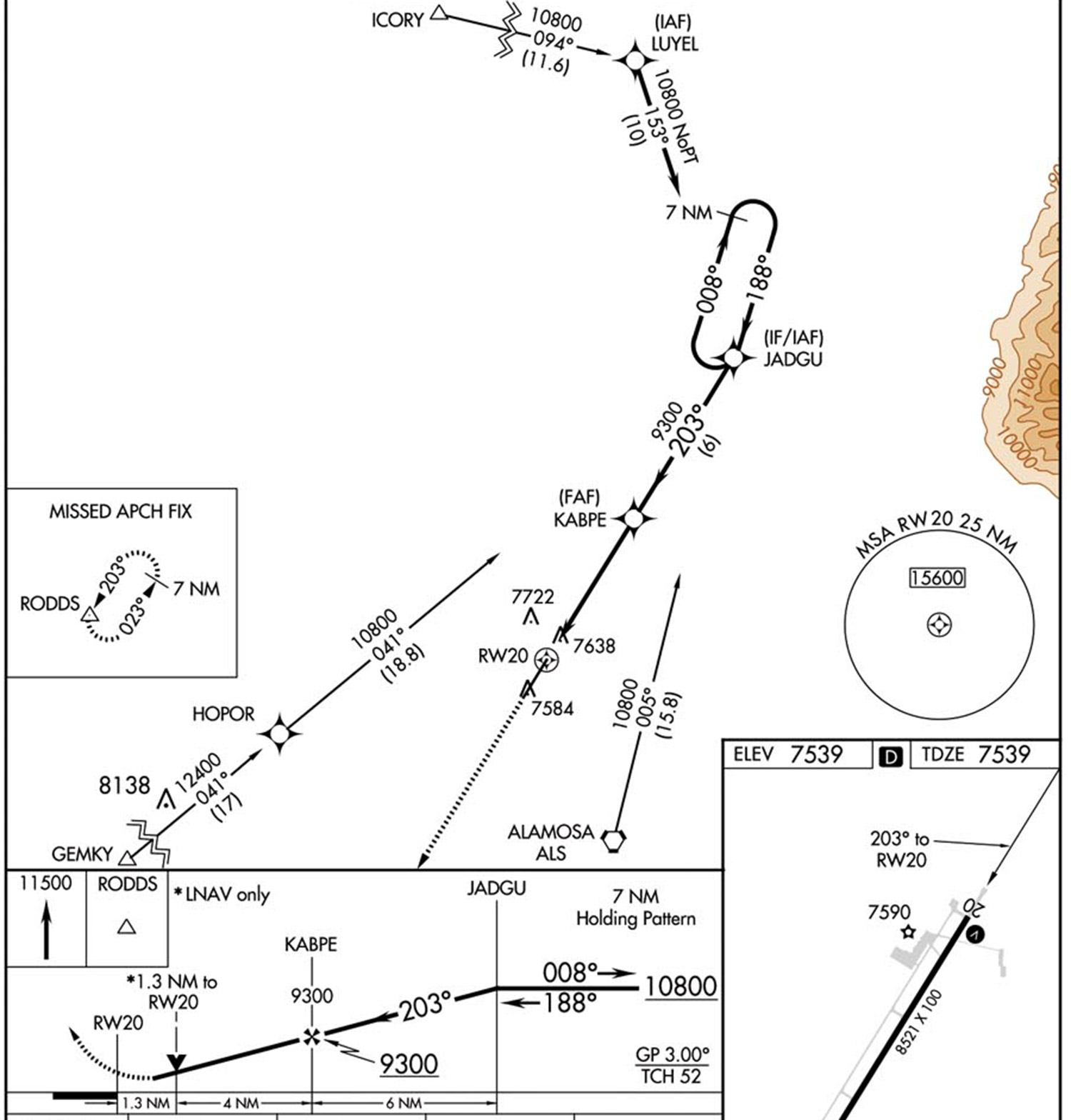
  • A historical example involving unsafe air traffic clearances for HILPTs due to un-charted maximum holding altitudes highlighted a significant safety risk, which was successfully resolved through collaborative advocacy for charting changes.
  • Aviation professionals are encouraged to be vigilant, continuously expand their knowledge, and actively contribute to improving the National Airspace System's safety and procedures through avenues like the Aeronautical Charting Meeting (ACM) or by petitioning the FAA.
See a mistake? Contact us.

Recognizing where operations and procedures fail to provide adequate safety is the first step in making positive changes in the National Airspace System. Pilots and controllers stand on the front lines, so it’s up to us to be vigilant about safety lapses and take steps to improve our system.

Our Role in Change

Let’s look at a unique example from the past that aviation professionals identified. But before we get into the process of change, it’s important to consider our limitations—more specifically, the limitations of our knowledge. In the vast and complex world of aviation, pilots and air traffic controllers alike go through rigorous training to give us the knowledge and understanding needed to function safely within the system.


Ready to Sell Your Aircraft?

List your airplane on AircraftForSale.com and reach qualified buyers.

List Your Aircraft
AircraftForSale Logo | FLYING Logo
Pilot in aircraft
Sign-up for newsletters & special offers!

Get the latest stories & special offers delivered directly to your inbox.

SUBSCRIBE