











Separation Standards
ATC rule #1: Don’t hit nuthin’. But to achieve that, there are rules and standards. Here’s a quick rundown on those so you can better understand what the controller needs.

ATC rule #1: Don’t hit nuthin’. But to achieve that, there are rules and standards. Here’s a quick rundown on those so you can better understand what the controller needs.
One of the most feared calls a pilot can receive is, “Possible pilot deviation. Advise you contact [facility] at [phone number].” Now what?
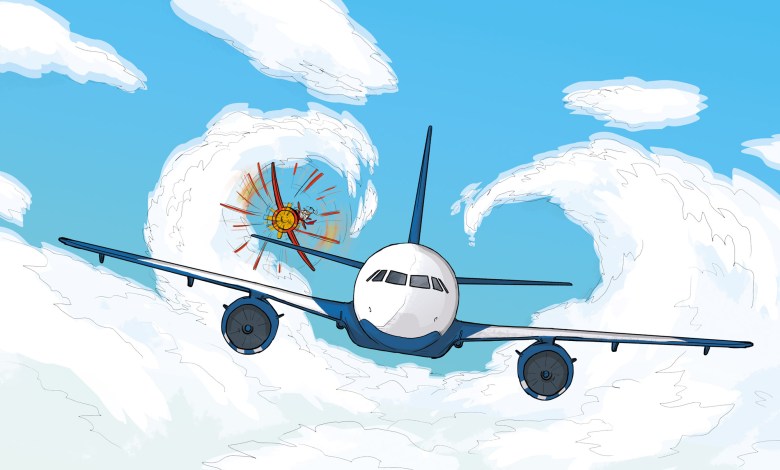
Ever heard “Caution wake turbulence. Following a heavy,” and wonder if the controller is giving you enough space? How much space do you really need?
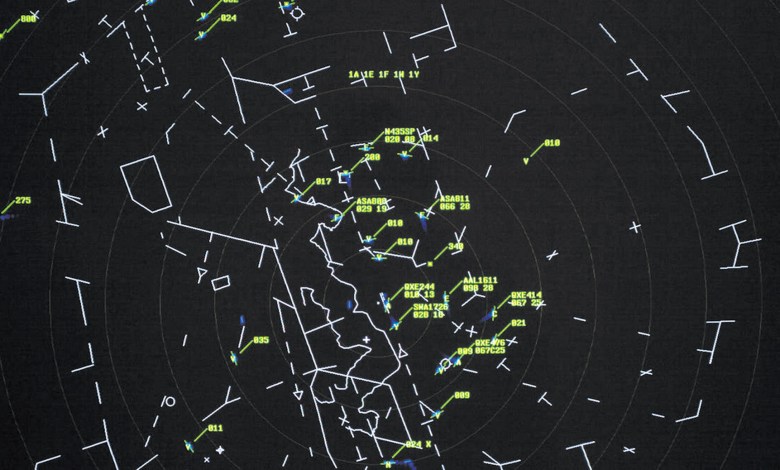
You’re stuck on the ramp waiting to go, many planes ahead of you, arrivals holding and waiting on departures, departures waiting on arrivals. Whassupwidat?
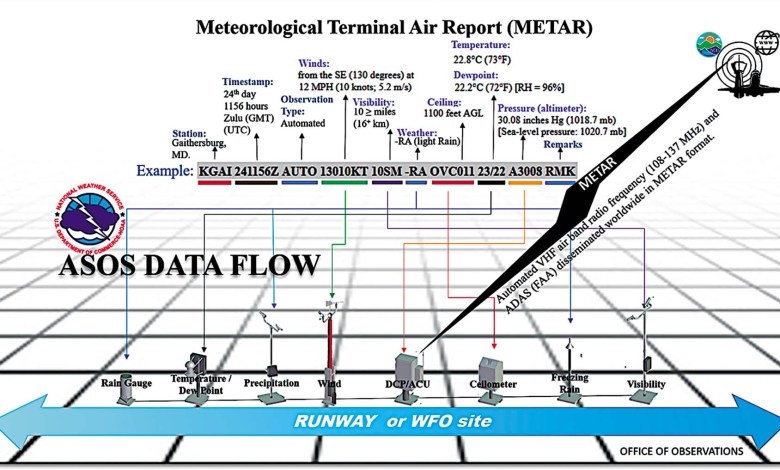
Pilots always listen to the ATIS, right? And how does ATC get that information it records for the ATIS. And while we’re at it, how do AWOS and ASOS differ?
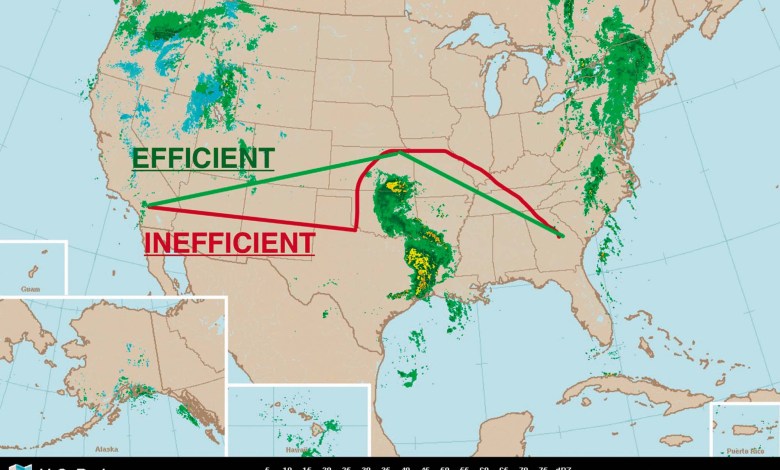
Thunderstorm avoidance is important to pilots, sure, but did you know that it’s also a critical activity for air traffic controllers?
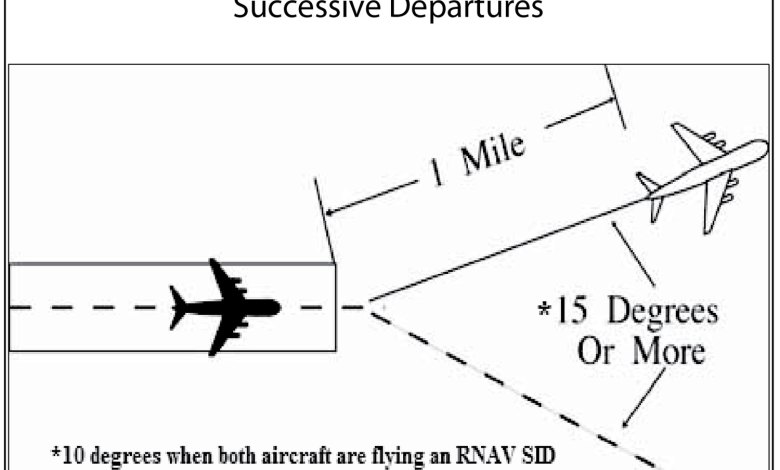
Ever wondered why some airplanes take off one right after another and you’re still sitting there thinking, “What the heck?” Don’t worry. You (probably) weren’t forgotten.

The last thing you want to hear from ATC is “Traffic!” or “Terrain!”, but it can happen when you least expect it. So be ready, know what to expect … and how ATC can help.
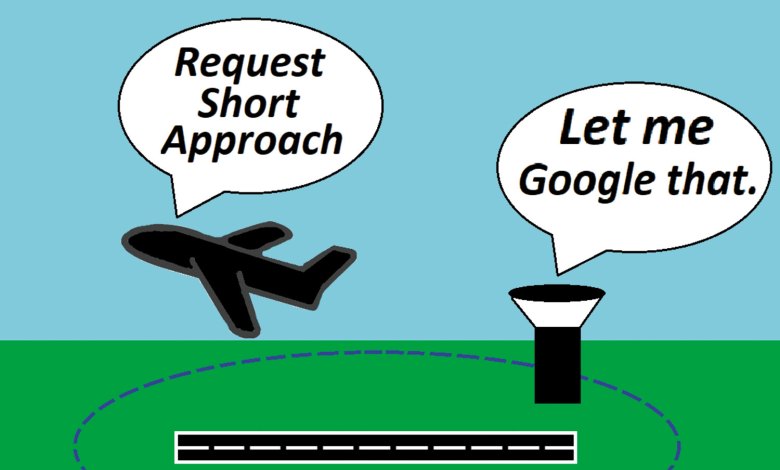
Have you ever yelled at a controller on frequency? Or, have you been yelled at by ATC? Do you think it was warranted? How did you handle it after that?

In 32 of the last 35 years we have seen aircraft hijackings. How does our Air Traffic Control System combat these and other security threats?

Get the latest stories & special offers delivered directly to your inbox.
SUBSCRIBE