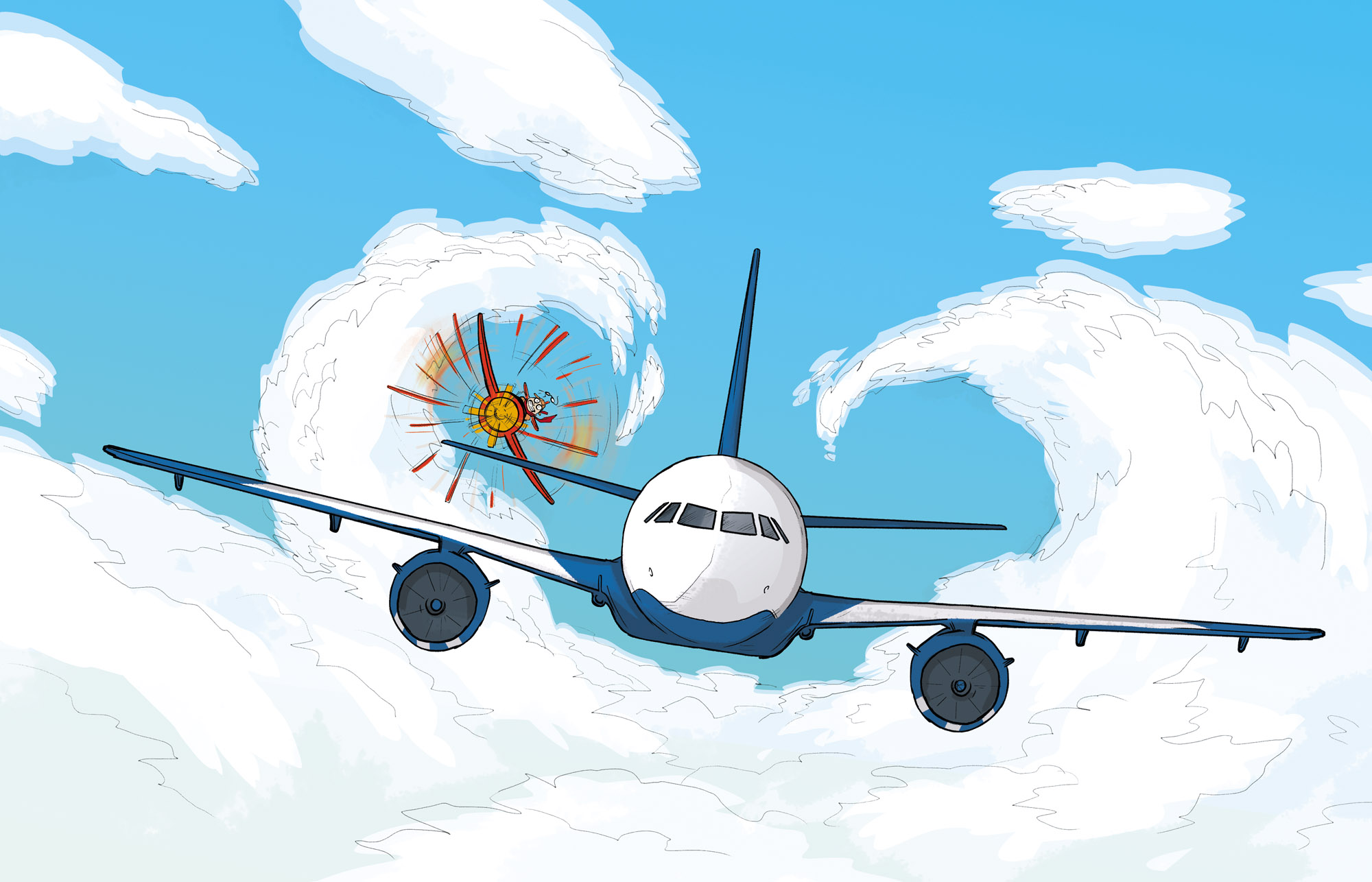
Wake turbulence, created by wingtip vortices and intensified by heavy, slow aircraft, is a significant aviation hazard requiring pilots to employ specific avoidance techniques like staying above and upwind.
Air Traffic Control (ATC) enforces mandated separation based on aircraft weight classes (Small, Large, Heavy, Super), with specific time delays for departures (e.g., 2-3 minutes) and distance minima for IFR arrivals (e.g., 4-6 miles).
Ultimately, the Pilot-in-Command (PIC) is responsible for the safe operation of their aircraft and should prioritize safety by requesting additional spacing or declining clearances if uncomfortable with potential wake turbulence, regardless of ATC minimums.
Like most things in aviation, prescribed clearance behind a heavier aircraft to avoid the dangers of wake turbulence is mandated. In this case, it’s guidance for air traffic controllers operating in a terminal environment. These guidelines are designed to minimize the likelihood of mishaps both on takeoff and on landing.
CREATE A FREE ACCOUNT
Sign up to keep reading
Create a free account to continue. Already a member? Sign in below.