













Register

Separation Standards

ATC rule #1: Don’t hit nuthin’. But to achieve that, there are rules and standards. Here’s a quick rundown on those so you can better understand what the controller needs.

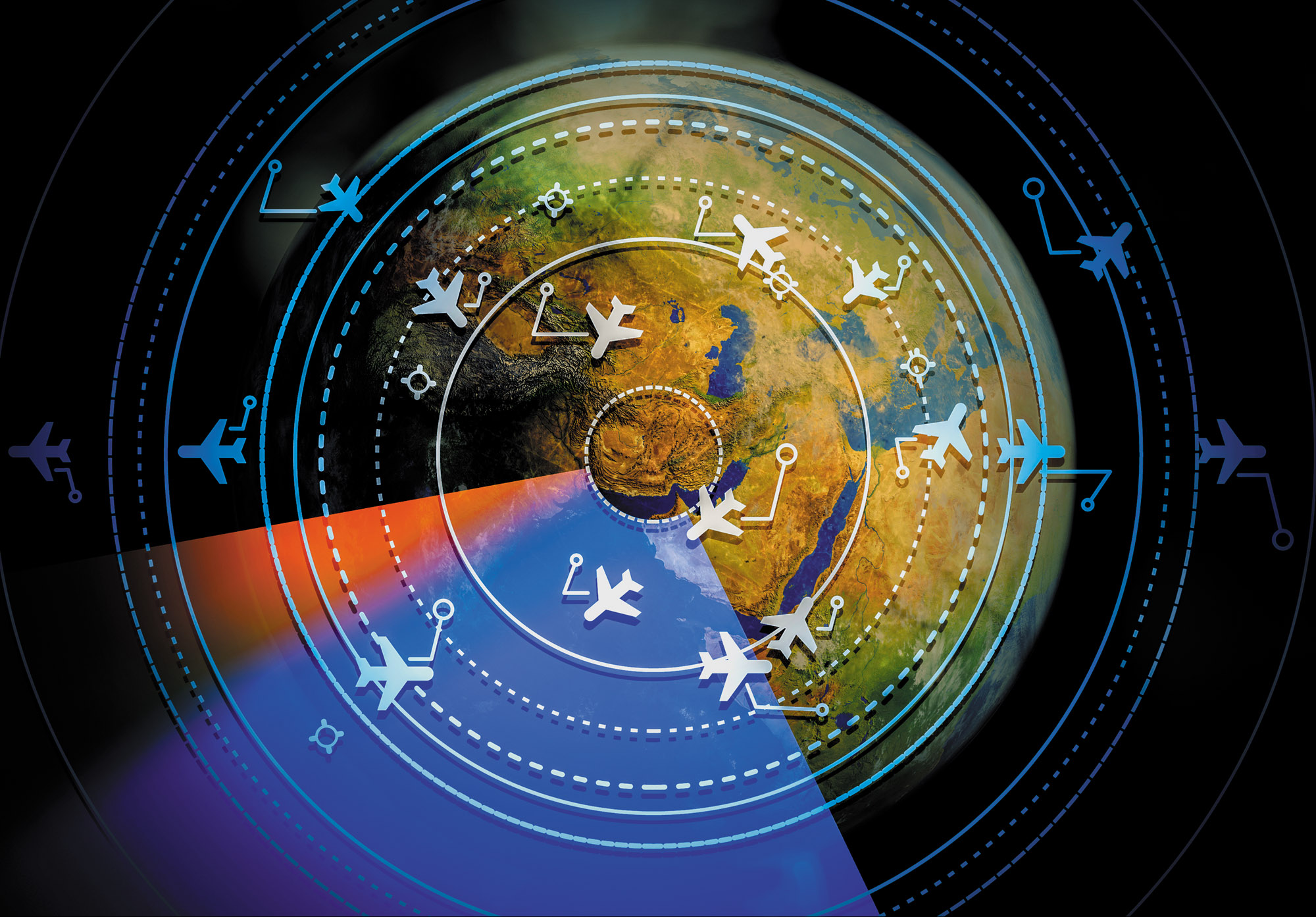
Simulated screen showing different flights for transport and passengers with the world as a background
Gemini Sparkle

Key Takeaways:

  • Air Traffic Control (ATC) prioritizes aircraft safety by continuously ensuring separation from other aircraft, terrain, and obstacles, a mandate strictly governed by FAA Order 7110.65.
  • ATC relies on various radar systems—including primary, secondary (transponder-based), ADS-B, and Wide Area Multilateration (WAM)—for surveillance, with ongoing modernization efforts planned to upgrade aging infrastructure.
  • Radar separation standards, such as 3-5 miles lateral and 1000 feet vertical, vary based on the ATC facility (e.g., TRACON vs. En-route) and radar data quality, and require controllers to first identify aircraft using methods like discrete beacon codes.
See a mistake? Contact us.

Keeping you safe is a big deal for us—the biggest. Air Traffic Control exists to separate aircraft from each other, from terrain, and from obstacles. We work from dawn to dawn, 24/7, 365 days a year, watching the skies and making decisions that protect you in our National Airspace System (NAS). 

We have tools and rules to accomplish this? That control is based on many factors, including radar procedures, non-radar procedures, rules and regulations, plus a strong infrastructure that supports each of these techniques.


Ready to Sell Your Aircraft?

List your airplane on AircraftForSale.com and reach qualified buyers.

List Your Aircraft
AircraftForSale Logo | FLYING Logo
Pilot in aircraft
Sign-up for newsletters & special offers!

Get the latest stories & special offers delivered directly to your inbox.

SUBSCRIBE